


Thursday delivered one of the most revealing market reactions of the week: the U.S. dollar weakened despite economic data that would normally have strengthened it.
September producer prices rose by the most in approximately four and a half years, while retail sales exceeded expectations. These releases reinforced the message from Wednesday’s CPI report that U.S. inflation remained persistent and domestic demand had not weakened sufficiently to eliminate the possibility of further Federal Reserve tightening.
Yet Treasury yields declined, and the dollar retreated from its 18-month peak.
The dollar index slipped toward 102.03, while EUR/USD recovered approximately 0.5% to 1.1216 and GBP/USD strengthened toward 1.3253.
The unusual reaction reflected changing concerns about U.S. financial markets.
Investors were becoming increasingly nervous about the amount of debt used to finance the artificial intelligence infrastructure boom. Data-center developers and cloud-computing companies had borrowed heavily to fund enormous capital expenditure programs, creating concerns about whether future revenue would justify their investment commitments.
As those concerns intensified, investors reduced exposure to riskier assets and bought U.S. Treasuries.
That safe-haven demand pushed bond prices higher and yields lower, undermining one of the dollar’s most important sources of support.
Federal Reserve commentary added to the reversal. Officials indicated that there was no urgent need to tighten policy further, despite the recent inflation surprises.
The session therefore illustrated an important distinction between economic data and financial-market reactions. Strong inflation does not necessarily produce a stronger dollar if investors simultaneously become more concerned about financial stability and future growth.
EUR/USD
Technical Analysis:
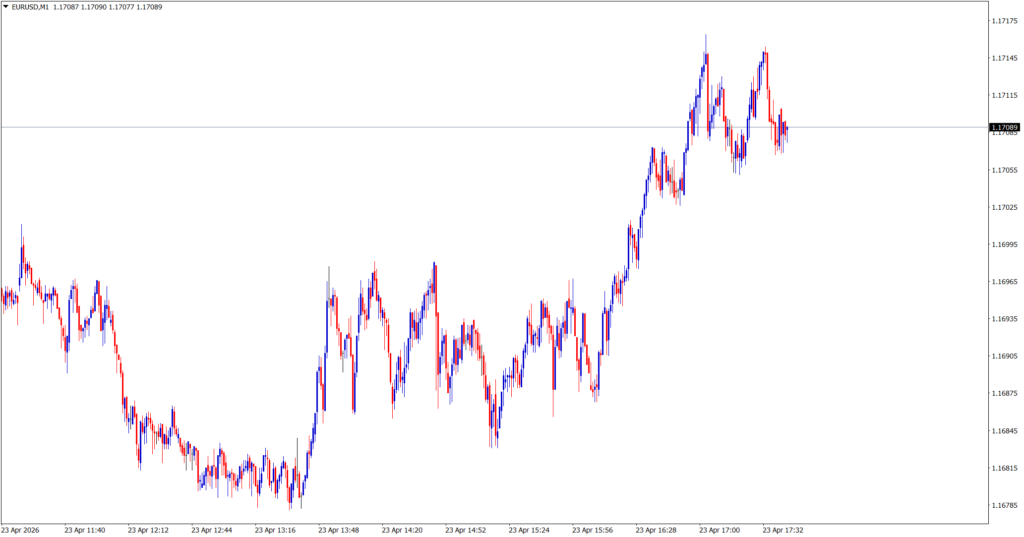
EUR/USD rebounded toward 1.1216, recovering from an 18-month low.
The recovery was technically important because it interrupted a persistent sequence of declines.
The move appeared consistent with short covering as traders reduced dollar exposure following the drop in Treasury yields.
However, the broader trend remained fragile.
The 1.12 area was becoming an immediate pivot, while resistance around 1.1250–1.13 represented the next region that buyers would need to reclaim to establish a more convincing recovery.
Fundamental Analysis:
The euro benefited from falling U.S. yields and reduced expectations for an immediate Fed increase.
However, the underlying eurozone picture remained challenging.
France’s fiscal uncertainty continued undermining confidence in European government bonds, while high energy prices threatened growth.
The ECB’s monetary-policy outlook also remained complicated. Additional tightening could support the euro through interest-rate differentials, but it could also worsen economic conditions in already vulnerable economies.
Thursday’s EUR/USD advance therefore reflected a weakening dollar more than a sudden improvement in euro fundamentals.
GBP/USD
Technical Analysis:
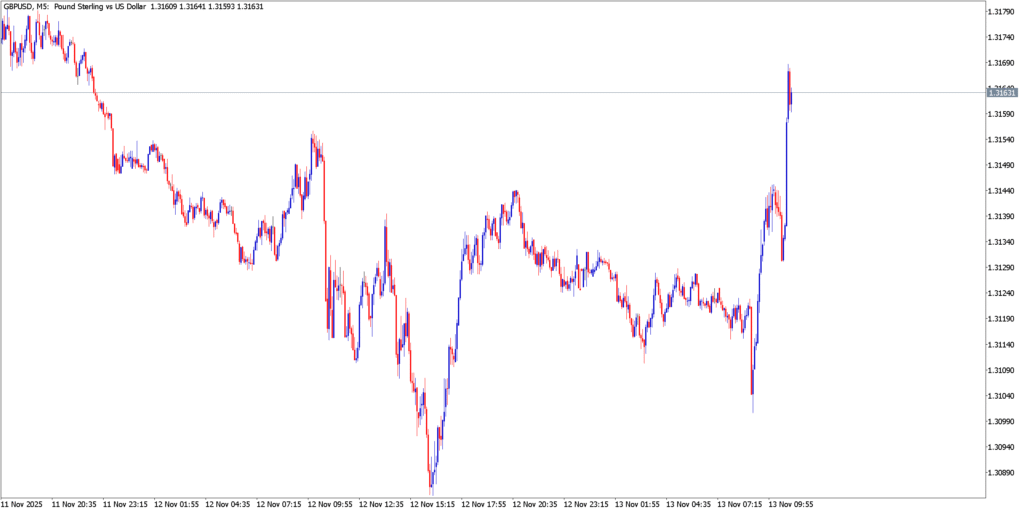
GBP/USD recovered approximately 0.5% to 1.3253, reversing part of its earlier decline.
Technically, the move helped stabilize sterling after the pair approached a 13-month low.
The recovery above 1.32 was encouraging, but the pair still needed to establish sustained trading above 1.33 to strengthen the bullish case.
Fundamental Analysis:
Sterling received support from UK economic data showing that output unexpectedly grew 0.1% in August.
Although the expansion was modest, it was important because it suggested the British economy remained capable of growing despite elevated borrowing costs and expensive energy.
The data also supported expectations that the Bank of England could raise interest rates without immediately pushing the economy into contraction.
Combined with falling U.S. yields, this helped GBP/USD recover.
Nevertheless, the forthcoming UK budget remained a significant source of uncertainty.
USD/JPY
Technical Analysis:
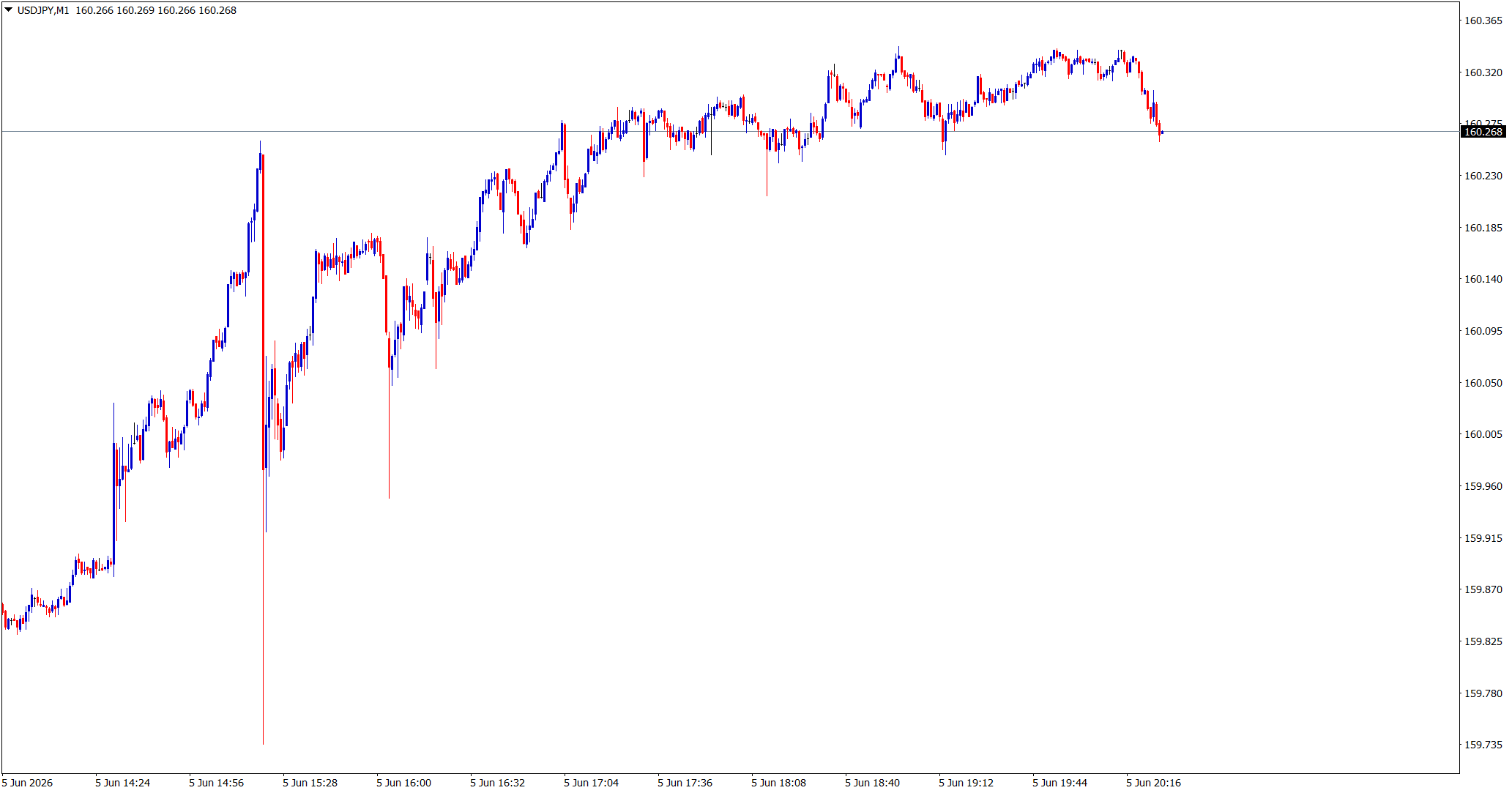
USD/JPY faced renewed downside pressure as U.S. Treasury yields declined.
The pair remained close to the upper-150s but showed less upward momentum than it had immediately following Wednesday’s CPI report.
The 158 area remained a near-term pivot, with deeper support in the mid-150s.
Fundamental Analysis:
The yen benefited from two developments.
First, lower U.S. Treasury yields reduced the relative attraction of dollar-denominated assets.
Second, concerns about AI-related financial risks encouraged investors to reassess leveraged positions, potentially increasing demand for yen as a funding currency.
This was particularly important because the yen can strengthen during risk-off episodes even when Japan’s own economic outlook is not improving.
The Fed’s cautious tone further reduced the dollar’s relative monetary-policy advantage.
Market Outlook
October 15 demonstrated that the dollar’s upward momentum was becoming vulnerable.
Despite strong inflation and spending data, lower Treasury yields and AI-related financial concerns prevented another sustained dollar rally.
EUR/USD and GBP/USD recovered, while USD/JPY became more sensitive to the decline in U.S. yields.
The next major catalyst was Federal Reserve Chair Kevin Warsh’s remarks at the IMF meetings, which would help determine whether the market should continue expecting another rate increase before year-end.