


Yes, in most countries you must be at least 18 years old to legally trade stocks on your own because opening a brokerage account requires signing a binding financial contract. However, minors can invest legally through a custodial account managed by a parent or legal guardian.
Key Takeaways
- The legal age to independently trade stocks is typically 18.
- Minors can’t open brokerage accounts alone.
- Custodial accounts allow supervised investing under a guardian.
- Brokers require identity verification (KYC) to confirm age.
- Forex and CFD trading platforms follow similar 18+ requirements.
Why Do You Have to Be 18 to Trade Stocks?
You generally have to be 18 to trade stocks because opening a brokerage account involves entering into a legally binding financial contract. In most countries, individuals under 18 are considered minors and cannot independently sign enforceable contracts. Since trading stocks involves risk, financial liability, and regulatory obligations, brokers must ensure account holders are legally capable of accepting those responsibilities.
When you open a trading account, you agree to terms related to:
- Market risk acknowledgment
- Margin or leveraged trading risks
- Tax reporting responsibilities
- Anti-money laundering (AML) compliance
- Identity verification (Know Your Customer – KYC)
Because these agreements carry legal and financial consequences, brokers are required to verify that you are at least 18 years old before activating an account.
In addition, financial regulators impose strict compliance rules to prevent fraud, identity misuse, and financial exploitation of minors. Age verification is part of these mandatory regulatory protections.
Can You Trade Stocks Under 18 Legally?

Yes, you can invest in stocks under 18 but not independently. The legal way for minors to participate in the stock market is through a custodial brokerage account opened and managed by a parent or legal guardian.
In a custodial account, the adult opens the account on behalf of the minor and controls all trading decisions until the child reaches the age of majority (usually 18 or 21, depending on the country and account type). The assets legally belong to the minor, but the guardian oversees management and assumes responsibility.
These accounts are commonly structured under frameworks such as:
- Uniform Transfers to Minors Act (UTMA)
- Uniform Gifts to Minors Act (UGMA)
While these terms are primarily used in the United States, many countries offer similar guardian-supervised investment structures.
It’s important to understand that minors still cannot:
- Open a brokerage account alone
- Trade using margin or high-risk leveraged products
- Legally sign broker agreements
If you are under 18, the safest path is to involve a parent or guardian and explore custodial investing options.
What Happens If You Try to Trade Stocks Under 18?
If you attempt to trade stocks under 18 without a custodial account, most brokers will block or close your account once your age is verified. Because all legitimate platforms require identity verification (KYC), false information is usually detected during document checks or withdrawal requests.
When a broker discovers that a minor opened an account independently, the consequences can include:
- Immediate account suspension
- Frozen funds until identity issues are resolved
- Permanent account bans
- Rejection of withdrawal requests until proper verification
In some cases, providing false age details may also violate the platform’s terms of service, which can legally void the agreement. Since minors cannot enter binding financial contracts, the broker has the right to terminate the account.
Additionally, attempting to use someone else’s identity including a parent’s credentials may raise fraud concerns and result in stricter consequences.
The safest approach is always to wait until you turn 18 or open a properly structured custodial account with a guardian.
Minimum Age to Trade Stocks by Country
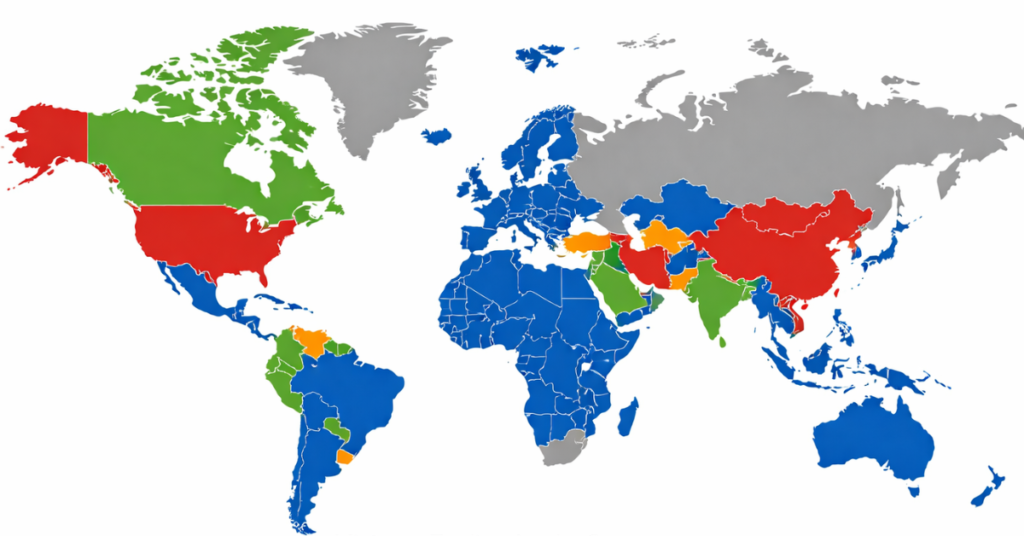
The legal age to trade stocks independently varies slightly across countries, but 18 is the standard minimum in most jurisdictions. Understanding country-specific rules helps minors and new investors plan responsibly and ensures compliance with brokerage regulations.
| Country | Minimum Age | Notes |
| United States | 18 | Minors can invest via UTMA/UGMA custodial accounts. |
| United Kingdom | 18 | Accounts for under 18 require a guardian-managed Junior ISA. |
| Canada | 18 (19 in some provinces) | Custodial accounts allow supervised investing. |
| Australia | 18 | Minors cannot hold brokerage accounts; parents/guardians must manage investments. |
| Singapore | 18 | Minor investing requires a legal guardian account. |
Can You Trade Forex or CFDs Under 18?
Just like stocks, you can’t trade Forex or CFDs independently if you are under 18. Most brokers require legal adulthood because leveraged trading involves high financial risk and binding contracts. Platforms offering CFDs and margin trading need account holders to be legally responsible for potential losses.
- Minors must use a custodial account if available (rare for Forex/CFDs).
- Leverage amplifies both profits and losses, so regulators enforce strict age requirements to protect young investors.
High Leverage Options: Up to 1:2000 leverage for flexible trading.
No Commissions or Swap Fees: Low spreads starting from 0.3 pips.
Global Reach: Available for clients worldwide with multi-language support.
Fast Support and Withdrawals: Completed within 4 business hours, including weekends.
How to Start Investing Legally at 18
Once you turn 18, you can open a brokerage or trading account on your own. Starting legally ensures compliance with regulations and protects your funds while giving you access to a full range of trading opportunities, including stocks, Forex, CFDs, and cryptocurrencies.
Here’s a step-by-step approach:
- Choose a Regulated Broker: Select a broker that is legally compliant and offers robust trading tools. For example, Defcofx provides global access, high leverage up to 1:2000, and low spreads starting from 0.3 pips, making it suitable for new adult traders.
- Complete Identity Verification (KYC): Provide government-issued ID and proof of residence to comply with anti-money laundering and regulatory requirements.
- Fund Your Account: Deposit money through secure payment methods. With Defcofx, withdrawals are processed in 4 hours even on weekends, giving you fast access to your funds.
- Start Trading Responsibly: Begin with small trades, learn risk management, and gradually increase exposure. Remember, high leverage can amplify both profits and losses.
Why Age Verification Matters in Online Trading
Age verification is a critical step in online trading because it protects both the trader and the broker. Financial markets operate under strict legal and regulatory frameworks. Brokers must comply with Know Your Customer (KYC) and Anti-Money Laundering (AML) regulations to ensure that only legally eligible individuals can open trading accounts.
This process confirms that the trader meets the minimum legal age requirement, usually 18 years or older. Reaching this age is essential because trading involves entering legally binding contracts, which are required for stocks, Forex, CFDs, and other financial instruments.
1. Legal Compliance and Contractual Responsibility
Age verification ensures that traders:
- Are legally allowed to enter binding financial contracts
- Understand the terms and conditions of their trading account
- Accept responsibility for financial decisions
- Comply with applicable tax regulations
Without proper age verification, brokers risk violating financial laws and facing serious regulatory penalties.
2. Protection Against High-Risk Exposure
Online trading often involves complex and high-risk products. For example:
- Leverage can significantly amplify both profits and losses
- CFDs and Forex trading carry substantial market risk
- Rapid price fluctuations can lead to large financial losses
Minors may not fully understand the financial, legal, or psychological consequences of these risks. By enforcing age restrictions, brokers help ensure that only individuals capable of making informed financial decisions participate in these markets.
3. Fraud Prevention and Identity Protection
Age verification also plays an important role in preventing fraud and identity misuse. It helps ensure that:
- The account holder is the rightful owner of the identity provided
- No one is using false information to bypass restrictions
- Unauthorized individuals cannot access or operate the account
If a broker detects irregularities, such as mismatched identity documents or false age information, they are legally required to investigate. This may result in:
- Freezing of funds until proper verification is completed
- Temporary account suspension
- Account closure
What Teens Can Do Before Turning 18
Just because teens can’t legally trade yet doesn’t mean they have to sit on the sidelines. In fact, the years before turning 18 can be the perfect time to build a strong financial foundation, without risking real money. The earlier someone understands how markets work, the more confident and prepared they’ll be when they’re legally allowed to invest.
Here’s how teens can get ahead before they ever place their first real trade:
1. Practice with Stock Market Simulators
Think of simulators as a “training ground” for future investors.
Virtual trading platforms allow teens to:
- Buy and sell stocks with fake money
- Practice market orders and limit orders
- Learn how diversification works
- Build and manage a virtual portfolio
The biggest advantage? Mistakes become lessons, not financial losses. Teens can experience market volatility, track performance, and understand how decisions impact results, all in a risk-free environment.
2. Learn the Fundamentals of Investing
Knowledge is the real early advantage.
Teens can start by exploring:
- Beginner-friendly investing books
- Online finance courses
- Educational YouTube channels and podcasts
- Articles about market trends and economic news
Understanding core concepts like compound interest, risk management, inflation, diversification, and leverage builds the mindset needed for responsible investing. When they turn 18, they won’t be guessing, they’ll be making informed decisions.
3. Open a Custodial Account (With Supervision)
If teens already have savings, a custodial account can be a powerful learning tool.
With a parent or legal guardian managing the account, teens can:
- Invest in stocks, ETFs, or mutual funds
- Monitor real market performance
- Learn how long-term investing works
- Make decisions with guidance and feedback
This provides real-world exposure while maintaining adult oversight — combining responsibility with protection.
4. Build Strong Financial Habits
Before trading comes discipline.
Teens who focus on building smart money habits gain a long-term edge. This includes:
- Creating a basic budget
- Setting savings goals
- Tracking spending
- Understanding delayed gratification
- Thinking long-term instead of chasing quick gains
Trading success isn’t just about market knowledge — it’s about emotional control and financial discipline. Developing these habits early makes a huge difference later.
The Hidden Advantage of Starting Early
Teens who begin learning before 18 enter adulthood with something incredibly valuable: confidence and clarity. By the time they’re legally allowed to trade, they won’t be beginners, they’ll be prepared.
The key isn’t starting with money.
The key is starting with knowledge.
Final Thoughts on Do You Have to Be 18 to Trade Stocks?
In summary, you must be at least 18 years old to trade stocks, Forex, or CFDs independently because opening a brokerage account requires legally binding contracts and regulatory compliance. Minors can still invest through custodial accounts managed by a parent or guardian, allowing them to gain experience safely until they reach adulthood.
Understanding age requirements, verifying identity, and preparing with financial education are essential steps for responsible trading. Once you turn 18, you can open a regulated broker account, access leveraged products responsibly, and manage your own portfolio.
Platforms like Defcofx provide an ideal environment for new adult traders, offering high leverage up to 1:2000, low spreads starting from 0.3 pips with no commissions, global access, fast withdrawals within 4 business hours, and a 40% welcome bonus for first-time deposits.
Open a Live Trading AccountFAQs
No, minors under 18 cannot independently open a brokerage account. However, they can invest through a custodial account managed by a parent or legal guardian.
No, trading Forex or CFDs also requires legal adulthood (usually 18+). Minors cannot enter binding trading contracts due to regulatory restrictions.
Yes, attempting to trade without proper supervision or using false information violates brokerage policies and can lead to account suspension or frozen funds.
Yes, a custodial account allows a parent or guardian to manage investments on behalf of a minor until they reach legal age.
A custodial account is a legal structure that lets a parent or guardian manage investments for a minor. The minor owns the assets, but the adult manages trades and compliance until the child reaches adulthood.
Yes, all reputable brokers perform KYC verification to confirm identity and age before allowing trading. This protects minors and ensures legal compliance.
Yes, once you reach the legal age of 18, you can independently open a brokerage or trading account, access leveraged products, and participate fully in markets. Platforms like Defcofx offer global access, high leverage, low spreads, and fast withdrawals for adult traders.
Discover More Forex Guides With Defcofx
- Can I Trade With $1 on MetaTrader 5?
- What Does It Mean to Short the Market?
- What is an Expert Advisor | Automated Trading Guide
- Pairs Trading – Market-Neutral Stock & Forex Guide
- How to Read Stock Candlesticks?
- How Many Countries Use Dollars?
- Can I Trade Gold With $100?
- What Country has the Best Exchange rate for USD?