


Friday closed a shortened U.S. holiday week with the dollar under pressure and on track for its largest weekly decline since April. Markets continued digesting Thursday’s weaker-than-expected U.S. jobs report, which showed only 57,000 jobs added in June and downward revisions to previous months. Reuters reported that the dollar index was down 0.5% for the week to 100.83, while the euro rose to $1.1440, the pound gained 1.1% on the week to $1.3352, and the yen strengthened from a 40-year low to around 161.25 per dollar.
The key macro shift was the collapse in near-term Fed-hike conviction. After markets had priced aggressive Fed risk earlier in the week, the softer jobs data reduced expectations for imminent tightening. By Friday, the probability of a September hike had fallen to around 45%, compared with much higher levels earlier in the week.
Global equities benefited. Reuters reported that world stocks were heading for their best weekly performance in two months, while European shares hit fresh record highs as investors welcomed the idea that the Fed may not need to hike as aggressively.
However, USD/JPY remained a special case. Japan kept intervention threats alive, with Finance Minister Satsuki Katayama saying authorities were ready to respond and were in close contact with U.S. officials. Reuters also noted the yen’s weakness had increased import costs and contributed to rising bankruptcies in Japan.
This left Friday’s FX market with a clear divide: the dollar weakened broadly as Fed-hike bets faded, but the yen remained structurally fragile despite its rebound.
EUR/USD
Technical Analysis
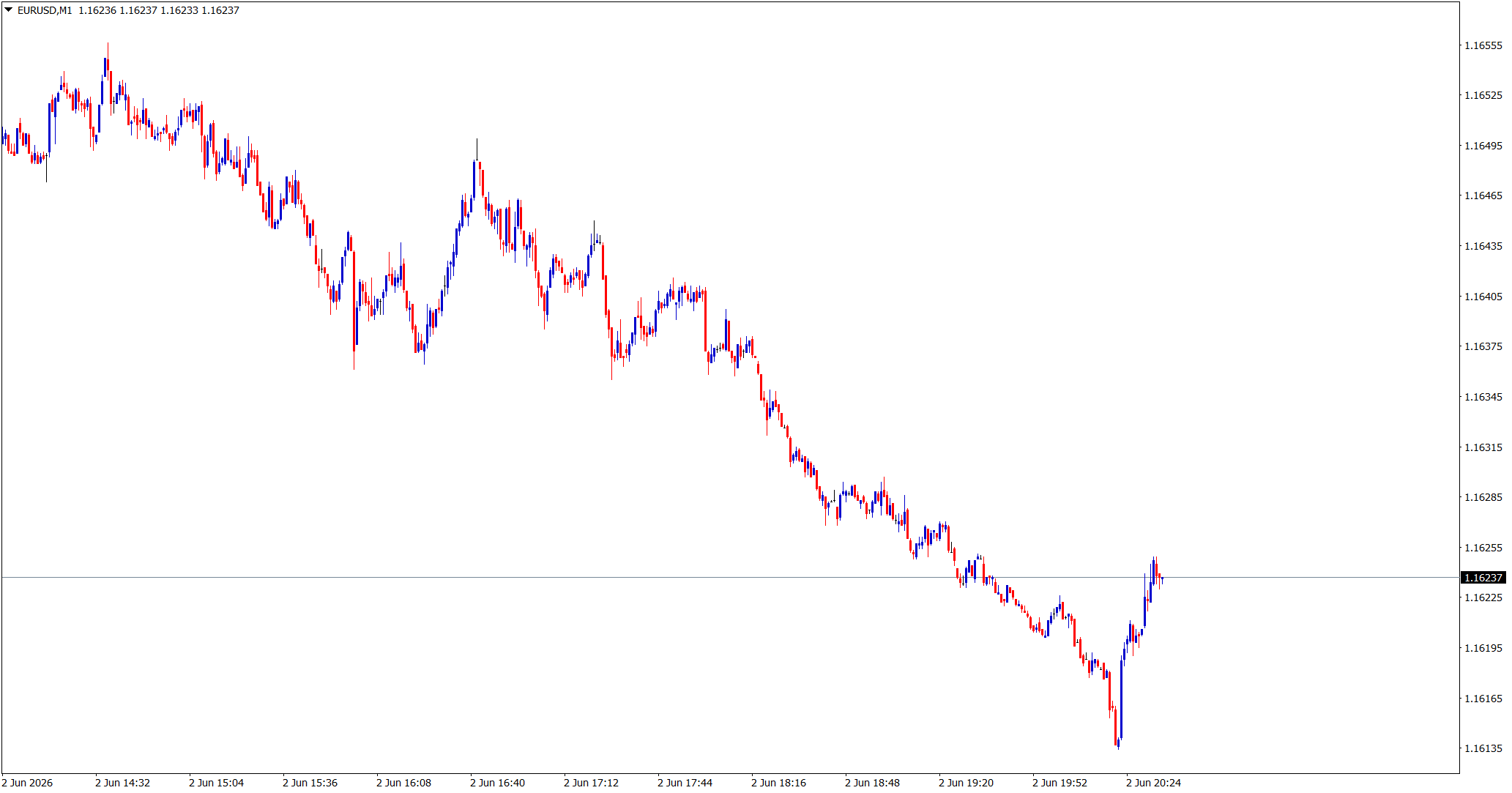
EUR/USD extended Thursday’s rebound and traded near two-week highs. The pair’s move back toward $1.1440 improved the short-term structure and confirmed that the earlier breakdown below $1.14 had failed to hold.
Technically, this was a meaningful recovery. The pair had been under pressure after softer eurozone inflation and strong dollar momentum, but the U.S. jobs report changed the setup. EUR/USD reclaimed lost ground and forced sellers to cover positions.
That said, the pair still needed a decisive move through higher resistance to confirm a broader bullish reversal. The short-term trend turned constructive, but the euro’s longer-term outlook remained tied to whether U.S. yields continued falling.
Fundamental Analysis
The euro benefited from lower Fed-hike expectations and improved global risk sentiment. The weak U.S. jobs report reduced the dollar’s policy advantage, while equity gains reduced demand for defensive dollar exposure.
However, the euro’s own fundamentals were not especially strong. Eurozone inflation had just fallen more than expected, reducing pressure on the ECB to raise rates. That means EUR/USD’s rally was driven mainly by dollar weakness rather than a powerful euro story.
Still, in FX, relative shifts matter. The U.S. side of the pair changed more dramatically than the European side. Markets moved from pricing a hawkish Fed to questioning whether the labor market was softening too much for another hike. That was enough to support EUR/USD into the weekly close.
GBP/USD
Technical Analysis
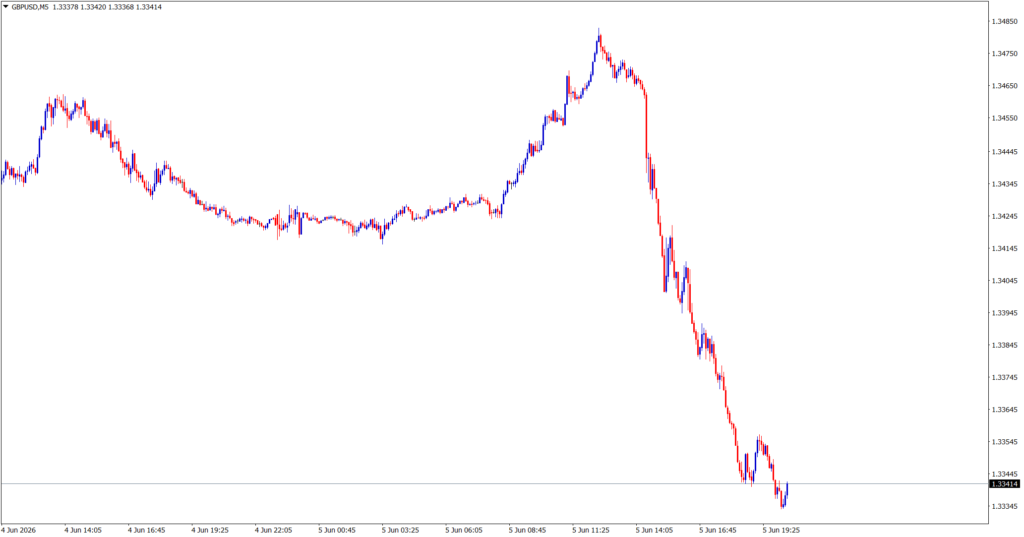
GBP/USD had one of the stronger weekly performances among the majors. Sterling gained 1.1% on the week to $1.3352, its strongest weekly advance in roughly three months.
Technically, the pair’s strength was notable because it built on relative resilience from earlier in the week. GBP/USD broke higher as the dollar weakened, and the move looked more convincing than the euro’s because sterling was also strong against the euro.
The pair’s higher-low structure improved, and momentum shifted back in favor of buyers. A sustained move above nearby resistance would strengthen the case for a deeper recovery.
Fundamental Analysis
Sterling benefited from the same dollar-negative forces supporting EUR/USD, but it also had a relative advantage against the euro. The pound had already reached a one-year high versus the euro on Thursday, supported by currency-market flows and reduced ECB-hike pressure.
The UK still faced political uncertainty, especially around the expected transition from Keir Starmer to Andy Burnham and questions over fiscal direction. Reuters later noted that sterling’s rally may face limits because of UK fiscal constraints and uncertainty over who would become Chancellor.
But on July 3, those domestic issues were secondary. The main driver was the sharp repricing of U.S. labor-market strength and Fed expectations. With the dollar losing its rate-hike support, GBP/USD was able to extend its recovery.
USD/JPY
Technical Analysis
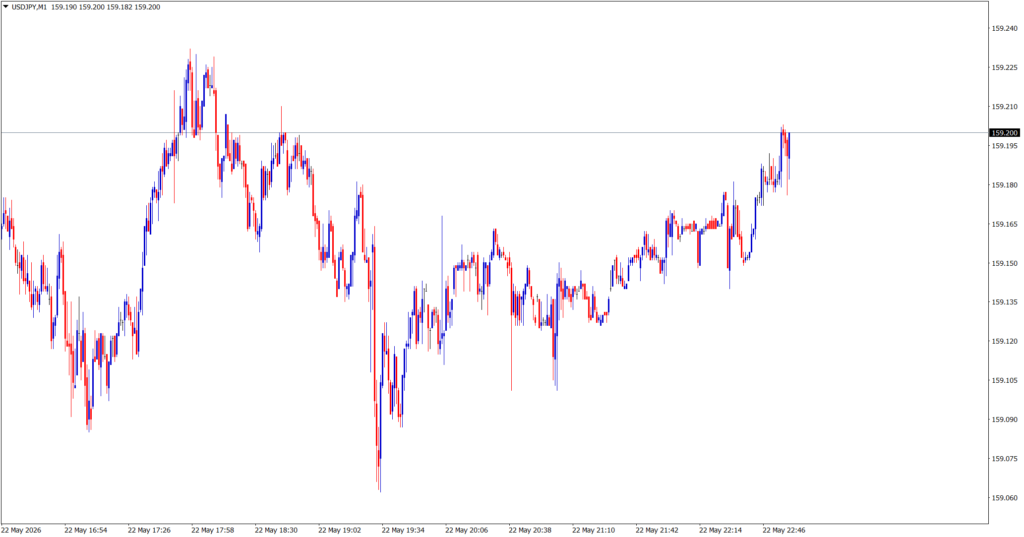
USD/JPY remained elevated near 161.25 despite the dollar’s broader weekly decline. The pair had retreated from a 40-year high around 162.84, but it was still trading in territory that kept intervention risk firmly alive.
Technically, Thursday’s sharp drop damaged upside momentum, but the pair did not break down decisively. USD/JPY remained in a high-level consolidation pattern, with the market still debating whether 162.84 marked a meaningful top or just another pause before renewed yen weakness.
The pair’s structure was therefore unstable: no longer cleanly bullish in the short term, but not yet bearish either.
Fundamental Analysis
Japan’s intervention risk was the dominant local factor. Finance Minister Katayama said authorities were ready to respond and were in close contact with U.S. officials, keeping traders cautious. Reuters also reported that yen weakness had pushed up costs for imported goods and contributed to a rise in bankruptcies, making the weak currency a growing economic and political problem.
However, the yen’s structural problems remained. Japan’s fiscal spending ambitions had unsettled bond markets, and 10-year JGB yields had reached a 30-year high. That created a difficult policy backdrop: Japan wants to stabilize the yen, but aggressive tightening could worsen bond-market stress.
The weak U.S. jobs data helped by reducing Fed-hike expectations, but USD/JPY stayed high because Japan’s domestic fundamentals remained fragile. The pair could fall further if U.S. yields continue easing, but it likely needs sustained dollar weakness or BOJ policy support to reverse more meaningfully.
Market Outlook
July 3 ended the week with the dollar losing momentum after a major labor-market disappointment. The jobs data did not signal a crisis, but it was soft enough to cool Fed-hike expectations and trigger the dollar’s biggest weekly drop since April.
For now:
- EUR/USD is recovering on weaker Fed-hike bets.
- GBP/USD has stronger momentum than EUR/USD because sterling is also firm against the euro.
- USD/JPY remains the most unstable major pair due to intervention risk and Japan’s fragile domestic backdrop.
- The dollar’s next move depends on whether upcoming data confirm a cooling U.S. labor market or restore confidence in Fed tightening.
The week’s message was clear: the dollar remains structurally supported by yields, but it is no longer immune to soft U.S. data.