


Thursday’s session marked a subtle but important shift in tone as the dollar stabilized after several days of gradual weakness. Unlike earlier sessions driven primarily by geopolitical narratives, Apr. 30 was influenced more by technical and positioning factors, particularly month-end flows and a stabilization in U.S. yields.
The macro backdrop did not change dramatically. Geopolitical risks remained contained, oil prices stayed relatively stable, and central banks continued to signal caution. However, after a sustained period of dollar softness, the market reached a point where further selling became harder to justify without a new catalyst.
This is where positioning dynamics came into play. As April came to a close, traders adjusted portfolios, locking in profits and rebalancing exposures. At the same time, U.S. yields stopped drifting lower, removing one of the key pressures on the dollar.
The result was a session where the greenback found support rather than strength, a distinction that matters. The dollar did not surge, but it stopped falling, and that shift was reflected across major pairs.
EUR/USD
Technical Analysis
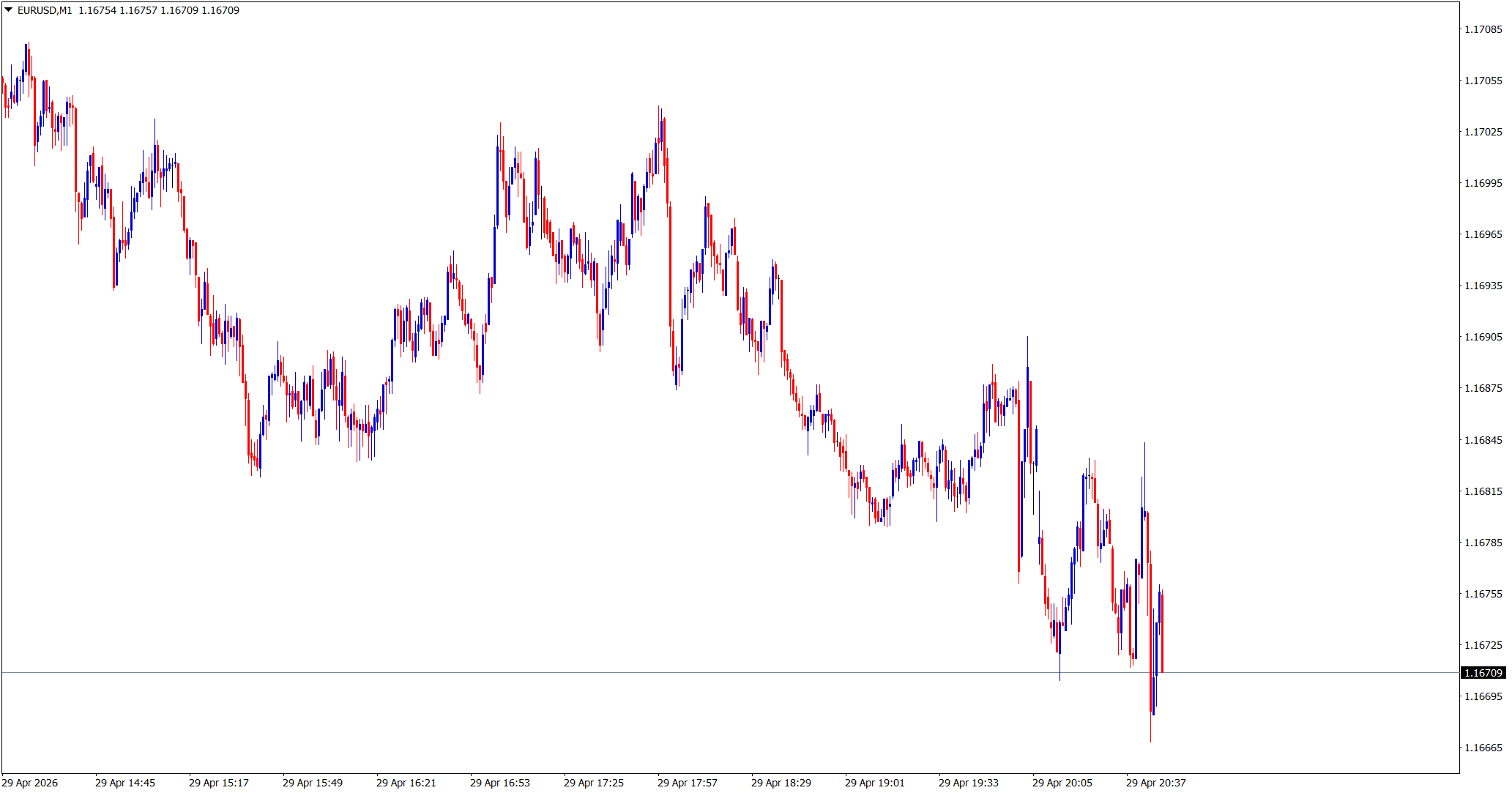
EUR/USD paused after its recent upward grind and traded in a tight range. The pair failed to extend higher and showed signs of consolidation, indicating that bullish momentum is slowing.
Technically, this behavior suggests that the pair is entering a more mature phase of its move. The inability to push higher does not necessarily signal a reversal, but it does indicate that buyers are becoming less aggressive. Support levels remain intact, but upside momentum is clearly weakening.
Fundamental Analysis
The euro’s pause reflects a combination of factors. While geopolitical risks remain contained, the lack of further improvement limits additional upside. At the same time, the stabilization of U.S. yields provides support for the dollar.
Without a strong catalyst on either side, EUR/USD is left in a balanced position. The euro is no longer under heavy pressure, but it also lacks the momentum to continue its earlier rally. This leaves the pair in a consolidation phase, where movement is driven more by positioning than by fundamentals.
USD/JPY
Technical Analysis
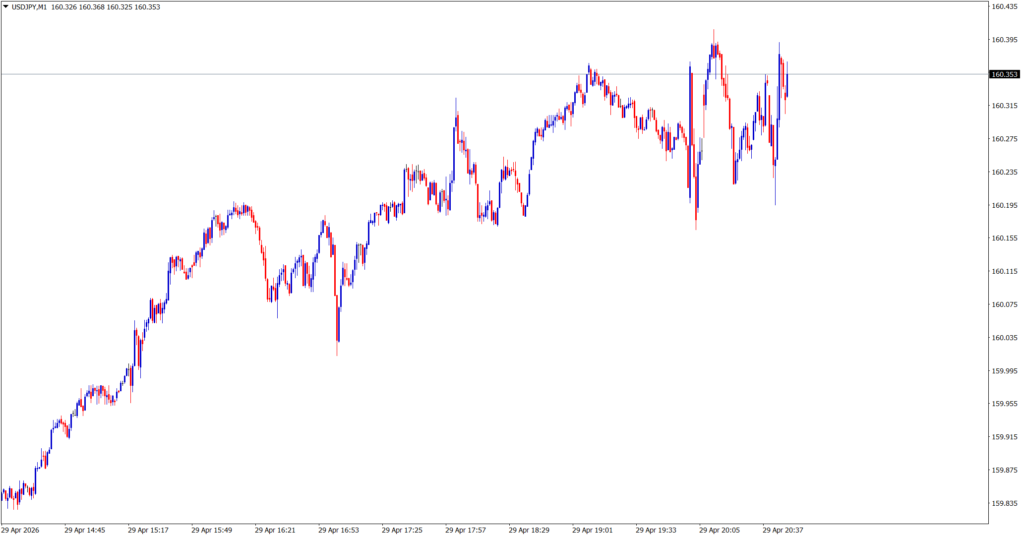
USD/JPY rebounded modestly, recovering some of its recent losses. The move was controlled rather than aggressive, indicating a technical adjustment rather than a strong trend reversal.
From a technical perspective, the pair remains within a broader range. The rebound suggests that support levels are holding, but the lack of strong follow-through indicates that buyers are cautious. The pair is likely to continue trading within this range unless a stronger catalyst emerges.
Fundamental Analysis
The rebound in USD/JPY was driven primarily by stabilization in U.S. yields. As yields stopped falling, the dollar regained some support, allowing the pair to move higher.
At the same time, the yen did not receive significant safe-haven demand, as geopolitical risks remained contained. This created a favorable environment for USD/JPY to recover, but not to trend strongly.
The pair remains sensitive to changes in yields and geopolitical developments, and without a clear driver, it is likely to remain range-bound.
USD/CAD
Technical Analysis
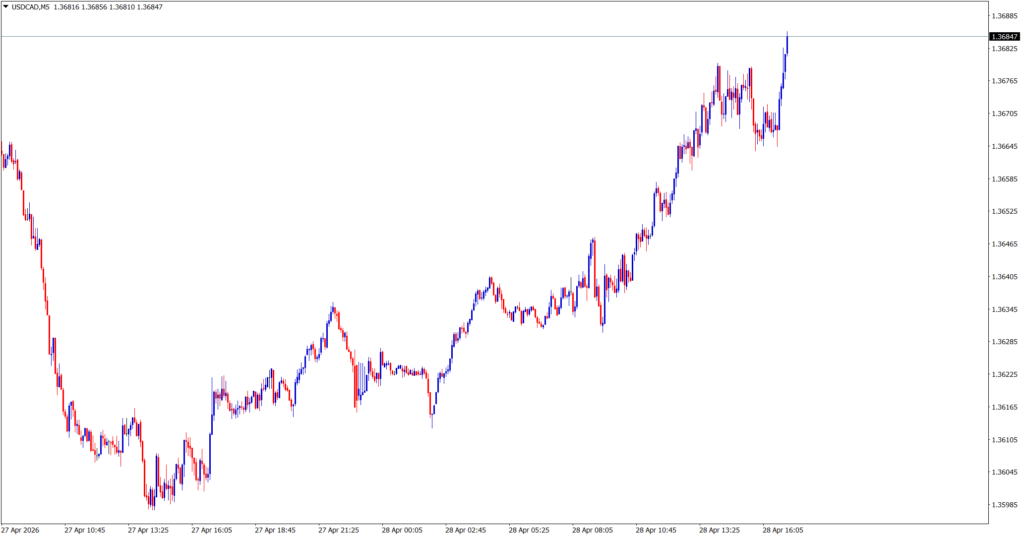
USD/CAD held steady, showing little directional movement. The pair traded within a narrow range, reflecting a balance between buyers and sellers.
Technically, this consolidation suggests that the pair is waiting for a stronger signal. Neither side has enough momentum to drive a breakout, and the pair remains in a neutral structure.
Fundamental Analysis
The fundamental backdrop for USD/CAD remains mixed. Oil prices have stabilized, providing some support for the Canadian dollar, while the dollar benefits from steady yields and positioning flows.
This balance keeps the pair stable. Without a significant move in oil or a shift in monetary policy expectations, USD/CAD is likely to remain range-bound.
Market Outlook
Apr. 30 highlighted the importance of positioning and technical factors in the current market environment. With no major fundamental shifts, the dollar found support through stabilization in yields and month-end flows.
The market remains balanced, with no clear directional bias. The next move will likely depend on new catalysts, such as economic data or geopolitical developments.
For now, the focus shifts to whether the dollar can build on this stabilization or if it will resume its previous trend.