


Wednesday delivered the week’s first meaningful counterpunch to dollar weakness: a strong US jobs signal pushed yields higher and forced some USD short-covering. The important nuance, though, was that USD strength was not uniform, USD/JPY did not surge proportionately, as the yen remained supported relative to other majors.
EUR/USD
Technical Analysis
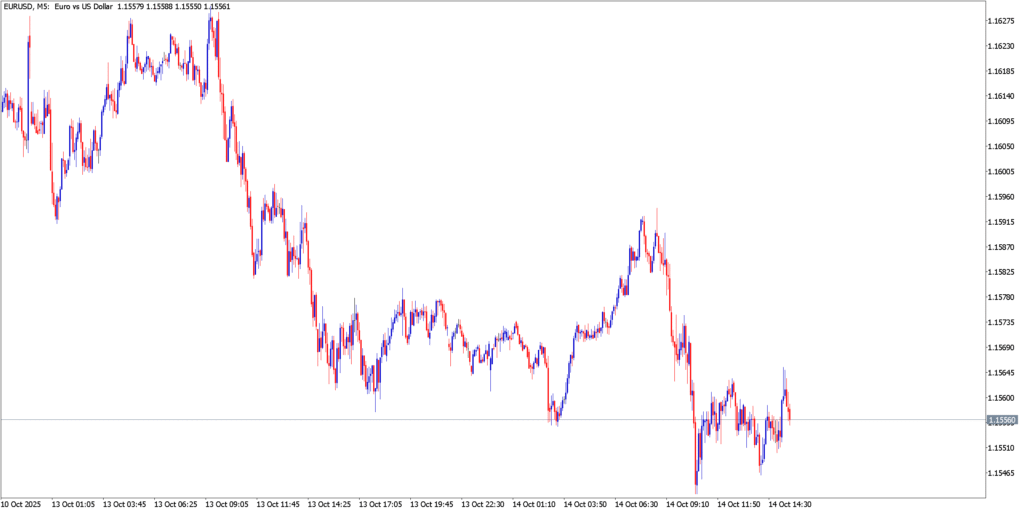
EUR/USD pulled back modestly as the dollar regained footing. Technically, the move looked like a correction rather than a trend break: the pair retreated from highs but remained within its broader range structure.
Fundamental Analysis
Strong jobs data and higher yields can quickly reset Fed expectations, making it harder for EUR/USD to extend. Reuters highlighted that stronger job creation could complicate rate-cut timing, supporting the dollar.
GBP/USD
Technical Analysis
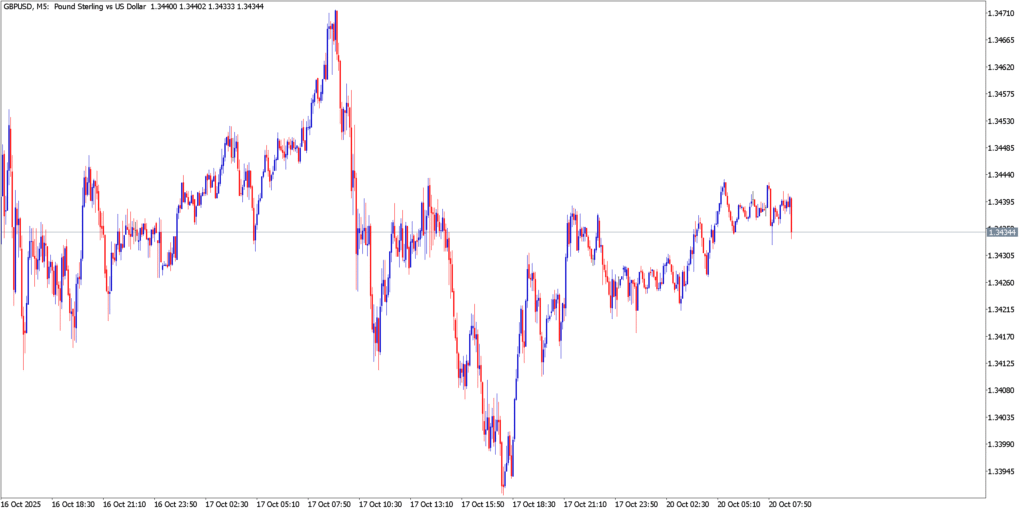
GBP/USD mirrored EUR/USD, easing lower as USD demand returned. The price action suggested profit-taking rather than panic, with the pair still behaving like it had an underlying bid when USD softens.
Fundamental Analysis
Sterling’s pullback reflected USD repricing after jobs data, not a UK-specific deterioration. The key driver was the market’s interpretation that Fed cuts may not be as soon or as aggressive if labor stays strong.
USD/JPY
Technical Analysis
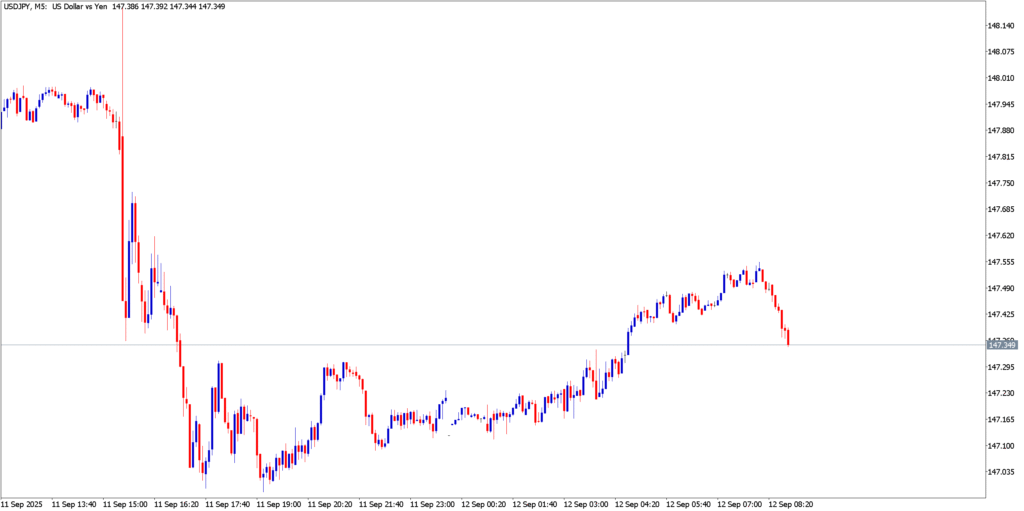
USD/JPY underperformed the USD rebound narrative. Even as the dollar rallied elsewhere, the pair remained more anchored, signaling JPY strength remained “sticky” and not purely a one-off.
Fundamental Analysis
Reuters noted that while the dollar broadly rallied after the jobs report, it was down against the yen, a strong tell that Japan-side dynamics (yields, confidence, and post-election repricing) continued to support JPY.
Market Outlook
The market entered a classic tension point: strong labor supports USD, but a resilient yen suggests USD/JPY remains the most headline- and yield-sensitive pair. Next: inflation risk and broader risk sentiment.