


Thursday delivered the decisive break the market had been waiting for. The U.S. jobs report came in far weaker than expected, cooling the Fed-hike narrative that had supported the dollar through much of June. Reuters reported that employers added only 57,000 jobs in June, well below expectations for 110,000, while Fed funds futures reduced the probability of a September hike from 67% to 54%. The dollar index fell 0.52% to 100.87, its largest daily drop in two months.
USD/JPY was the standout mover. The dollar fell 0.91% against the yen to 161.08 as traders braced for possible Japanese intervention. Reports suggested Tokyo had shifted toward a new approach to unsettle yen bears, including dropping explicit intervention warnings to make the market less certain about when action might come.
The euro and pound rallied. EUR/USD rose 0.48% to $1.1431, while sterling jumped against the dollar and reached a one-year high versus the euro. Reuters reported that swings in the yen caused broader currency-market gyrations, but the payrolls disappointment was the central dollar-negative driver.
This was a major shift in the week’s narrative. After days of Fed-hike speculation, the labor data gave markets a reason to question whether the U.S. economy was strong enough to justify near-term tightening.
USD/JPY
Technical Analysis
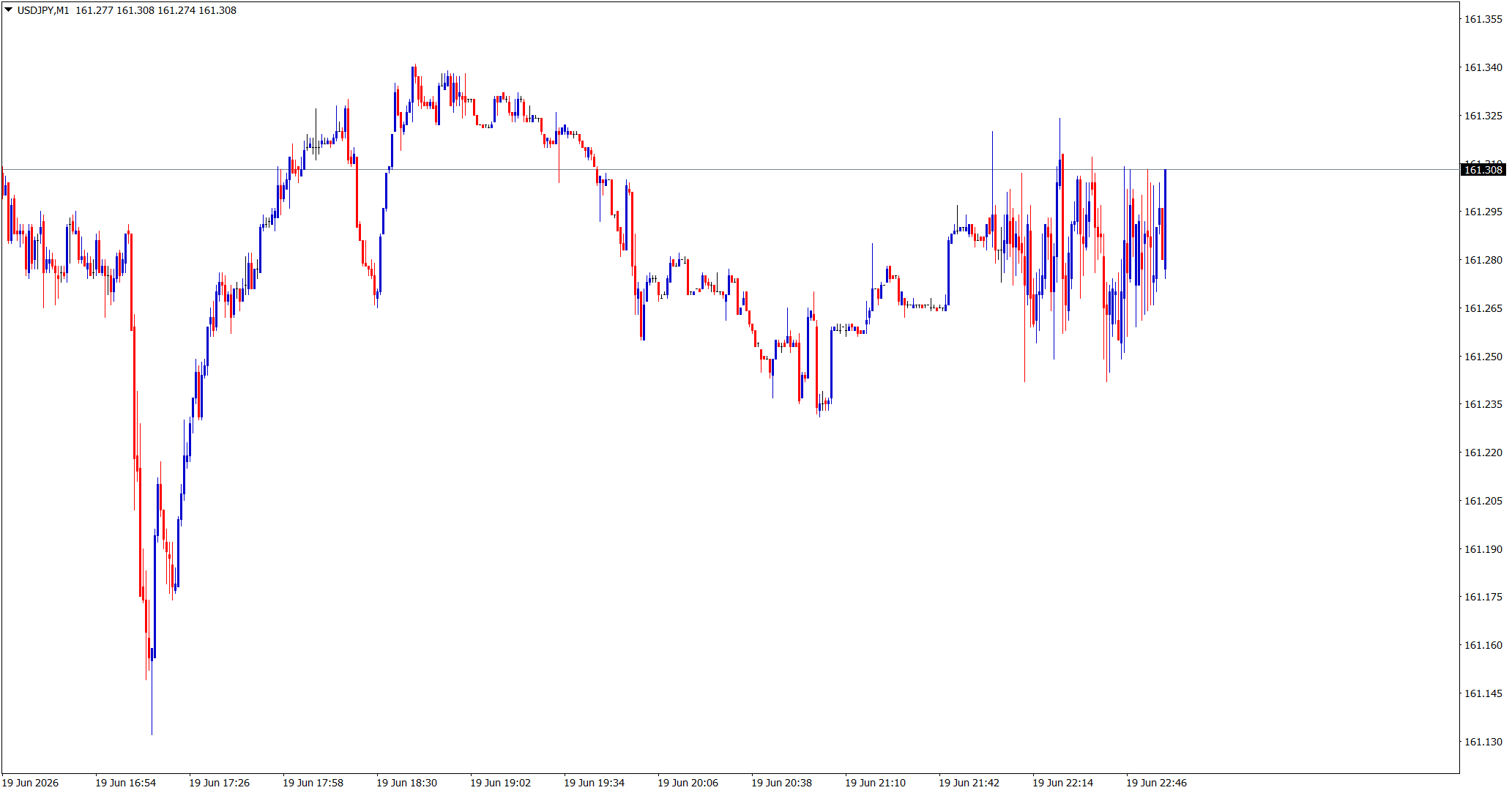
USD/JPY fell sharply after reaching extreme levels earlier in the week. The move from around 162–163 toward 161 represented a significant short-term reversal, especially given how crowded yen shorts had become.
Technically, the pair remained elevated, but Thursday’s move damaged the immediate bullish momentum. A sharp drop from multi-decade highs often signals not just profit-taking, but a reassessment of risk. In this case, traders were reacting to both softer U.S. jobs data and uncertainty over Japanese intervention tactics.
The pair did not break into a full bearish reversal, but it showed that upside above 162 was increasingly unstable. The technical structure shifted from bullish continuation to high-volatility consolidation.
Fundamental Analysis
The yen benefited from two forces. First, the U.S. jobs miss reduced Fed-hike expectations, lowering the dollar’s yield advantage. Second, traders became more alert to Japanese intervention risk.
Reuters reported that sources said Tokyo had dropped explicit intervention warnings as part of an effort to unsettle yen bears. This matters because predictable intervention language can be priced and faded. Ambiguity makes traders less comfortable holding large short-yen positions near extreme levels.
Japan’s fundamental challenges remained — low rates, fiscal concerns, and weak yen pressure on import costs — but Thursday showed that even a structurally weak yen can rally sharply when dollar yields soften and intervention anxiety rises.
EUR/USD
Technical Analysis
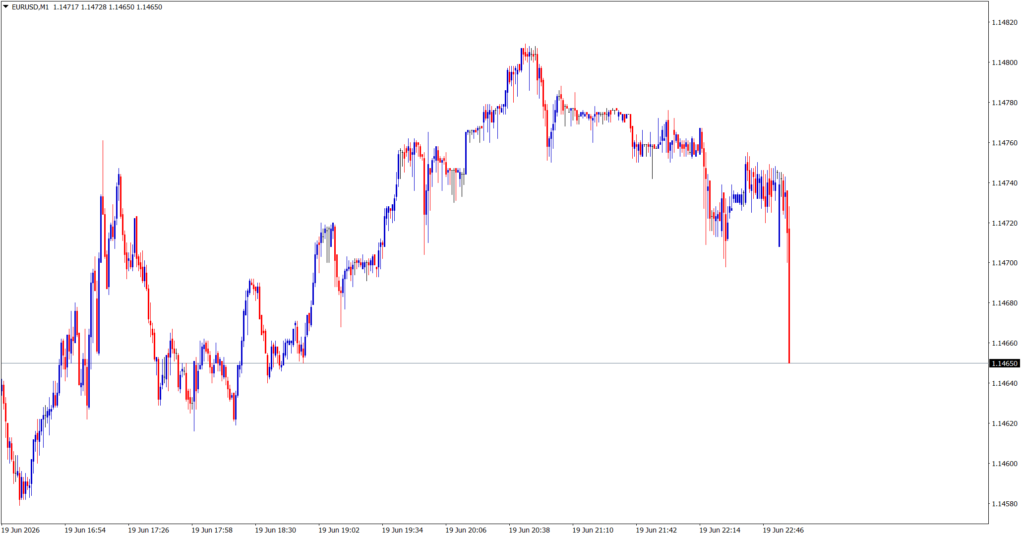
EUR/USD rallied strongly and reclaimed part of the ground lost earlier in the week. The pair moved back above $1.14, improving the short-term technical structure and reducing immediate downside pressure.
Technically, Thursday’s move was important because it reversed the euro’s post-inflation-data weakness. The pair had looked vulnerable after eurozone inflation came in softer, but the U.S. jobs miss shifted attention back to dollar weakness. The euro still needed more follow-through to confirm a broader bullish reversal, but the immediate bearish setup was interrupted.
Fundamental Analysis
The euro’s rally was primarily a dollar story. The weaker U.S. jobs report reduced the probability of Fed tightening, narrowing the policy divergence that had pressured EUR/USD earlier in the week.
At the same time, eurozone fundamentals remained mixed. Softer eurozone inflation reduced ECB hike pressure, which is not inherently euro-positive. But Thursday’s move showed that when U.S. data undermines the Fed-hike story, EUR/USD can rally even if the eurozone outlook is not especially strong.
Global risk sentiment also helped. The payroll report did not suggest a labor-market collapse, but it cooled the overheating narrative. That supported equities and reduced demand for defensive dollar positions.
GBP/USD
Technical Analysis
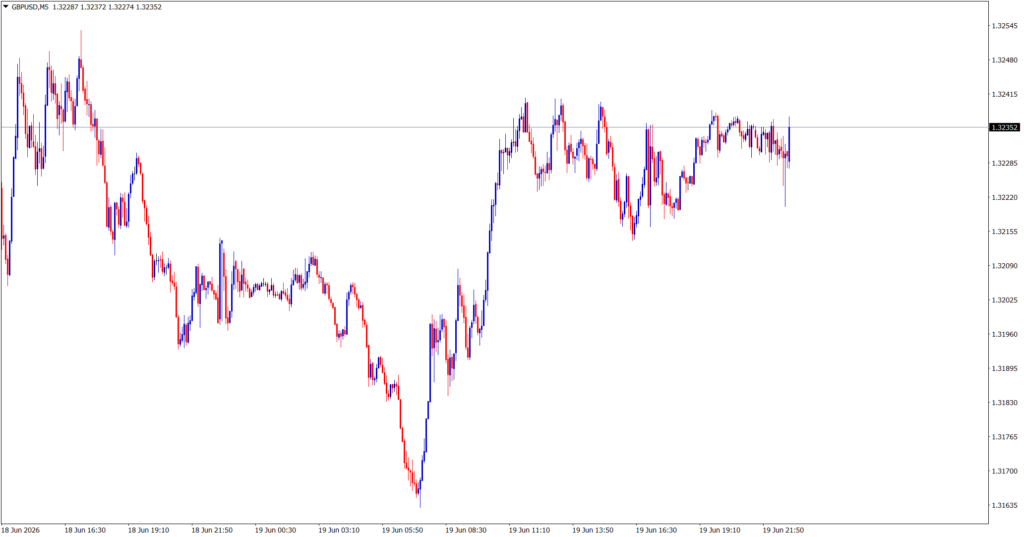
GBP/USD jumped as the dollar weakened, while sterling also strengthened to a one-year high against the euro. The pair’s move against the dollar was technically constructive because it followed several sessions of relative resilience.
Sterling’s ability to outperform both the dollar and euro showed that GBP had stronger underlying support than EUR on the day. GBP/USD regained upward momentum and moved back toward the upper end of its recent range.
Fundamental Analysis
Sterling benefited from a combination of broad dollar weakness and relative strength versus the euro. Reuters reported the pound rose to a one-year high against the euro and jumped against the dollar as currency markets gyrated around yen moves and the U.S. jobs report.
The UK still had political uncertainty, especially around leadership and fiscal policy, but the market was not focused on that on Thursday. Instead, sterling benefited from the fact that the U.S. data directly weakened the Fed-hike narrative, while eurozone inflation data had weakened the ECB-hike narrative the day before.
This gave GBP a relative advantage in European FX. GBP/USD therefore rallied not only because the dollar weakened, but because sterling was one of the stronger major currencies in its own right.
Market Outlook
July 2 changed the immediate FX landscape. The dollar’s Fed-hike momentum was dented by a weak payrolls report, while the yen’s sharp rally showed that intervention risk could no longer be ignored.
For now:
- USD/JPY remains elevated but highly unstable.
- EUR/USD has recovered above $1.14, but still depends on dollar weakness.
- GBP/USD looks more constructive thanks to sterling’s relative strength.
- The dollar’s next direction depends on whether the jobs report is seen as a one-off soft patch or the start of a broader labor slowdown.