


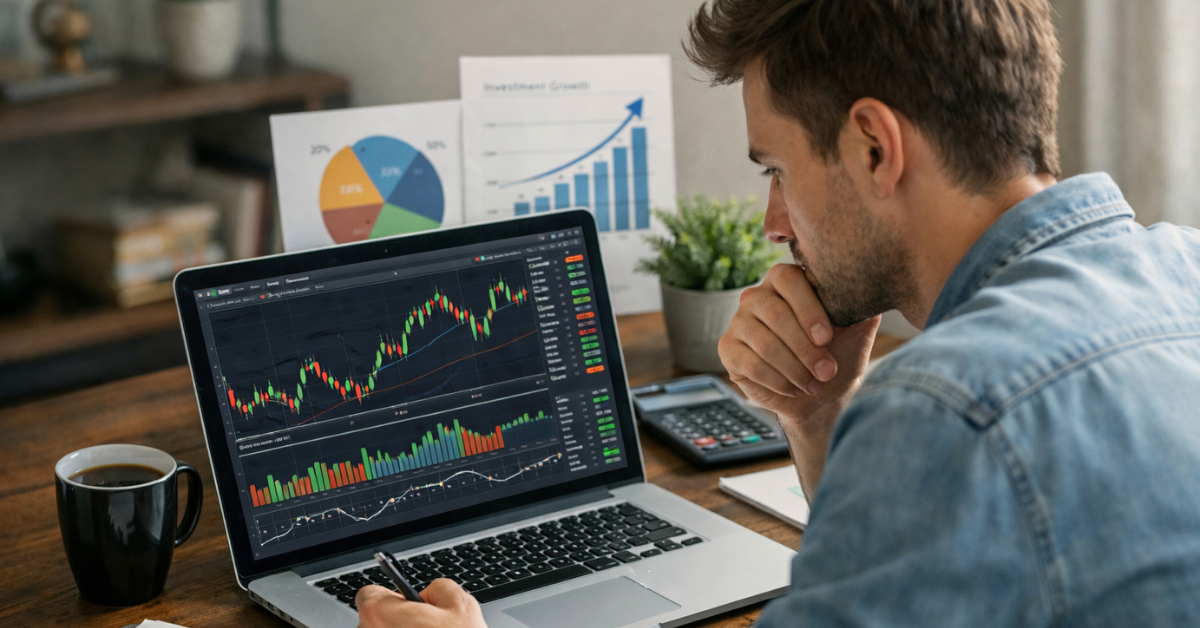
No single person, company, or government owns forex. The currency market operates as a decentralized global network where banks, institutions, governments, and traders participate together. Understanding who owns forex really means understanding the forex market structure and the participants who drive currency prices.
Key Takeaways
- No single entity owns or controls the forex market.
- The forex market structure is decentralized and global.
- Major banks and institutions play the largest role in price movement.
- Governments influence currencies through monetary policy.
- Forex market participants range from central banks to retail traders.
Does Anyone Actually Own Forex?
If you’ve ever wondered who owns forex, you’re asking a very common, and important, question.
Unlike stock markets that operate through centralized exchanges, forex has no headquarters and no single owner.
Instead, the currency market exists through a worldwide electronic network connecting banks, financial institutions, corporations, and traders. This network connects banks and institutions directly through electronic trading systems rather than through a physical exchange building.
Here’s what that means for you: forex isn’t controlled by one organization. Prices form through supply and demand created by millions of transactions happening globally every day.
This decentralized nature is what makes forex the largest financial market in the world. Forex is considered the largest financial market based on daily trading volume, which exceeds trillions of dollars per day.
Forex Market Structure
To understand who runs the currency market, you need to understand the forex market structure.
Forex operates in layers, often called a hierarchy.
| Market Level | Participants | Role in Market |
| Tier 1 | Central Banks | Monetary policy & currency stability |
| Tier 2 | Major Commercial Banks | Provide liquidity & pricing |
| Tier 3 | Institutions & Hedge Funds | Large speculative trading |
| Tier 4 | Brokers & Platforms | Access for retail traders |
| Tier 5 | Retail Traders | Individual participation |
Each level contributes differently, but liquidity flows primarily from the top levels downward.
Who Controls the Forex Market?
A better question than who owns forex is: who controls the forex market?
The answer is shared influence rather than control. No single participant can permanently set exchange rates because prices are constantly adjusted by global supply and demand.
Central Banks
Central banks have the strongest influence because they manage national monetary policy.
Examples include:
- Federal Reserve (USA)
- European Central Bank (ECB)
- Bank of England (BoE)
- Bank of Japan (BoJ)
They influence currency value by adjusting interest rates, managing inflation, and occasionally intervening directly in currency markets.
However, even central banks do not fully control exchange rates long term because global supply and demand ultimately determine prices.
Who Runs the Currency Market Day to Day?
Daily forex activity is largely driven by large financial institutions.
Major commercial banks form what is known as the interbank market, where currencies are traded in massive volumes.
These banks:
- Provide exchange rates
- Supply liquidity
- Execute large transactions for clients
Because they trade billions of dollars daily, their activity significantly impacts short-term price movement.
This explains why institutional trading sessions often create strong volatility.
5 Key Forex Market Participants
Let’s break down the main forex market participants and how each affects prices.
1. Central Banks
They stabilize economies and influence currency strength through policy decisions.
2. Commercial Banks
They dominate trading volume and provide pricing across the market.
3. Hedge Funds and Institutions
They speculate on currency movements using large capital.
4. Corporations
Companies exchange currencies for international trade and operations.
5. Retail Traders
Individual traders like you participate through brokers, adding liquidity at smaller scale.
Although retail traders represent a small percentage of volume, technology has significantly increased their market presence.
Why Forex Is Decentralized
The forex market developed to facilitate international trade rather than investment speculation.
Because global businesses operate across countries, currencies must be exchanged continuously.
A centralized exchange would limit flexibility across time zones and global banking systems.
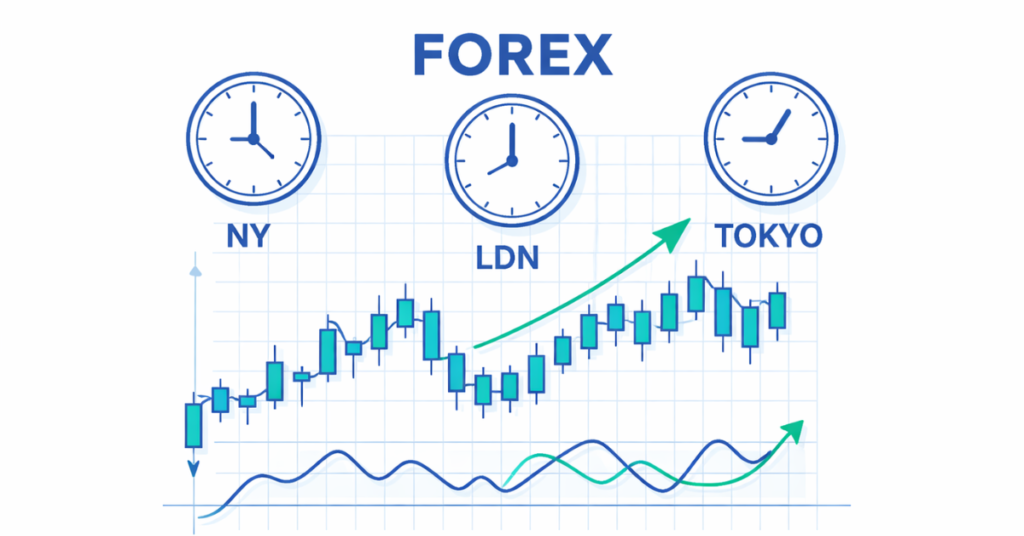
Instead, forex evolved into a decentralized network operating 24 hours a day across financial centers.
This structure enables continuous global trading.
How Prices Are Actually Determined
Currencies move because of supply and demand.
Key drivers include:
- Interest rate differences
- Economic growth expectations
- Inflation data
- Political stability
- Market sentiment
When demand for a currency increases, its value rises. When demand decreases, it falls.
So while traders often ask who runs the currency market, the real answer is collective market behavior.
Where Brokers Fit into Forex Market Structure
Brokers act as intermediaries connecting retail traders to the broader forex market.
They provide:
- Trading platforms
- Price feeds
- Order execution
- Leverage access
Reliable execution conditions become important because traders depend on accurate pricing and smooth trade processing.
Many traders choose brokers offering tight spreads and efficient withdrawals when participating in global markets.
Access Global Forex Liquidity Through a Reliable Broker
Retail traders participate in the forex market through brokers that connect them to broader liquidity networks. Execution quality, pricing transparency, and order processing speed all influence trading performance.
Defcofx offers trading conditions designed to provide:
- Competitive spreads across major currency pairs
- Fast and stable order execution
- Flexible leverage options
- Access to global forex liquidity
Understanding the forex market structure is important — but accessing it efficiently is just as critical.
Open a Live Trading Account
Why Market Structure Helps You Trade Better
When you understand who controls the forex market and how participants interact, trading becomes clearer.
You begin to recognize:
- Why volatility increases during certain sessions
- Why news events move currencies sharply
- Why trends form after institutional activity
Instead of viewing price movement as random, you start seeing the underlying structure driving market behavior.
That shift alone can significantly improve decision-making.
Final Thoughts
So, who owns forex? No one, and everyone. The forex market structure is decentralized, powered by central banks, commercial banks, institutions, corporations, brokers, and retail traders collectively. Understanding who runs the currency market helps you see how prices form and why currencies move. By recognizing the role of different forex market participants, you gain a deeper perspective on how the global currency market truly operates.
Frequently Asked Questions
Who owns forex?
No single entity owns forex. The market operates as a decentralized global network where banks, institutions, governments, and traders interact to determine currency prices through supply and demand.
Who controls the forex market?
No organization fully controls the forex market. Central banks influence currencies through monetary policy, but overall price movement results from global trading activity.
What is the forex market structure?
Forex market structure refers to the hierarchy of participants, from central banks and major financial institutions to brokers and retail traders, all interacting within a decentralized trading system.
Who runs the currency market daily?
Large commercial banks and institutional traders dominate daily trading volume through the interbank market, providing liquidity and influencing short-term price movement.
Who are the main forex market participants?
Forex market participants include central banks, commercial banks, hedge funds, corporations, brokers, and retail traders, each contributing to market liquidity and price discovery.
Can anyone manipulate the forex market?
Because forex is the largest financial market globally, long-term manipulation by a single entity is extremely difficult. Short-term volatility may occur, but overall pricing is driven by global supply and demand.