


Friday finally gave markets a genuine macro counterweight to the war-driven dollar story: a weak U.S. jobs report. Reuters reported that the dollar slipped in choppy trade after data showed an unexpected drop in new jobs created last month, while the Swiss franc rallied as the war entered a more dangerous rhetorical phase and Trump demanded Iran’s “unconditional surrender.” Yet even with that late setback, Reuters said the dollar was still on track for its largest weekly gain since November 2024. That tells you how strong the earlier week’s move had been.
This made Friday the most layered session of the week. The market had to absorb two conflicting signals at once: weaker U.S. labor data, which normally hurts the dollar, and an intensifying war-plus-oil backdrop, which still supported it. Reuters’ broader weekly analysis captured that tension well: the dollar’s safe-haven status remained intact, oil had surged, and the euro and yen stayed on the back foot because the energy shock was still warping inflation expectations across central banks.
USD/CHF

Technical Analysis
USD/CHF was one of Friday’s most important tells because it showed where true haven demand was flowing when payrolls weakened the dollar. The pair fell, and it did so in a way that looked more decisive than a routine intraday wobble. That matters because when USD/CHF drops during a geopolitical crisis, it usually means the franc is being chosen as the cleaner haven at that moment.
Fundamental Analysis
Reuters reported that the dollar fell 0.5% against the Swiss franc to 0.7764, while the franc rallied broadly as the war escalation triggered a fresh flight to safety. That move was reinforced by the payrolls miss, which undermined the dollar’s cyclical support just enough to let the franc outperform. So USD/CHF became Friday’s best expression of “weak U.S. data meets hard haven demand.”
USD/CAD

Technical Analysis
USD/CAD turned lower again, but for more convincing reasons than on Wednesday. This time, the pair had both sides of the trade working against the dollar: softer U.S. employment data and a fresh jump in oil prices. Technically, that tends to produce cleaner downside follow-through than a simple sentiment rebound does.
Fundamental Analysis
Reuters reported that the Canadian dollar strengthened 0.7% to a three-week high of 1.3578 per U.S. dollar, helped by oil settling 12.2% higher at $90.90 a barrel and by the weaker-than-expected U.S. jobs data. Reuters also noted that the loonie outperformed other G10 currencies over the week, especially those of oil importers, which is exactly what you would expect when a prolonged oil shock starts to matter more than pure haven demand. Friday, then, was the day the loonie finally behaved like a classic energy winner.
GBP/USD
Technical Analysis
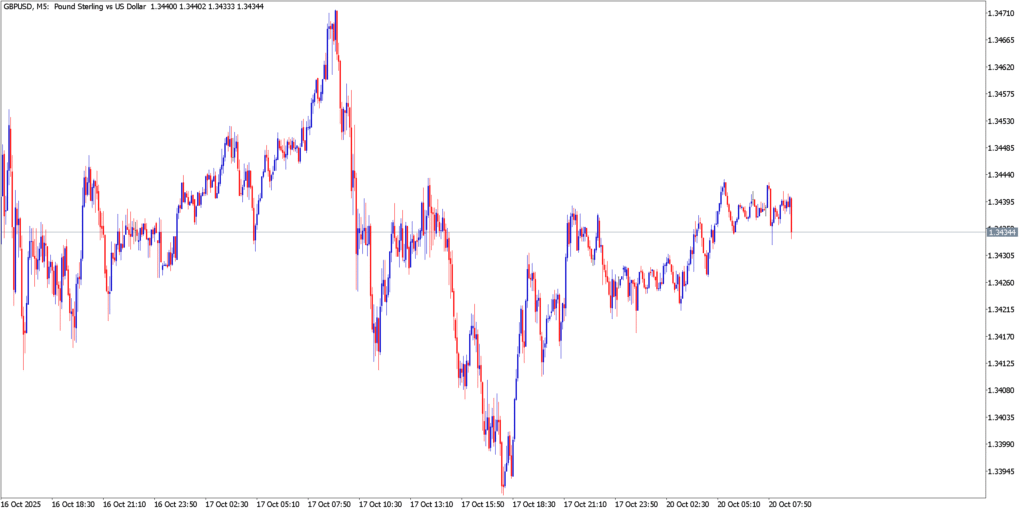
GBP/USD was choppy, but the bigger picture remained negative. Even with the dollar softer intraday after payrolls, sterling never looked like a currency the market wanted to buy aggressively. That distinction matters. A pair can rise mechanically because the dollar is weaker without actually changing its own underlying tone.
Fundamental Analysis
Reuters reported that the pound had fallen for a second straight day earlier in Friday’s trade and was heading for roughly a 1.1% weekly loss, with energy prices and war risk overshadowing any support sterling might have received from reduced BoE cut expectations. Reuters also noted that markets had slashed the probability of a March BoE cut from around 75% to 15%, but that analysts still expected the broader energy shock to outweigh any nominal support from delayed easing. In other words, GBP/USD remained a weak currency pair even on a day when the dollar itself wobbled.
Market Outlook
The week ended with a more complex but still clear conclusion. Friday’s payrolls miss was enough to knock the dollar off its highs, especially against true havens like the franc and against oil beneficiaries like the Canadian dollar. But it was not enough to erase the broader weekly reality: the dollar still posted its biggest weekly gain since late 2024, while the euro, yen, and pound all remained weighed down by the war-driven energy shock and the inflation uncertainty that came with it.