


Monday opened with the market still carrying the psychology of the previous week: energy shock, inflation fear, and broad demand for dollar safety. But the tone did not stay one-directional. Reuters reported that the dollar pared its early gains after President Donald Trump suggested in a CBS interview that the war against Iran was “very complete,” easing fears of a prolonged conflict that could disrupt global energy supplies and damage growth. That left the session with a very different character from the previous week’s straight-line dollar surge: instead of extension, markets moved into reassessment and partial unwind.
That distinction matters because Monday was not a genuine macro reversal in favor of non-dollar currencies. Oil was still elevated, European equities had already been hit by the inflation threat from surging energy prices, and volatility remained high. Reuters noted that European shares fell to their lowest level in more than two months before paring losses as oil surged more than 25% and neared $120 a barrel. So the market was not suddenly comfortable; it was simply less convinced that the conflict would automatically worsen every day. In FX terms, that produced whipsaw conditions rather than clean trends.
EUR/USD
Technical Analysis
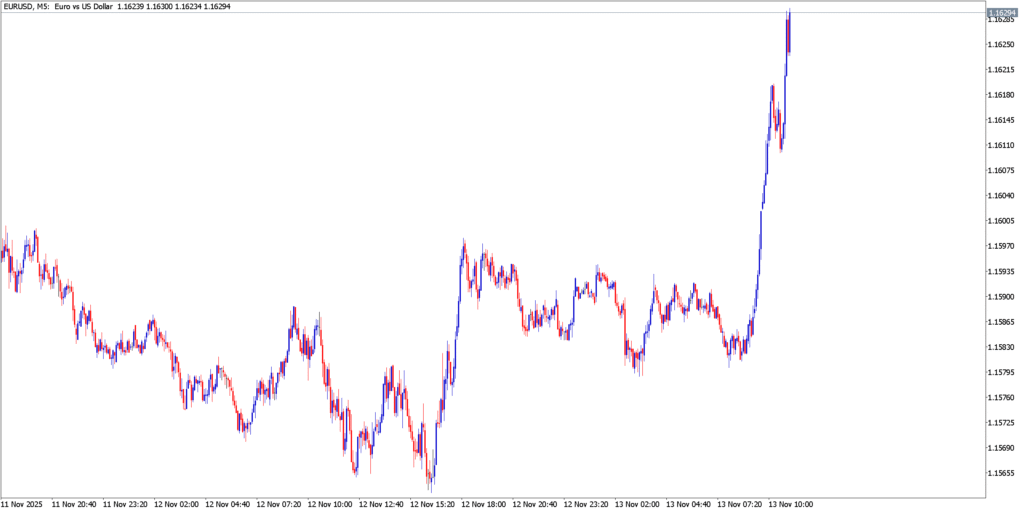
EUR/USD behaved like a pair trying to stabilize after a shock move rather than one beginning a fresh uptrend. The most important technical feature was the euro’s ability to stop falling when the dollar lost momentum later in the session. That does not, by itself, signal a durable trend change, but it does tell you that the prior week’s bearish impulse had become stretched enough that even modest improvement in sentiment could force covering. Monday’s tape therefore looked more like a relief recovery within a damaged structure than a clean bullish reset.
Fundamental Analysis
Fundamentally, the euro remained trapped in the same difficult logic that had hurt it the previous week: Europe is highly exposed to imported energy costs, so a war-driven oil spike is inflationary and growth-negative at the same time. What changed on Monday was not that problem, but the market’s confidence that the conflict would keep escalating without interruption. Reuters said the dollar erased some gains as investors became less worried about a prolonged war, and that gave EUR/USD room to recover. But because the underlying energy risk remained unresolved, the euro’s rebound looked tactical, not transformative.
USD/CAD
Technical Analysis
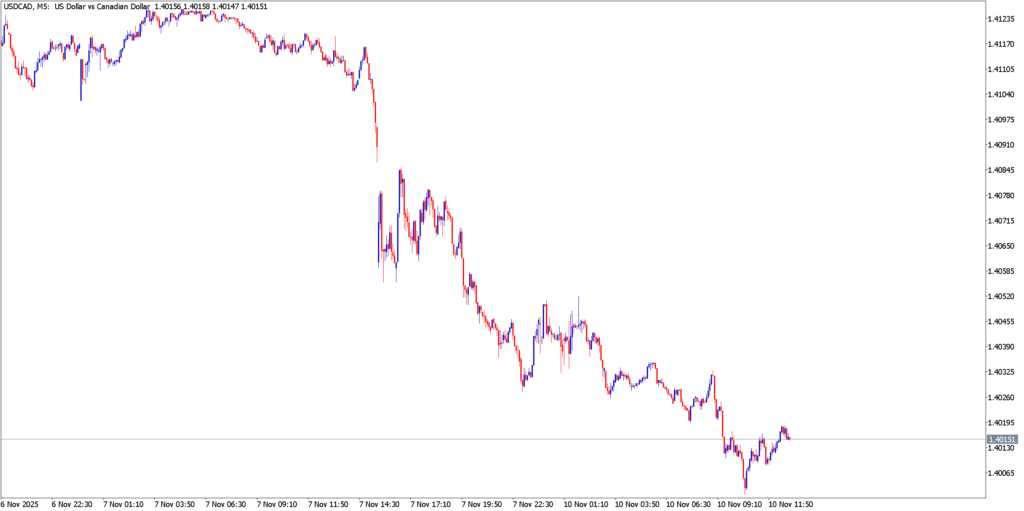
USD/CAD was one of the day’s more interesting expressions of the change in mood. Earlier war sessions had seen the dollar overpower even oil-linked currencies. On Monday, Reuters reported that the Canadian dollar touched its strongest level since February 11 before ending slightly weaker on the day, despite oil spiking to a near four-year high. That kind of intraday reversal is technically important: it signals a market torn between two strong narratives — dollar safety on one side, and Canada’s oil advantage on the other. The pair therefore traded less like a stable trend and more like a battlefield between broad dollar demand and commodity support for CAD.
Fundamental Analysis
The loonie’s resilience made economic sense. Canada is one of the few G10 economies that can actually benefit from higher crude prices, so once pure panic subsides even slightly, traders tend to rotate back toward CAD. Reuters highlighted that oil had spiked sharply, while the Canadian dollar nonetheless slipped only 0.1% against the U.S. dollar after touching a one-month high intraday. That is a relatively strong showing when the greenback is still broadly bid. It suggested that Monday’s market was beginning to differentiate between currencies merely hurt by the shock and currencies that might partially absorb it.
USD/JPY
Technical Analysis
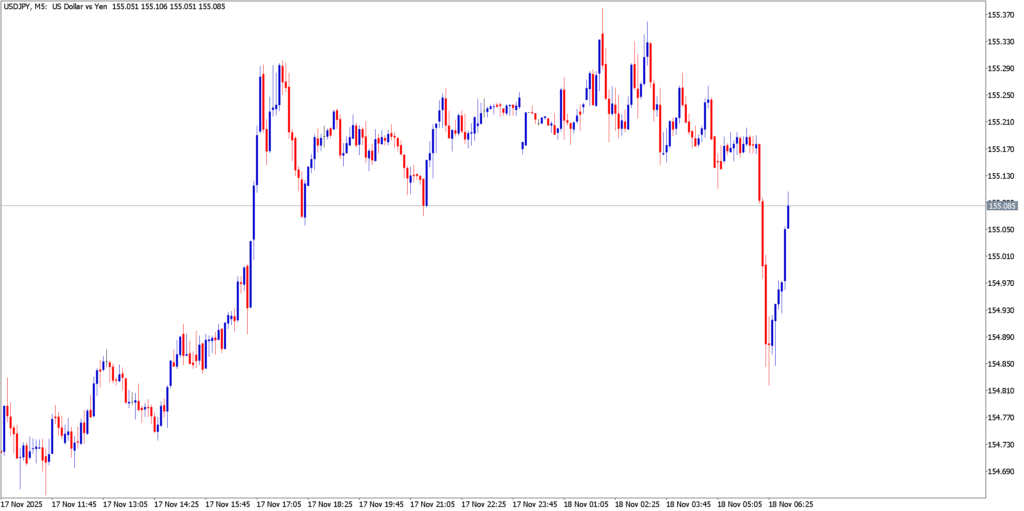
USD/JPY remained one of the least clean pairs on the board, and that was entirely consistent with the macro backdrop. The pair traded like a market being pulled in two directions at once: on one side, the dollar still carried safe-haven and yield support; on the other, any reduction in war panic could encourage unwinding of those positions, while the yen retained its own haven appeal. The result was the sort of unstable price action that usually appears when a pair is processing competing macro identities rather than a single trend driver.
Fundamental Analysis
The yen’s problem remained structural: Japan is highly exposed to imported energy costs, so higher oil is fundamentally negative for JPY. But the yen also benefits intermittently from geopolitical stress, especially when markets start questioning the durability of risk moves. Monday sat right in the middle of that tension. Reuters’ broader reporting on the day showed oil and inflation fear were still very much alive, even as the dollar gave back some gains on hopes the war might not last. That made USD/JPY less of a clean macro trade than EUR/USD or USD/CAD, but it also made it one of the fastest pairs for intraday repositioning.
Market Outlook
By Monday’s close, the market had not abandoned the “stronger dollar because of war-driven inflation risk” theme. It had merely become less one-sided about it. That left the week set up in a more nuanced way: the dollar still had the strategic narrative, but currencies like the Canadian dollar could fight back if risk appetite improved even modestly, while EUR/USD and USD/JPY remained highly sensitive to each new headline on oil and the conflict.
Discover our other forex market analyses: