


Thursday was a sharp reversal of the previous two sessions. Reuters reported that the dollar rose 0.46% on the index to 100.02 as President Trump’s address offered no reassurance and instead suggested an intensification of strikes over the next two to three weeks, including threats against Iran’s power infrastructure. Scotiabank analysts quoted by Reuters said the reaction amounted to a near full reversal of most G10 currencies’ week-to-date gains.
That tells you how event-driven the market still was. The FX regime had not really changed on Tuesday and Wednesday; it had merely been challenged by softer war assumptions. Once those assumptions were pulled back, the market reverted quickly to the more familiar playbook: stronger dollar, weaker oil-importing currencies, and heavier pressure on any pair whose prior rebound had rested mostly on optimism rather than on improved data.
GBP/USD
Technical Analysis
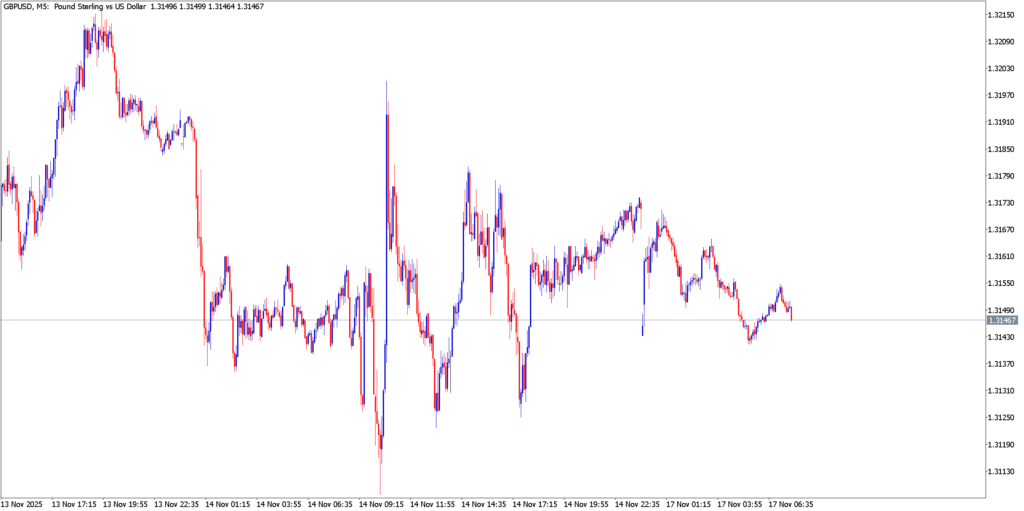
GBP/USD gave back gains sharply, which made it one of the cleaner downside expressions of Thursday’s reversal. The pair had bounced earlier in the week, but that bounce had always looked fragile. On Thursday, that fragility was exposed. Once the dollar bid returned, sterling could not defend its recovery structure and instead slipped back toward the lows. Technically, that kind of failed rebound is often a stronger bearish signal than a simple continuation lower.
Fundamental Analysis
Reuters reported that sterling slid 0.63% to $1.3222 in the broad FX piece and separately described the pound as falling sharply after Trump vowed more aggressive strikes and gave no reassurance on the Strait of Hormuz. That combination was especially toxic for sterling because the UK remains heavily exposed to imported energy costs. Higher oil revives inflation fears, but it does not help the pound if it simultaneously worsens the growth outlook and boosts the dollar’s safe-haven appeal.
USD/CAD

Technical Analysis
USD/CAD turned back up, and the reversal had real weight because it combined a stronger dollar with a weaker local backdrop. Technically, it looked like the pair had used Tuesday and Wednesday to correct, only to resume its broader bullish structure once the macro environment swung back in the dollar’s favor. That is exactly the type of sequence trend traders look for in macro-driven markets.
Fundamental Analysis
Reuters reported that the Canadian dollar weakened 0.4% to 1.3925 on Thursday as optimism about a quick end to the war faded and Canada’s trade deficit unexpectedly widened. That made USD/CAD especially compelling because the pair now had both a global and a domestic tailwind: a stronger U.S. dollar and softer Canadian data. Once the market no longer felt comfortable selling dollars on de-escalation hopes, the loonie lost one of its most important supports.
USD/JPY

Technical Analysis
USD/JPY stayed supported and looked less vulnerable than it had earlier in the week. The pair was still trading in an intervention-sensitive zone, but Thursday’s return of strong dollar demand reduced the urgency of fading it on policy concerns alone. Technically, that tends to produce a grind higher rather than a clean breakout because traders still know 160 matters politically, even when the macro trend points up.
Fundamental Analysis
Reuters’ April 2 FX coverage showed the dollar rising even against other safe-haven currencies, including the yen and Swiss franc, as Trump’s address revived concern about a longer war. That is important. It means the move was not just a generic flight to safety; it was specifically a flight into the dollar. At the same time, Reuters’ April 3 intervention piece made clear that Japanese officials were increasingly alarmed by FX volatility but that many traders still believed Tokyo would not step in unless the yen weakened further beyond 161–162 or after the BOJ’s next meeting. That left USD/JPY fundamentally supported, even if the intervention ceiling remained part of the trade.
Market Outlook
Thursday made clear that the market still needed solid evidence of de-escalation before it would abandon the stronger-dollar thesis. Without that, the dollar remained the default winner from war uncertainty, while currencies like sterling and the loonie were quick to give back relief gains. USD/JPY, meanwhile, re-entered the familiar late-March zone of “uptrend supported, but politically constrained.”
Check out our other forex market analysis: