


Wednesday was the most aggressive anti-dollar day of the entire week. The ceasefire was no longer a rumor or a tentative headline, it had become a full market event, and the implications were enormous. Reuters reported that the pound posted its biggest one-day gain in three weeks after the U.S.-Iran ceasefire, while Reuters’ Canadian coverage said the loonie reached a 13-day high as Wall Street rallied and oil plunged 16%. From broader market reporting, Europe’s STOXX 600 had its best day in over four years, which tells you how large the relief move really was. This was not a cautious unwind. It was a genuine macro washout of the dollar’s war premium.
The oil move made all the difference. A 16% collapse in crude is not simply a commodity story, it is a direct attack on the inflation narrative that had underpinned the strong-dollar regime. Lower oil means less imported inflation stress for Europe and the UK, less pressure for central banks to stay hawkish, and less reason for investors to crowd into the U.S. dollar as the relatively insulated macro winner. This is why Wednesday’s session felt so much larger than Tuesday’s: Tuesday told the market the war premium could come out; Wednesday made it come out decisively.
GBP/USD
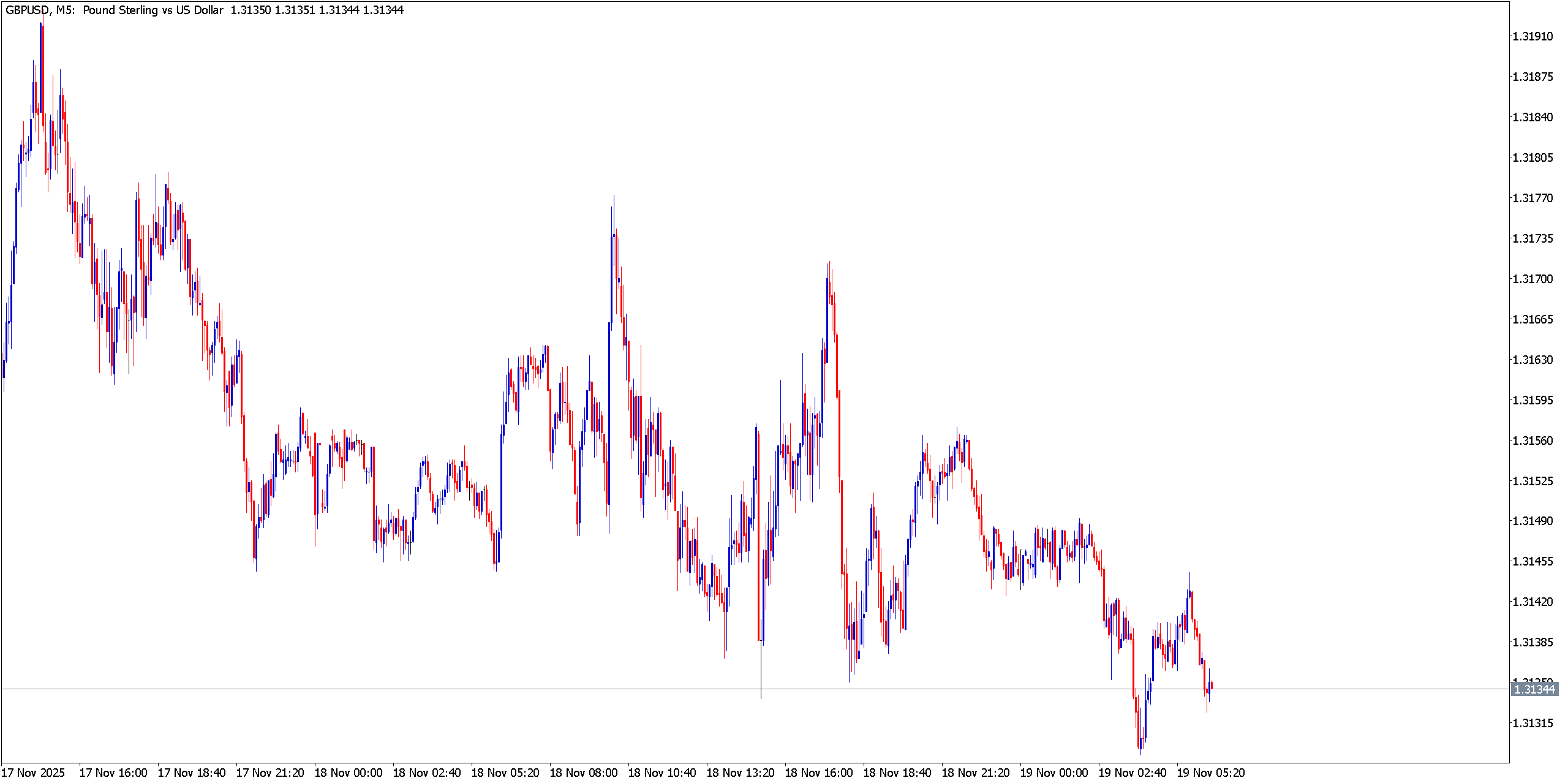
Technical Analysis
Sterling was one of the best-performing major currencies on Wednesday. Reuters reported the pound rose 1% to $1.342, its biggest one-day gain in three weeks and its highest level since March 23. That is a significant technical statement because it pushed the pair well beyond a normal corrective bounce. The market was not just covering shorts anymore. It was aggressively repricing the extent to which the UK should be penalized under a lower-oil, lower-fear scenario. Technically, that kind of move often marks the strongest point of a relief cycle, when trapped positioning is being forced out at speed.
Fundamental Analysis
Sterling’s outperformance makes sense because the UK had been one of the clearest victims of the prior energy shock. Reuters said that after the ceasefire, markets reduced expectations for BoE tightening, now seeing only one hike in 2026 rather than at least two. That sounds dovish, but in this context it was positive for sterling because it reflected lower inflation stress, not weaker growth panic. In other words, the market was happy to take away the emergency hawkishness that had been imposed by high oil. GBP/USD therefore rallied because the UK’s macro backdrop looked less distorted than it had only days earlier.
USD/CAD
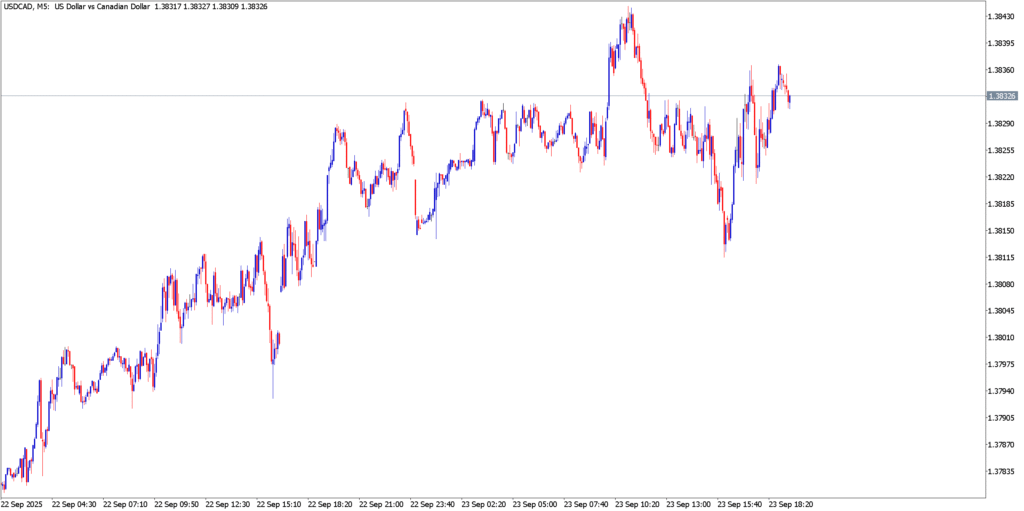
Technical Analysis
USD/CAD fell sharply and Reuters reported the loonie hit a 13-day high, reaching as strong as 1.3825 intraday before trading around 1.3850. This was especially interesting because oil had plunged. Under normal petrocurrency logic, lower crude should hurt CAD. But the pair still fell, which tells you how powerful the anti-dollar move was. Technically, that is one of the clearest signs of a broad-based dollar liquidation rather than a narrow commodity-led move.
Fundamental Analysis
Reuters explicitly noted that the loonie strengthened even as oil dropped 16%, because the ceasefire dramatically improved investor sentiment and the dollar weakened sharply against other majors. Corpay’s Karl Schamotta also noted that the loonie’s traditional petrocurrency influence had diminished relative to broader capital-flow and risk dynamics. That point matters. Wednesday was not about rewarding Canada for oil. It was about punishing the dollar for losing its dominant haven and inflation status. USD/CAD became one of the cleanest examples of that broader macro reset.
EUR/USD
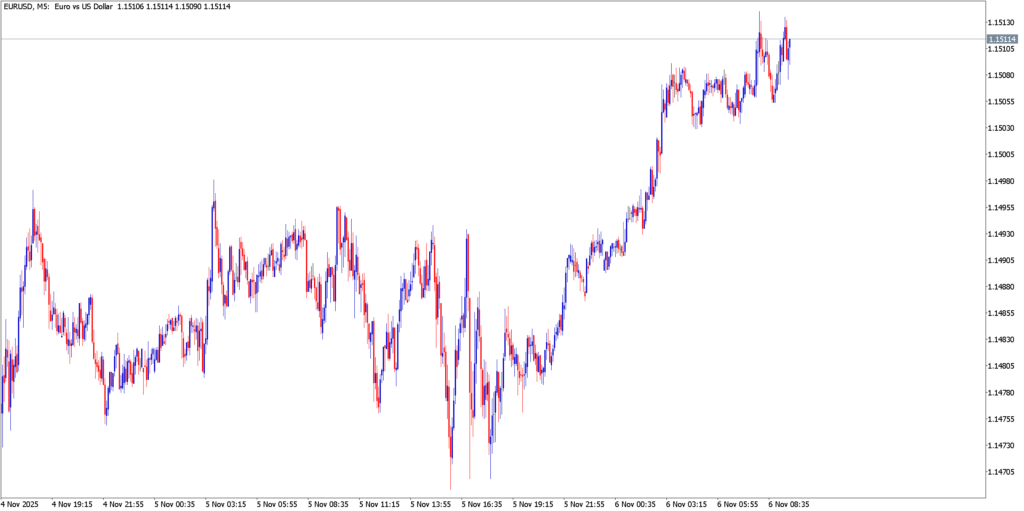
Technical Analysis
Reuters’ Apr. 9 forex summary stated that the euro had gained 0.6% on Wednesday and touched a one-month high at $1.1721 before easing slightly late in the day. That retrospective detail is enough to establish Wednesday’s technical tone: EUR/USD was not merely drifting up; it was testing and briefly reaching levels not seen in a month. That is the kind of move that usually indicates a full repricing of sentiment rather than a casual retracement.
Fundamental Analysis
The euro’s strength fits the same ceasefire logic as sterling’s, but with one crucial distinction: Europe’s exposure to the oil shock had been even more central to the prior dollar rally. So when crude collapsed and the market began believing that Hormuz flows could eventually normalize, EUR/USD had one of the strongest macro reasons to rebound. Europe’s relief rally in equities, reported by Reuters as the STOXX 600’s best day in more than four years, reinforces that reading. The euro benefited because the energy threat that had most damaged it was suddenly far less immediate.
Market Outlook
Wednesday was the session that fully broke the earlier stronger-dollar structure. If Tuesday had opened the door, Wednesday blew it off the hinges. GBP/USD and EUR/USD both showed that Europe-linked currencies could recover aggressively when the oil scare collapsed, and USD/CAD showed that the dollar could be sold even against currencies with their own local weaknesses. The only real question heading into Thursday was whether the market would consolidate this huge move or try to extend it.
Check out our other forex market analysis: