


Friday’s session saw the dollar strengthen modestly into the weekend as rising Treasury yields and cautious positioning encouraged traders to rebuild some defensive exposure. After stabilizing on Thursday, the greenback extended gains slightly as markets shifted away from the mild risk-positive tone that had pressured the dollar earlier in the week.
The broader macro environment remained relatively stable overall:
- geopolitical tensions stayed contained
- oil prices remained controlled
- and central-bank expectations changed little
However, Treasury yields moved higher during Friday’s session, providing fresh support for the dollar. At the same time, traders became increasingly reluctant to maintain large anti-dollar positions heading into the weekend, particularly after several weeks of range-bound but persistent dollar weakness.
The result was a session defined by:
- modest dollar strength
- profit-taking in major currency pairs
- and a broader return toward cautious positioning
Importantly, the move still lacked the characteristics of a full risk-off shift. Markets were not aggressively fleeing into the dollar, but they were clearly reducing exposure to risk-sensitive positions before the weekend.
EUR/USD
Technical Analysis
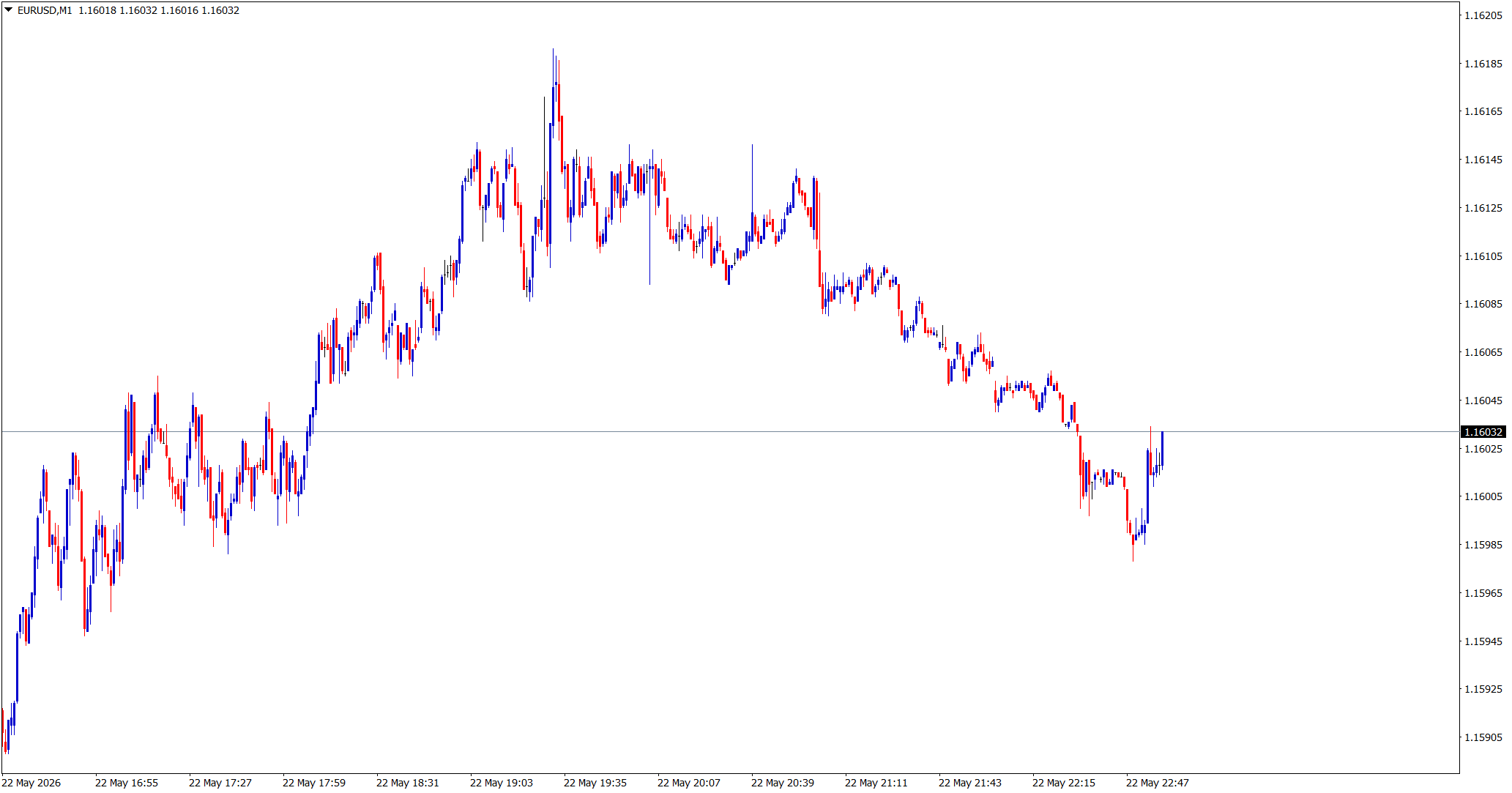
EUR/USD moved lower and gave back part of its recent gains. The pair traded with a softer tone throughout the session, though the decline remained orderly and failed to break major support levels.
Technically, the move appears corrective rather than bearish. After spending much of May trading near the upper end of its range, Friday’s decline looks more like position adjustment and profit-taking than the start of a larger reversal.
The broader consolidation structure remains intact as long as key support zones continue to hold.
Fundamental Analysis
The euro weakened mainly because of renewed dollar strength driven by firmer Treasury yields and defensive positioning into the weekend.
At the same time, the euro lacked fresh bullish catalysts after several weeks of gradual recovery. With geopolitical risks still present in the background and yields moving higher, traders became less comfortable extending long euro positions aggressively.
However, the broader eurozone outlook remains relatively stable, especially compared to the more volatile conditions seen earlier in April. This helped limit downside pressure in EUR/USD despite Friday’s softer tone.
USD/JPY
Technical Analysis
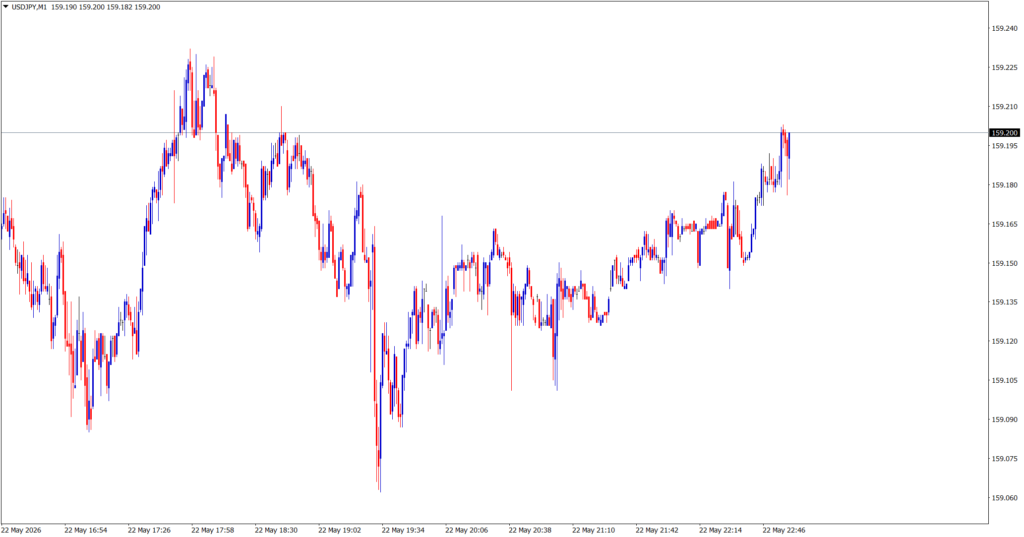
USD/JPY rebounded modestly after several sessions of gradual decline. The pair traded with a firmer tone throughout the session and recovered part of its recent losses.
From a technical perspective, the rebound reflects stabilization rather than a decisive trend reversal. The pair remains within its broader corrective structure, but Friday’s move suggests that support levels continue holding effectively.
Momentum improved modestly, though upside conviction remains limited near elevated levels.
Fundamental Analysis
The rebound in USD/JPY was driven primarily by firmer Treasury yields. The pair remains highly sensitive to yield differentials, and Friday’s rise in yields provided direct support for the dollar side of the equation.
At the same time, slightly more defensive market positioning ahead of the weekend reduced demand for yen strength relative to the dollar.
However, broader upside momentum in USD/JPY remains constrained by:
- intervention sensitivity
- fading momentum near highs
- and the market’s reluctance to aggressively chase the pair higher without stronger catalysts.
USD/CHF
Technical Analysis
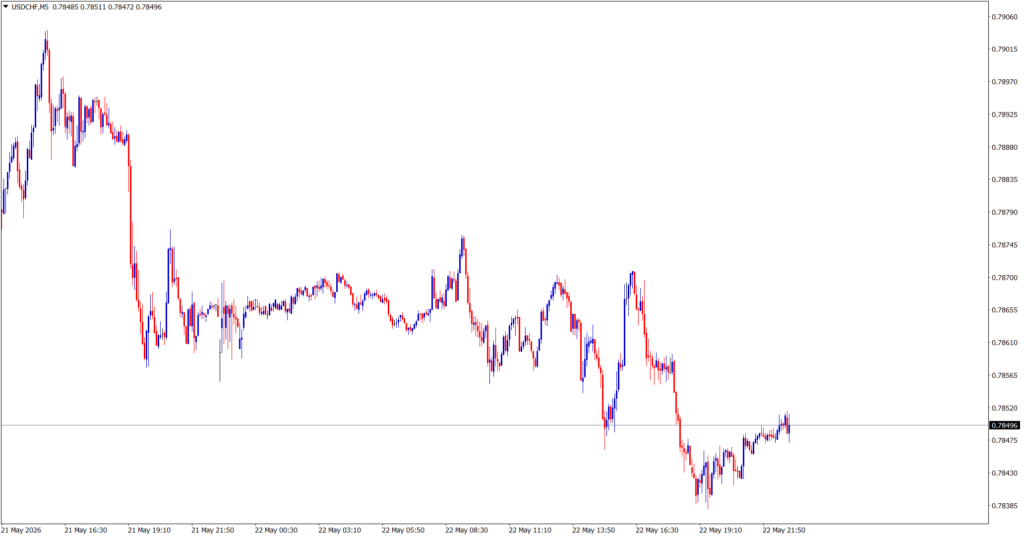
USD/CHF extended gains and continued trading with a firm upward bias throughout the session. The pair recovered steadily and closed near session highs.
Technically, the move reinforces the pair’s broader stabilization structure after earlier weakness. Buyers maintained control throughout Friday’s session, though the pair still remains within a larger consolidation range rather than a sustained uptrend.
The rebound suggests that support levels remain solid in the near term.
Fundamental Analysis
The rise in USD/CHF reflected modestly stronger defensive demand for the dollar as traders reduced risk exposure into the weekend.
While broader market conditions remain relatively calm, the market became cautious enough to support the dollar against other safe-haven currencies like the Swiss franc.
Importantly, the move also reflected how the dollar continues to benefit whenever:
- Treasury yields rise
- defensive positioning increases
- or markets become slightly less comfortable holding anti-dollar trades.
Friday’s session combined all three factors, helping USD/CHF outperform.
Market Outlook
Friday’s session reinforced the idea that the dollar still retains strong underlying support whenever:
- Treasury yields move higher
- markets become more cautious
- or traders reduce risk exposure
However, the broader environment still lacks the conditions necessary for a sustained strong-dollar breakout:
- geopolitical risks remain contained rather than escalating
- yields are firming, not surging
- and central-bank expectations remain relatively stable
This leaves the market in a familiar structure:
- range-bound overall
- mildly supportive for the dollar into defensive periods
- but still vulnerable to renewed weakness whenever sentiment stabilizes.
For now:
- EUR/USD remains within constructive consolidation
- USD/JPY has stabilized after recent declines
- USD/CHF reflects modest defensive dollar demand
- and broader FX markets remain driven more by positioning and yields than by aggressive macro repricing.
Discover our other forex market analysis: