


Wednesday marked a dramatic shift in market sentiment as geopolitical tensions in the Middle East escalated significantly, triggering a broad flight toward the U.S. dollar.
Markets that had spent much of late May and early June pricing in de-escalation suddenly had to reassess that view. Reports of renewed military activity involving Iran, attacks near Gulf shipping routes, and growing concerns over energy supplies pushed oil prices sharply higher while reigniting inflation fears. Brent crude approached the psychologically important $100 level as traders worried about disruptions to global energy flows through the Strait of Hormuz.
The inflation implications were immediate.
Higher energy prices threaten to slow the disinflation process that central banks have been working toward for over a year. As a result, Treasury yields moved higher and markets began questioning whether the Federal Reserve would be able to ease policy as much as previously expected. Reuters noted that recent U.S. economic data, including payrolls, factory orders, and service-sector activity, continued surprising to the upside, reinforcing the view that the U.S. economy remains remarkably resilient.
The combination of:
- rising oil prices
- stronger U.S. economic data
- higher Treasury yields
- and renewed geopolitical uncertainty
created one of the most dollar-supportive environments seen in weeks.
EUR/USD
Technical Analysis
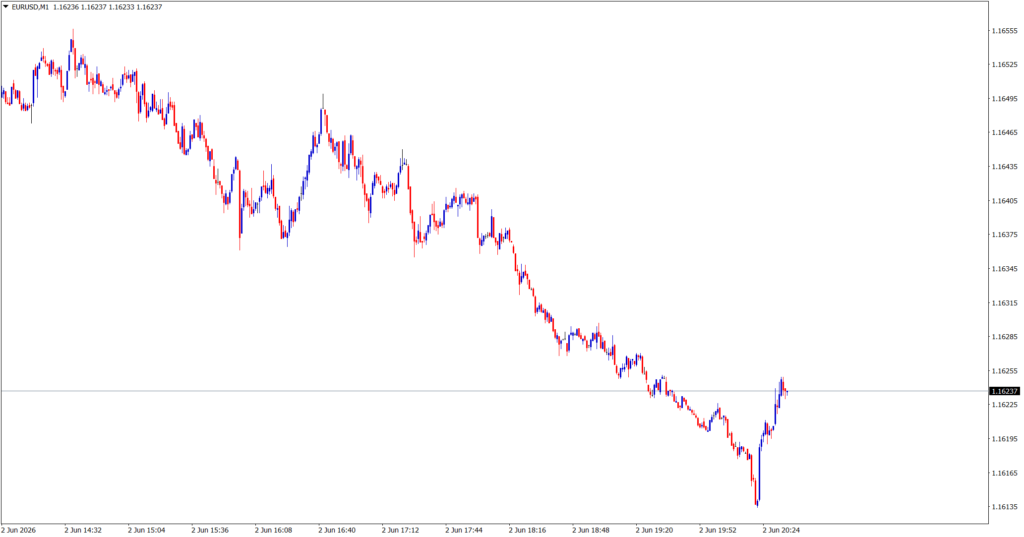
EUR/USD came under heavy pressure as the dollar strengthened across the board. The pair broke lower through short-term support levels and spent most of the session trading defensively.
Recent attempts to build bullish momentum were largely erased, and the pair moved back toward the lower half of its established range.
Technically, the euro’s recovery structure suffered significant damage. Momentum indicators turned decisively lower, and buyers struggled to generate meaningful rebounds throughout the day.
Fundamental Analysis
The euro faced a perfect storm of negative developments.
First, Europe remains significantly more vulnerable to energy shocks than the United States. Rising oil prices directly increase inflation risks across the eurozone while simultaneously weighing on growth prospects.
Second, stronger U.S. economic data widened the divergence between the U.S. and European economies. Reuters highlighted that U.S. private payroll growth reached a 16-month high while factory orders and services activity surprised positively.
Third, rising Treasury yields increased the attractiveness of dollar-denominated assets relative to European assets.
The combination of energy vulnerability, weaker growth prospects, and widening yield differentials made EUR/USD one of the clearest casualties of Wednesday’s geopolitical shock.
USD/JPY
Technical Analysis
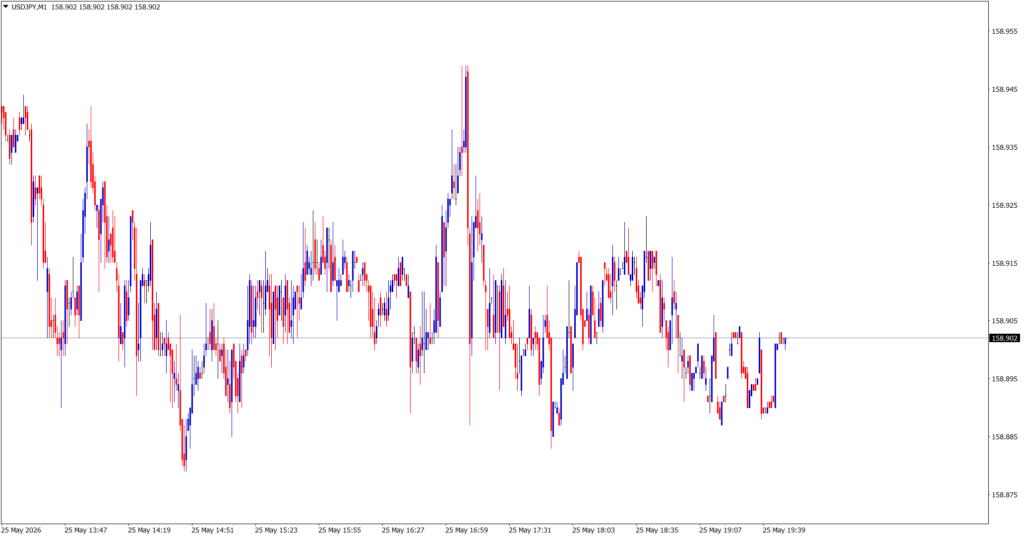
USD/JPY surged higher and once again approached the highly sensitive 160 level.
The pair traded with strong momentum throughout the session and erased much of the weakness seen during late May. Buyers remained firmly in control as the pair moved back toward levels that have repeatedly attracted attention from Japanese authorities.
Technically, the move represented a major victory for bulls. The recent corrective decline appears increasingly threatened as momentum shifts back toward the upside.
However, intervention risk remains elevated near current levels.
Fundamental Analysis
The pair benefited from two powerful drivers:
- rising Treasury yields
- safe-haven demand for dollars
Reuters reported that the yen weakened beyond 160 per dollar again, bringing intervention concerns back into focus.
Japan remains particularly vulnerable to energy price shocks because of its dependence on imported fuel. Rising oil prices worsen Japan’s trade balance and add inflationary pressure without necessarily generating stronger economic growth.
At the same time, the Bank of Japan remains far behind the Federal Reserve in terms of overall interest-rate levels.
The result was a strong resurgence in the carry-trade dynamic that has dominated USD/JPY for much of the past two years.
USD/CHF
Technical Analysis
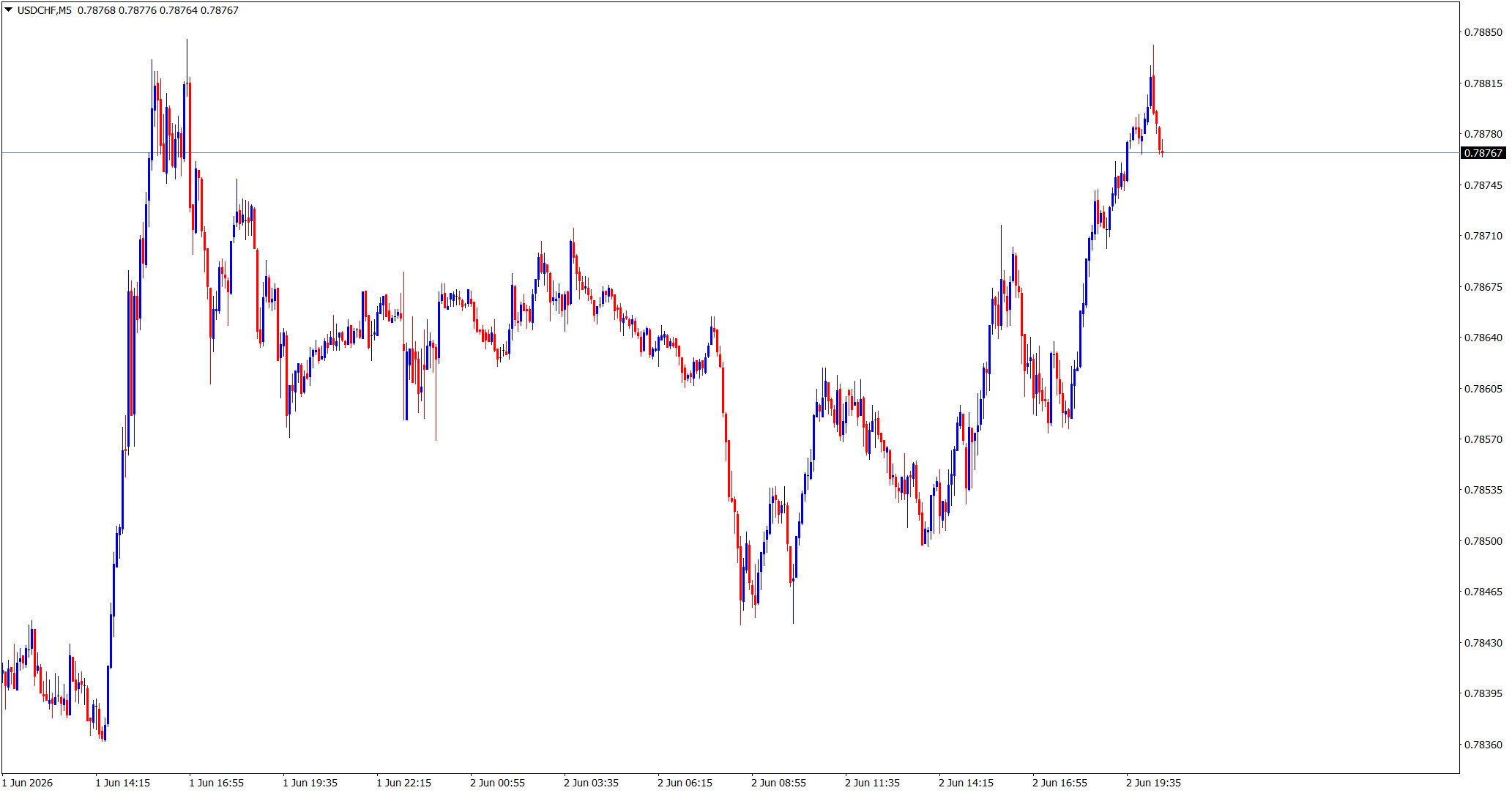
USD/CHF moved sharply higher as traders rotated back into the dollar. The pair broke out of its recent consolidation range and maintained strong upward momentum throughout the session.
The move significantly improved the dollar’s technical outlook against the franc and reinforced the broader recovery structure that has been developing since late May.
Support levels held firmly while resistance levels gave way relatively easily.
Fundamental Analysis
While both the dollar and Swiss franc are considered safe-haven currencies, Wednesday’s environment favored the dollar.
The key difference was Treasury yields.
Unlike the franc, the dollar benefits when yields rise because investors can earn attractive returns while simultaneously holding a safe-haven asset.
Reuters reported that the dollar index strengthened as investors reassessed rate expectations amid the conflict.
As geopolitical tensions intensified and inflation concerns resurfaced, investors increasingly preferred the dollar’s combination of safety and yield.
This helped USD/CHF outperform despite the broader risk-off backdrop.
Market Outlook
Wednesday reminded markets that geopolitics remains one of the most important drivers of 2026.
The dollar’s rally was fueled by:
- rising oil prices
- stronger economic data
- higher Treasury yields
- and renewed safe-haven demand
If Middle East tensions continue escalating, these forces could remain supportive for the greenback.
For now:
- EUR/USD faces renewed downside pressure.
- USD/JPY is once again testing intervention-sensitive territory.
- USD/CHF has regained strong bullish momentum.
- The dollar has re-established itself as the market’s preferred safe haven.