


The worst times to trade gold are typically during periods of low market liquidity, major holiday closures, and unpredictable high-impact news events when volatility becomes erratic. While gold (XAU/USD) can be traded nearly 24 hours a day, not every trading session offers the same opportunities. There are times when staying out of the market is more crucial than knowing when to trade.
Key Takeaways
- Gold is most active during the London and New York trading sessions.
- Low-liquidity periods often lead to wider spreads and unpredictable price movements.
- Major economic announcements can create extreme volatility.
- Trading during holidays may increase the risk of erratic price action.
- Waiting for favorable market conditions often leads to better trading opportunities.
Why Timing Matters When Trading Gold
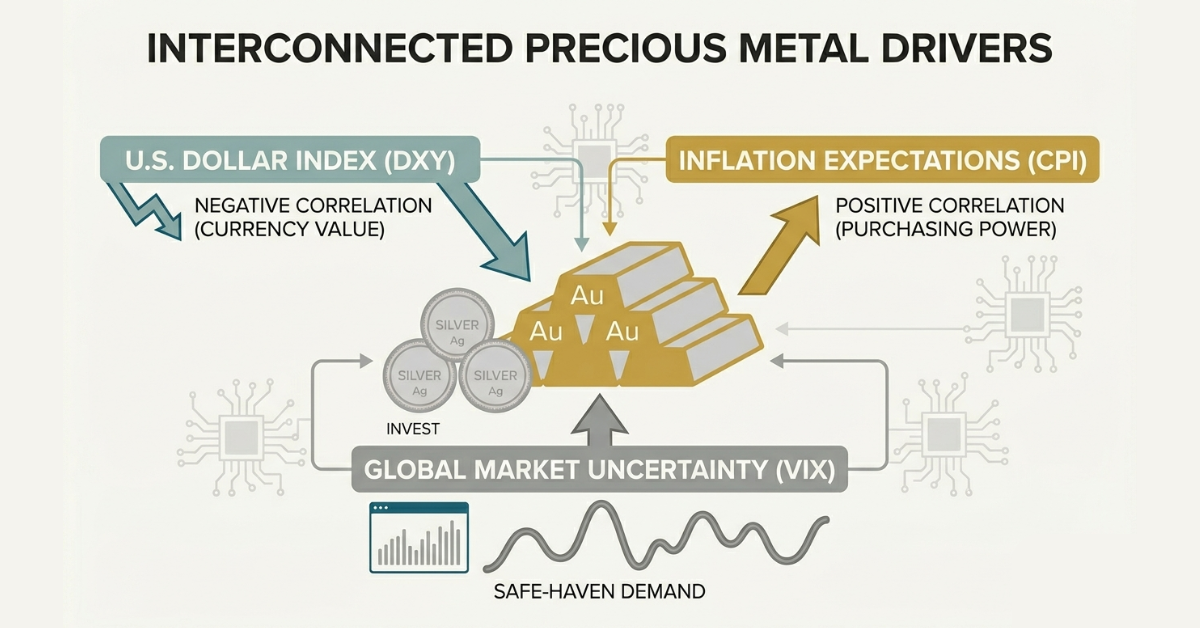
Gold is one of the most frequently traded commodities in the world, appealing to investors, institutions, hedge funds, and retail traders alike. The price is driven by a mix of economic data, interest rates, inflation predictions, geopolitical events, and the strength of the U.S. Dollar.
However, market activity is not consistent throughout the day. During certain hours, trading volume drops significantly, making price movements less reliable. During other periods, unexpected news can trigger sharp swings that are difficult to manage.
During Low-Liquidity Market Hours
When global trading activity is low, it is one of the worst times to trade gold, this usually happens after the New York session closes and before the Asian session picks up steam.
There are fewer market participants in these hours, so there is less liquidity and trading volume.
Lower liquidity can lead to:
- Wider bid-ask spreads
- Less predictable price movement
- Increased slippage
- False technical signals
Such conditions can also complicate execution and reduce the potential profitability for traders using short-term strategies, such as scalping.
During Major Market Holidays
Trading during a holiday can lead to unusual market conditions. When big financial hubs such as New York or London are closed, the market has fewer institutional traders. Low trading volume can increase the volatility of price movements, making technical analysis less reliable.
Examples include:
- Christmas
- New Year’s Day
- Good Friday
- Thanksgiving (U.S.)
- Boxing Day (UK)
Although some traders continue operating during these periods, many professionals reduce their trading activity until normal market participation returns.
Notice Box: Before trading around holidays, check your broker’s holiday trading schedule. Market hours and liquidity may differ from regular trading sessions.
Immediately Before Major Economic Announcements
Gold is typically very sensitive to major economic releases.
Some of the most important events are
- U.S. Non-Farm Payrolls (NFP)
- Federal interest rate decisions
- US CPI Inflation Announcements
- FOMC meeting minutes
- GDP releases
- Speeches of Federal Reserve Chairs
In the minutes before these announcements, many traders either cut their positions or stayed away from the market, as price movements can become very volatile.
Even if the market is finally heading in the expected direction, sudden spikes can trigger stop-loss orders before the wider trend has been established.
During Periods of Extremely High Volatility
More volatility means more opportunities, but also more risks.
Gold prices can move hundreds of pips in a short period due to unexpected geopolitical developments, banking crises, military conflicts or emergency central bank announcements.
Some of the experienced traders take advantage of these moves but a lot of beginners find it difficult to manage risk as the fast price changes make risk management more difficult.
Markets will often provide better quality trade setups when they settle down rather than chasing the volatility.
During Range-Bound Markets
Gold doesn’t trend all the time; there are periods when the price moves sideways within a narrow range for several hours or even days. During these consolidations, trend-following strategies often produce multiple false signals.
4 common characteristics of range-bound markets include:
- Small candlestick bodies
- Declining volatility
- Frequent reversals
- Lack of directional momentum
If your strategy performs best during trending markets, these periods may be better suited for waiting rather than actively trading.
Times when gold is usually most active
Knowing the worst times to trade also helps identify the best opportunities.
Gold generally experiences its highest trading volume when the London and New York sessions overlap.
| Trading Session | Activity Level | Suitable for Gold Trading |
| Asian Session | Moderate | Sometimes |
| London Session | High | Yes. |
| New York Session | High | Yes. |
| London-New York Overlap | Very High | Excellent |
| Late U.S. Session | Low | Usually Less Favorable |
During these active sessions, higher liquidity often results in tighter spreads, smoother execution, and stronger price trends.
Should Beginners Avoid Trading During News Events?
For many beginners, the answer is yes. Major news releases can create rapid price swings that are difficult to predict and manage. Even experienced traders sometimes choose to wait until volatility settles before looking for opportunities.
Waiting 15 to 30 minutes after an important announcement often allows the market to establish a clearer direction while reducing the likelihood of entering during erratic price spikes.
Trade Gold with Defcofx
Successful gold trading requires more than simply identifying price movements. Reliable execution, competitive spreads, and professional charting tools also play an important role.
Defcofx provides traders with the opportunity to trade gold (XAU/USD) on MetaTrader 5, offering spreads as low as 0.3 pips, no commission, leverage up to 1:2000, and withdrawals processed within four business days. Used in conjunction with strong technical analysis tools, traders can better prepare themselves for changing market conditions.
Open a Live Trading AccountFrequently Asked Questions
What is the worst time of day to trade gold?
Generally, the less optimum hours are during the late U.S. trading hours and low-liquidity hours when trading volume is lower and spreads may be wider.
Should I sell gold ahead of the non-farm payrolls?
Unless you’re using a specific news strategy, many traders will wait to see how the market reacts to the announcement before opening new positions.
Gold is not traded around the clock.
Gold is traded almost around the clock throughout the trading week, but market activity and liquidity vary by trading session.
Why Is Gold Volatile Around Federal Reserve Meetings?
Federal Reserve actions have an impact on interest rates and the U.S. dollar, and these have a major impact on gold prices.
What is the best time to trade gold?
Liquidity is generally highest, and trading opportunities are best during the London and New York sessions, especially when they overlap.
Is low liquidity bad for gold?
Lower liquidity can mean wider spreads, more slippage and less reliable price movements making it more difficult to trade for many strategies.
Can gold be traded successfully by beginners?
Yes. A novice can successfully trade gold by focusing on active market sessions, following a trading plan, using sound risk management and avoiding highly volatile news events until they become more experienced.
Final Thoughts
As a rule of thumb the worst times to trade gold are during periods of low liquidity, major market holidays, just before high impact economic announcements and times of extreme or unpredictable volatility.
Gold provides opportunities throughout the trading week, but the most successful traders know that patience and timing are key to long-term success. Traders can improve execution and decision making by focusing on active trading sessions, monitoring the economic calendar and avoiding adverse market conditions.