


Monday was one of the clearest examples all year of how quickly a geopolitical macro trade can reverse when the core assumption changes. The dollar came into the session carrying a sizable safe-haven premium because markets had been pricing the risk of an immediate new attack on Iranian energy infrastructure. That premium broke lower once President Donald Trump said he had asked the Department of Defense to postpone any strikes on Iranian power plants and energy infrastructure for five days. Reuters reported that the dollar plunged and stocks surged after that announcement, while broader global markets rallied on the idea that the conflict might not intensify as quickly as feared.
The move was reinforced by oil. Reuters reported that oil prices dropped roughly 11% to 13% on the day after Trump cited “productive” conversations with Tehran and postponed the threatened strikes, with Brent settling below $100 and WTI near $88. That mattered enormously for FX because the dollar’s March strength had been tied not only to safe-haven demand but also to the market’s belief that a prolonged energy shock would keep global inflation elevated and favor the U.S. relative to energy importers. When oil collapsed, that whole framework weakened at once.
EUR/USD
Technical Analysis
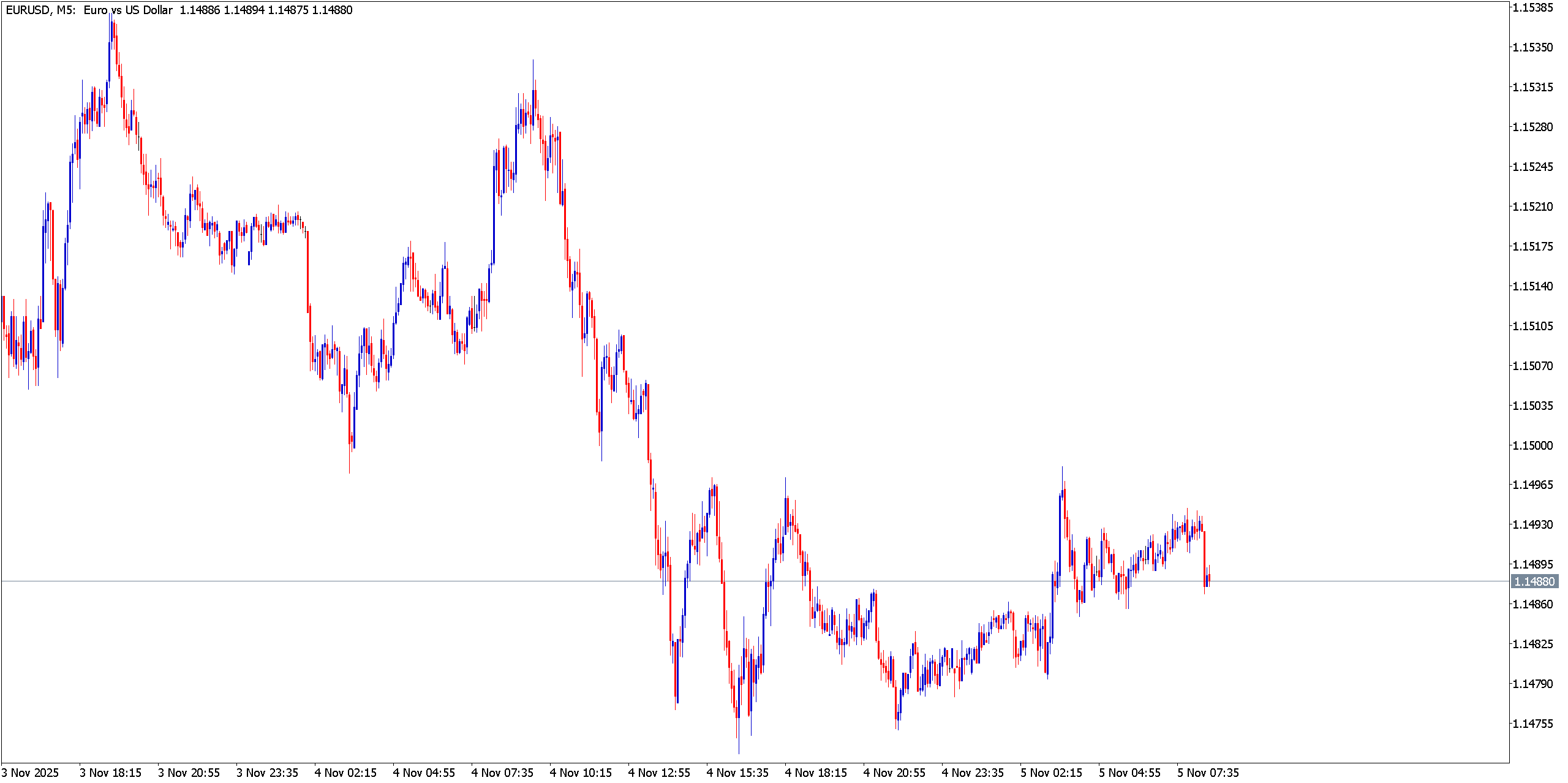
EUR/USD rebounded in a way that looked much more like forced unwinding than gradual trend rebuilding. The pair had been heavily pressured by the combination of war fears, higher oil, and the euro area’s energy vulnerability, so once the conflict appeared less likely to escalate immediately, the path of least resistance turned sharply upward. Technically, the important signal was not merely that the euro bounced, but that it did so against a dollar that was being sold broadly rather than selectively. That usually indicates a meaningful washout in positioning rather than a routine intraday retracement.
Fundamental Analysis
The euro benefited because the specific macro problem weighing on it, an escalating energy shock, suddenly looked less acute. Reuters reported that the dollar fell against most major currencies after Trump delayed strikes on Iran’s energy infrastructure, easing near-term supply-shock fears and slightly boosting risk assets. For EUR/USD, that was enough to drive a real rebound because the euro had been one of the most obvious losers from a prolonged oil-and-war scenario. The euro’s recovery on Monday did not mean Europe’s outlook had become strong; it meant one of its biggest immediate disadvantages had been temporarily reduced.
GBP/USD
Technical Analysis
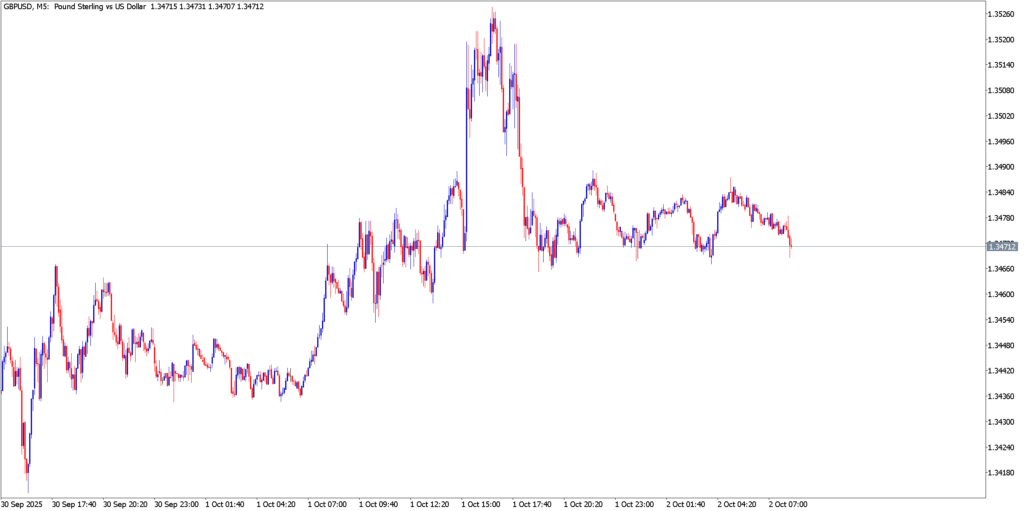
GBP/USD was one of the day’s stronger recovery vehicles because sterling had been badly hit into the session and therefore had more room for a sharp reversal once the dollar came off. Technically, the pair traded like a market in which short positions were being forced out rather than a market calmly re-pricing UK fundamentals upward. That distinction matters. The strength was real, but it came with the feel of an unwind rather than a clean new bullish trend leg.
Fundamental Analysis
Reuters reported that the pound rebounded sharply on Monday after Trump postponed strikes on Iranian power plants for five days, reversing some of the earlier pressure that had come from the threat of a deeper energy shock. Sterling was especially responsive because the UK had been trading as one of the major European currencies most vulnerable to oil-driven inflation and imported energy stress. Once the immediate threat eased, GBP/USD had room to rebound aggressively even without a fresh domestic catalyst.
USD/CAD
Technical Analysis
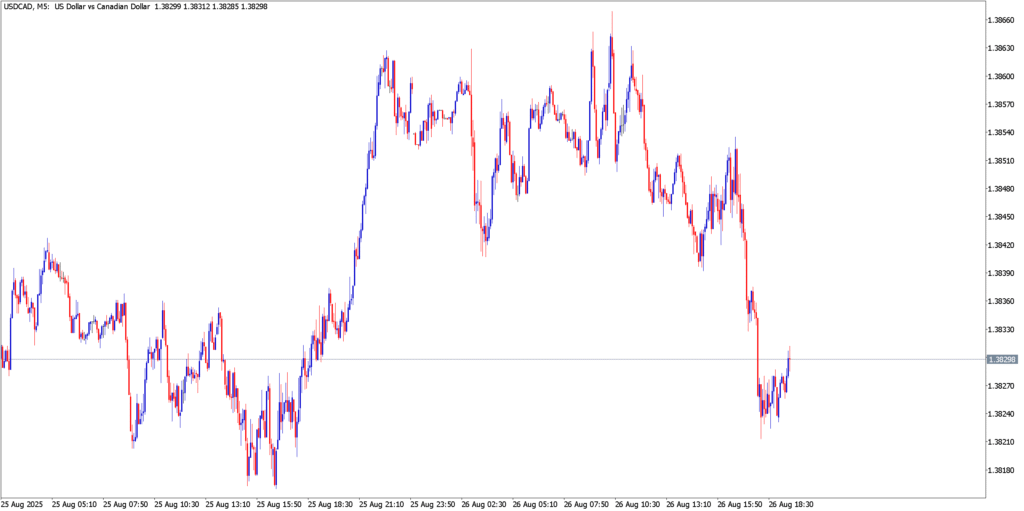
USD/CAD was unusually interesting because Monday forced the market to decide how much of the pair had been about broad U.S. dollar panic demand and how much had been about oil. Reuters reported that the Canadian dollar edged higher and recovered from an earlier two-month low as war gloom subsided. Technically, that left USD/CAD unstable rather than smoothly directional: the loonie had support from the fading USD panic premium, but oil was also falling sharply, which normally works against Canada. That tension kept the pair from being as clean a move as EUR/USD or GBP/USD.
Fundamental Analysis
The loonie’s behavior made macro sense. Canada benefits from higher oil in many environments, but what had been driving USD/CAD previously was not “oil up, CAD up.” It was “fear up, USD up faster.” Once the fear premium came out of the U.S. dollar, CAD could recover somewhat even though crude itself had fallen hard. Monday’s lesson from USD/CAD was that the pair was being driven first by geopolitical risk appetite and only second by the usual commodity linkage.
Market Outlook
By the end of Monday, the market had not rejected the broader idea that the Iran war mattered for FX. What it had rejected was the assumption that escalation was a one-way street. That mattered because it told traders the dollar’s war premium could unwind quickly if headlines softened, while currencies like EUR and GBP could recover sharply even without strong local data. USD/CAD, meanwhile, emerged as one of the week’s more nuanced pairs because it had to balance two conflicting forces: softer dollar sentiment and lower oil.
Check out our other forex market analysis: