


Tuesday was the first sign that Monday’s move had been more tactical than structural. Reuters reported that the dollar strengthened as investors dialed back expectations for a quick end to the Middle East conflict, reversing some of the optimism-fueled moves from the prior session. The Pentagon’s plan to send thousands of troops from the 82nd Airborne Division to the region reminded markets that even while talks were being discussed, the military buildup was still real. That was enough to restore part of the dollar’s haven bid.
The market response was not as violent as Monday’s reversal, but it was broad enough to show that the underlying macro regime still leaned in the dollar’s favor. Reuters reported that the dollar index rose to 99.42 after falling to a near two-week low on Monday, while the euro slipped back and the dollar advanced versus the yen. This was not a fresh macro panic, but it was a reminder that traders were not yet willing to price lasting peace into FX.
EUR/USD
Technical Analysis
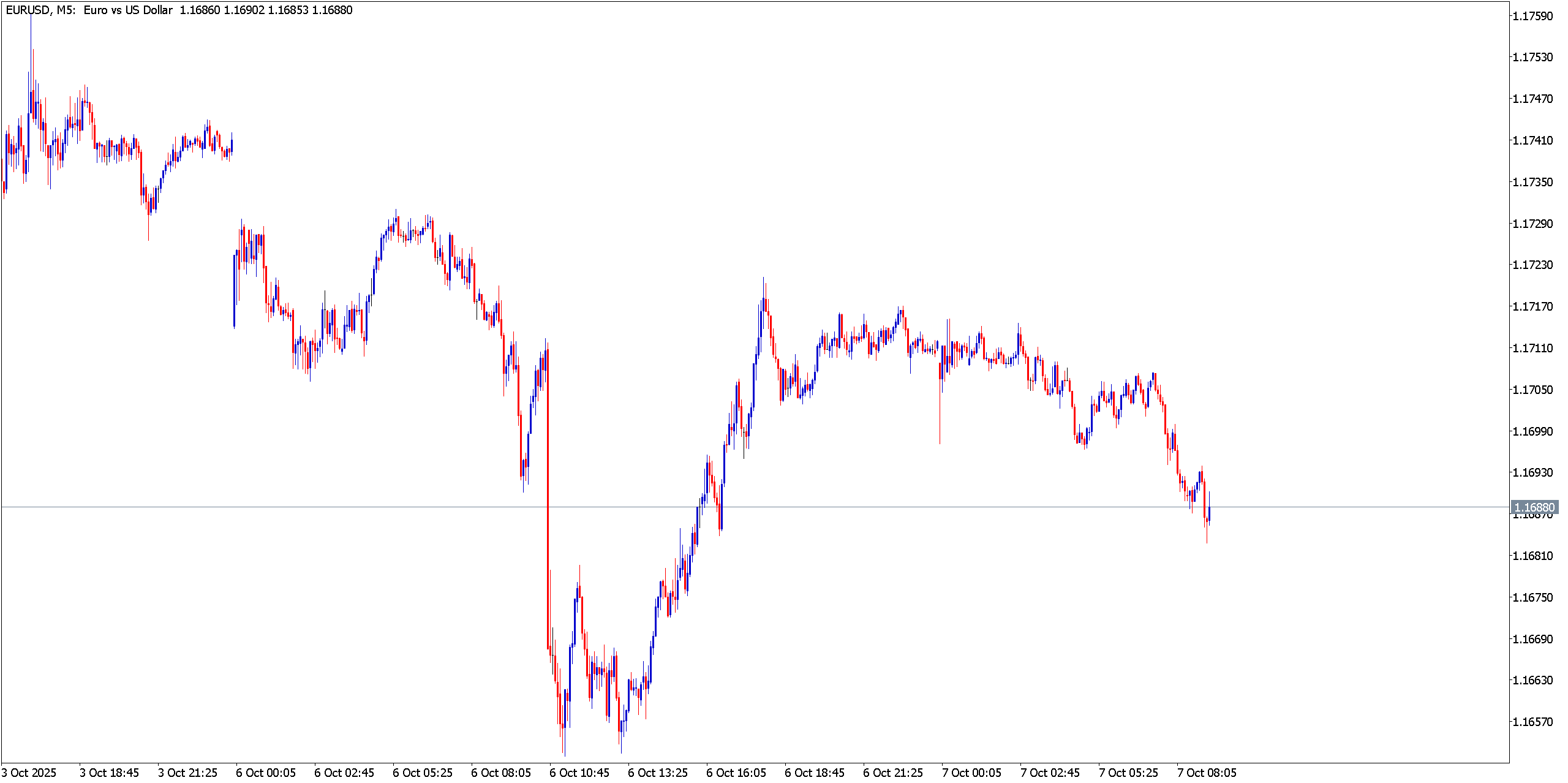
EUR/USD gave back part of Monday’s rebound, which is technically important because it suggests the prior move had not yet rebuilt durable bullish structure. The pair behaved like a market whose relief rally had run into an unchanged macro ceiling. In practical terms, that means euro upside still depended more on continued dollar weakness than on real euro strength. Once the dollar stabilized, EUR/USD began slipping back almost immediately.
Fundamental Analysis
Reuters reported that the euro fell 0.3% to $1.1584 after gaining 0.4% the previous session. That kind of reversal fits the broader story: Europe still faced the same energy vulnerability and inflation-growth tradeoff that had hurt it for weeks, and Monday’s gain had been mostly about improved sentiment rather than improved fundamentals. Once hopes of a quick conflict resolution faded, the euro again looked like a currency that would struggle to outperform in an uncertain, energy-sensitive environment.
USD/JPY
Technical Analysis
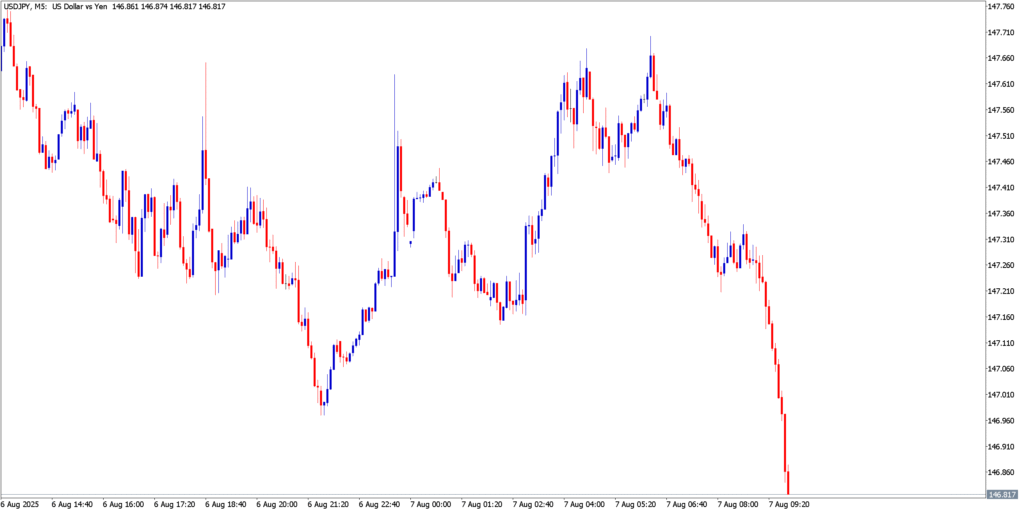
USD/JPY pushed higher again as the dollar regained some of its haven premium. Technically, the pair’s move mattered because it showed that Monday’s pullback had not done much damage to the broader bullish structure. Instead, it looked more like a shallow correction within an already-established uptrend. That tends to happen when the pair is being supported by both rates and macro stress rather than by speculative momentum alone.
Fundamental Analysis
Reuters reported that the dollar rose 0.3% against the yen to 158.98. The yen’s weakness reflected a familiar combination: Japan remained exposed to imported energy costs, while any renewed geopolitical concern restored demand for the dollar. That meant USD/JPY could rebound faster than many other pairs once the market decided Monday’s de-escalation optimism had gone too far. It was also a warning that the path toward 160 remained open unless Japanese officials materially changed the policy conversation.
USD/CAD

Technical Analysis
USD/CAD was one of the cleanest reversals on Tuesday because it captured how fast the market could revert to the “buy dollars first” framework. Reuters reported that the Canadian dollar hit a two-month low as geopolitics dominated trading. Technically, that is significant: the pair was able to rise even with oil prices still high, which signals that broad dollar demand was once again overpowering the usual commodity support for CAD.
Fundamental Analysis
Reuters reported that the loonie weakened to around 1.3784 per U.S. dollar even though oil rose 5.2% and had earlier reached a four-year high. The explanation was straightforward: safe-haven demand for the greenback outweighed the potential boost to Canada’s economy from higher energy prices. That left USD/CAD as one of Tuesday’s clearest indicators that the market still preferred the dollar when geopolitical uncertainty remained unresolved.
Market Outlook
Tuesday’s reversal showed that the burden of proof had shifted back onto the “peace scenario.” The market was willing to take some of the dollar premium out on Monday, but it was not yet willing to fully reprice the war lower. That kept the dollar structurally supported and restored EUR/USD, USD/JPY, and USD/CAD as credible trend expressions of renewed caution.
Check out our other forex market analysis: