


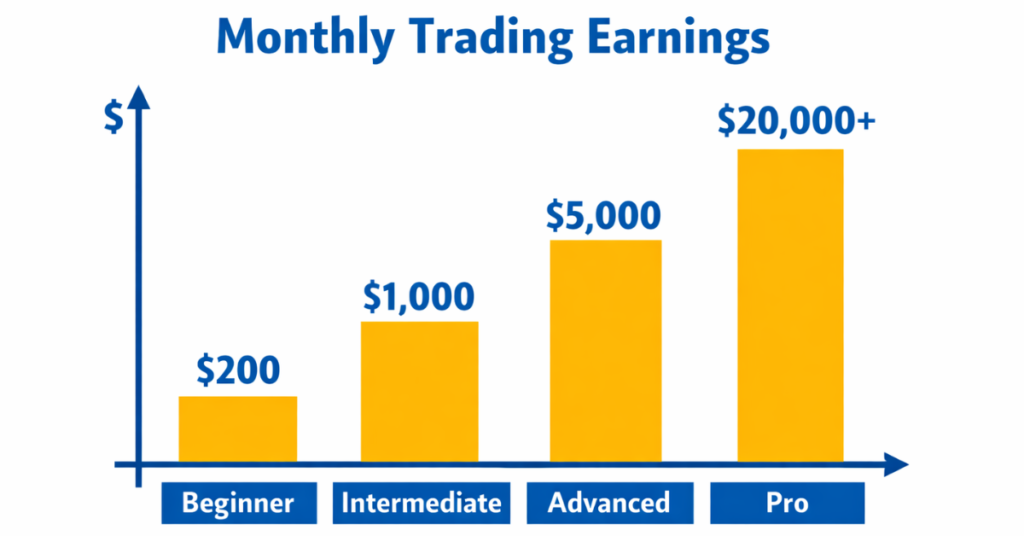
The amount you can earn from trading per month varies widely based on your capital, strategy, and experience. Beginners may earn a few hundred dollars, while experienced traders using higher leverage and disciplined risk management can earn thousands. Realistic expectations and proper strategy are key to consistent profits.
Key Takeaways
- Monthly trading earnings depend on capital, strategy, and experience.
- High leverage can increase profits but also amplifies risk.
- Bonuses and low-cost trading structures can improve efficiency.
- Fast withdrawals and global access make trading more convenient.
5 Factors That Determine Monthly Trading Earnings
How much a trader earns in a month is not fixed. It depends on several important factors that influence both potential profits and possible losses. Understanding these basics helps set realistic expectations — especially for beginners.
1. Trading Capital (How Much Money You Start With)
Your trading capital is the amount of money in your trading account.
In simple terms:
- A larger account allows you to trade bigger position sizes.
- Bigger positions can generate higher profits — but also larger losses.
- Smaller accounts usually grow more slowly because position sizes are smaller.
Example: If two traders both make a 5% return in a month, the one with $10,000 will earn more than the one with $1,000, even though the percentage gain is the same.
2. Trading Style (How You Trade)
Different trading styles affect how often you trade and how much you aim to earn per trade.
- Day Trading: Opening and closing trades within the same day. Many small opportunities.
- Swing Trading: Holding trades for several days to capture larger price moves.
- Scalping: Making many very quick trades for small profits each time.
Each style requires different skills, time commitment, and discipline.
3. Risk Management (How You Protect Your Money)
Risk management is how you control potential losses.
This includes:
- Using stop-loss orders (automatic exits to limit losses)
- Trading smaller position sizes
- Avoiding excessive leverage
Even profitable traders can lose money if they take too much risk. Protecting your capital is more important than chasing big gains.
4. Market Volatility (How Fast Prices Move)
Volatility refers to how much and how quickly prices move.
- High volatility can create more trading opportunities.
- But it also increases risk because prices move faster.
Beginners often struggle in highly volatile markets because price swings can be unpredictable.
5. Assets You Trade (What You Trade)
Different markets behave differently:
- Forex (currencies): High liquidity and steady movement.
- Stocks: Can move based on company news.
- Crypto: Highly volatile with larger price swings.
- Commodities (gold, oil): Influenced by global events and supply-demand changes.
Some markets offer higher potential returns, but usually with higher risk.h leverage trading, while stocks may provide more stability but smaller gains.
Average Earnings by Trader Experience
Monthly earnings in trading vary greatly depending on experience, strategy, and risk management. Here’s a realistic breakdown to give you a clearer idea:
1. Beginner Traders
- Typical Capital: $500 – $2,000
- Expected Monthly Earnings: $100 – $500
- Example: A beginner deposits $1,000 and trades forex with a conservative approach. Using small positions and strict risk management, they might earn around $200 in a month, keeping losses minimal.
2. Intermediate Traders
- Typical Capital: $2,000 – $10,000
- Expected Monthly Earnings: $500 – $3,000
- Example: An intermediate trader with $5,000 capital trades forex and crypto using swing trading strategies. With disciplined risk management and occasional use of leverage, they can realistically earn $1,500 in a month.
3. Experienced / Professional Traders
- Typical Capital: $10,000+
- Expected Monthly Earnings: $3,000 – $15,000+ (varies by market conditions and risk tolerance)
- Example: A professional trader with $20,000 capital trades forex and crypto using high leverage (up to 1:2000). They execute multiple trades per week with strict stop-loss rules. In a stable month, they could make $8,000, but in volatile months, profits could exceed $12,000 or face higher losses if markets swing unexpectedly.
Table: Typical Monthly Earnings by Experience
| Trader Level | Capital Range | Typical Monthly Profit | Trading Style |
| Beginner | $500 – $2,000 | $100 – $500 | Small positions, low risk |
| Intermediate | $2,000 – $10,000 | $500 – $3,000 | Swing trading, moderate risk |
| Experienced | $10,000+ | $3,000 – $15,000+ | High leverage, multiple assets |
How Leverage Affects Your Profits
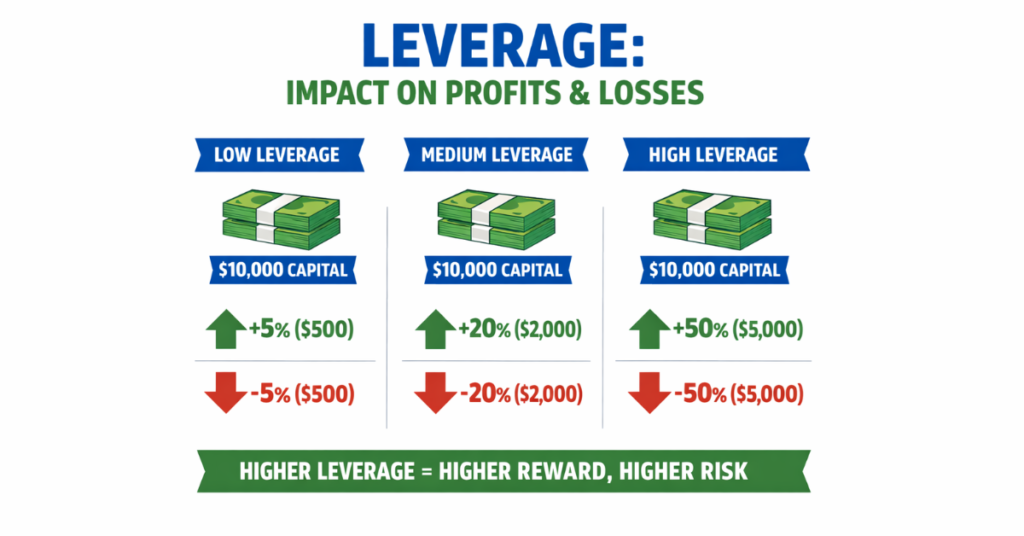
Leverage is a powerful tool that allows traders to control larger positions with smaller capital, potentially increasing monthly earnings. However, it also amplifies risks, making proper understanding and risk management essential.
What Is Leverage?
Leverage lets you trade with borrowed capital from your broker. For example, with 1:200 leverage, you can trade $20,000 worth of assets with just $100 of your own money.
Defcofx offers high leverage options up to 1:2000, giving traders more flexibility to scale their positions and potentially increase profits.
Examples of Leverage Impact
1. Small Capital Example
- Capital: $500
- Leverage: 1:100
- Trade size: $50,000 worth of forex positions
- Profit potential: 2% gain on $50,000 = $1,000, which is 2x your capital
2. High Leverage Example
- Capital: $1,000
- Leverage: 1:2000 (Defcofx option)
- Trade size: $2,000,000
- Profit potential: 0.5% gain = $10,000 in a single month
Key Takeaways About Leverage
- Amplifies both profits and losses.
- Beginner traders should start with lower leverage to manage risk.
- Experienced traders can use higher leverage like 1:2000 to maximize potential returns while applying strict risk management.
Impact of Trading Costs on Earnings
When you trade, you always pay a small cost.
This cost can be:
- Spread (the small difference between buy and sell price)
- Commission (a fee per trade)
- Swap fee (a charge for holding trades overnight)
Even small costs matter.
Why This Matters
- More trades = more fees
- Bigger spreads = smaller profits
- Small accounts feel costs more
If your account is small, even a few extra dollars per trade can make a big difference.
Different Markets Have Different Costs
- Forex → usually lower costs
- Stocks → often charge commissions
- Crypto → can have higher spreads
Simple Rule
Lower trading costs = more money stays with you.
Always check fees before choosing where to trade.
Risks and Warnings for Traders
While trading offers the potential for significant monthly earnings, it is inherently risky. Market volatility, unexpected economic events, and price swings can quickly turn profitable trades into losses. Understanding these risks and applying disciplined strategies is essential for sustainable earnings.
Over-leveraging is one of the most common causes of large losses. While high leverage can amplify profits, it can equally magnify losses, sometimes exceeding the initial capital. Beginners and even intermediate traders should carefully consider their leverage level and never risk more than they can afford to lose.
Another key risk is unrealistic expectations. Many new traders assume that high monthly profits are guaranteed, but in reality, earnings fluctuate with market conditions and personal skill level. Focusing on consistency and long-term growth rather than short-term gains is a more reliable approach to trading success.
High leverage can increase both profits and losses dramatically.
Start small, manage risk, and set realistic monthly earning goals.
Bonuses That Can Boost Your Trading Capital
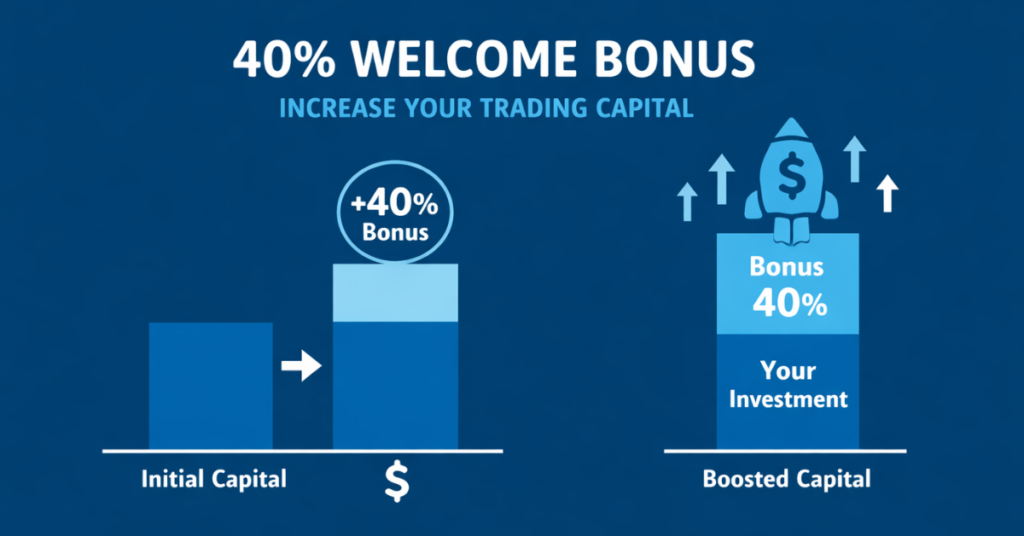
Bonuses can significantly enhance your trading potential, especially for traders starting with limited capital. By increasing your available funds, bonuses allow you to take larger positions or manage risk more effectively, which can lead to higher monthly earnings.
It’s important to understand the terms of the bonus. Most brokers, including Defcofx, require a minimum deposit in this case, $1,000 to qualify. Bonuses aren’t free cash but act as leverage for smarter trading, helping traders maximize their returns while following a disciplined strategy.
For intermediate and experienced traders, combining bonuses with effective risk management can amplify earnings without unnecessarily increasing exposure to losses.
Deposit: $2,000
Bonus: $800
Total Trading Capital: $2,800
Potential Monthly Profit (conservative 5% gain): $140
Fast Withdrawals and Customer Support
Access to funds and reliable support can significantly impact a trader’s experience and confidence. Even if a trader generates profits, delays in withdrawal or poor support can create frustration and disrupt trading plans. Fast withdrawals ensure that your earnings are immediately available for reinvestment or personal use, while responsive customer support helps resolve issues before they affect trading decisions.
Imagine a trader makes $1,500 profit in one month. If withdrawals are processed quickly, they can reinvest sooner and react to new opportunities without waiting days.
With Defcofx, withdrawals are processed within 4 business hours, including weekends, helping traders maintain liquidity and flexibility.
This can be especially helpful for high-frequency or leveraged trading, where timing can affect results.
Customer support is equally important. Traders may face questions regarding deposits, platform issues, or trade execution. Having a broker that provides fast, reliable support reduces downtime and ensures smoother trading operations. Defcofx provides dedicated support channels to address these needs efficiently.
Final Thoughts on How Much Can I Earn From Trading per Month?
Earning money from trading per month depends on several factors, including capital, trading strategy, risk management, and market conditions. Beginners may see modest profits while learning the markets, intermediates can achieve steady gains, and experienced traders using higher leverage can potentially earn substantial profits. However, high earnings come with higher risks, making discipline and realistic expectations essential for long-term success.
FAQs
Yes, but it depends on your capital, experience, and risk management. Experienced traders using higher leverage and disciplined strategies can reach such earnings, but beginners should expect smaller, consistent profits while learning the market.
Absolutely. Leverage allows you to control larger positions with smaller capital, amplifying potential profits. However, it also increases risk, so using tools like 1:2000 leverage responsibly is crucial to avoid significant losses.
Beginner traders with small capital may earn $100–$500 per month depending on strategy and market conditions. The focus should be on learning, consistency, and preserving capital rather than chasing high profits.
Yes, trading bonuses such as Defcofx’s 40% Welcome Bonus are designed to boost your trading capital. They are safe when used responsibly and allow traders to maximize opportunities without increasing personal risk.
With brokers offering fast processing like Defcofx, withdrawals are completed within 4 business hours, including weekends. Quick access to funds allows traders to reinvest, manage risk, and maintain liquidity.