


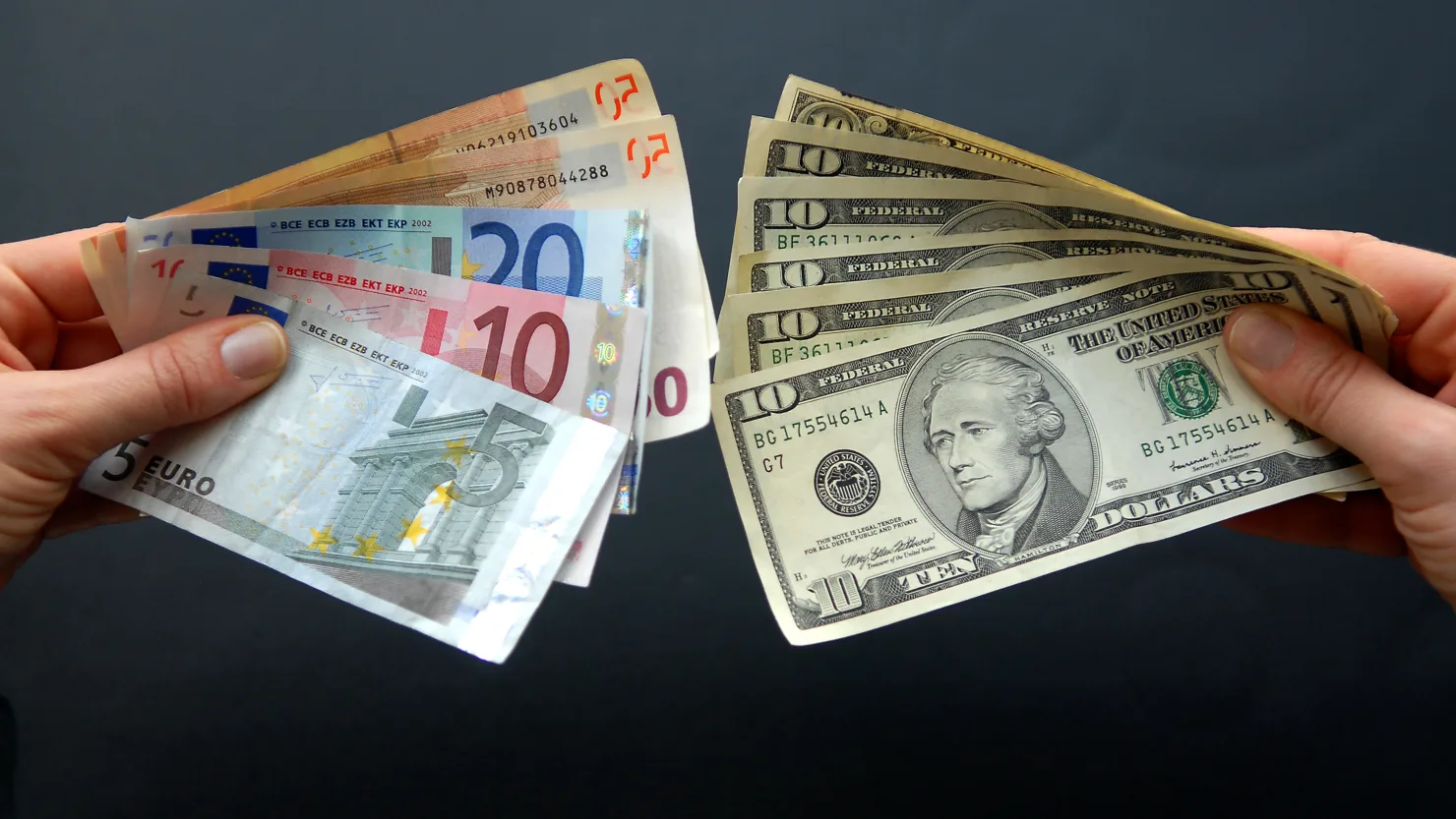
The country whose currency has the highest value per unit is Kuwait. The Kuwaiti Dinar (KWD) is worth more than any other single unit of currency in global exchange rate terms.
Key Takeaways
- The Kuwaiti Dinar (KWD) holds the highest face value of any currency unit.
- Other top‑valued currencies include the Bahraini Dinar (BHD) and Omani Rial (OMR).
- A high exchange value doesn’t necessarily mean a stronger economy; peg systems, oil wealth, and monetary policy play large roles.
- Value per unit is different from purchasing power or global currency strength.
- Traders and analysts track high‑value currencies to understand economic fundamentals and currency peg frameworks.
Why the Kuwaiti Dinar Takes the Top Spot
The Kuwaiti Dinar is considered the highest‑valued currency unit in the world. One KWD is worth approximately $3.20 USD (or even more depending on daily exchange rates), which places it well ahead of other currencies.
Several reasons underpin this strength:
- Kuwait is a major oil‑exporting nation with large reserves; oil revenues boost fiscal capacity and currency demand.
- The Kuwaiti monetary authorities peg the dinar to a basket of currencies rather than solely the U.S. dollar, offering greater flexibility and stability.
- Kuwait has low inflation and prudent fiscal policy, which support currency value and investor confidence.
Hence, when people ask, “Which country has the highest currency?” Kuwait is the correct answer in terms of unit value.
What Highest Currency Really Means
It’s important to clarify what highest currency means in this context. A few things to consider:
- Unit value: A high value per unit (like 1 KWD ≈ $3 USD) is different from being “strong” in all senses.
- Purchasing power: A currency may have high nominal value but still have weaker domestic purchasing power due to cost of living or internal inflation.
- Peg and policy context: Some currencies are kept high via pegs or narrow currency bands. This may not reflect broader economic strength but rather policy choice.
Other High‑Value Currencies Around the Globe
While Kuwait remains at the top, several other countries also have currencies with high unit value. Here’s a table summarizing some of the top currencies by unit value:
| Rank | Currency | Country | Approximate USD Value per Unit |
| 1 | Kuwaiti Dinar (KWD) | Kuwait | ~$3.20+ USD |
| 2 | Bahraini Dinar (BHD) | Bahrain | ~$2.65 USD |
| 3 | Omani Rial (OMR) | Oman | ~$2.60 USD |
Info Box: High unit value isn’t the same as being the most widely used, most stable, or most traded currency. For example, the U.S. Dollar (USD) remains the world’s primary reserve currency despite not having the highest per‑unit value.
Why Currency Value Matters for Traders and Investors
Understanding which currencies have the highest value per unit can help traders in multiple ways:
- Forex trading: Knowing which currencies are pegged or high‑value helps assess risk and strength in currency pairs.
- Macro awareness: A high‑value currency often signals certain economic characteristics like oil dependence, strong reserves, low inflation, etc.
- Risk management: Currencies with small domestic economies or narrow peg frameworks may carry different risk profiles than major currencies like the USD or EUR.
Common Misconceptions About Currency Strength
Many people mistakenly think a currency worth more dollars per unit is the strongest or best currency. That’s not always the case. A few clarifications:
- A currency may be high‑valued but have limited global use or liquidity.
- A strong economy does not always mean a high per‑unit value; for instance, many countries with very strong currencies still trade at lower unit values due to relative scale, inflation or policy decisions.
- The dynamics of exchange rates involve inflation, interest rates, capital flows, and monetary policy, not simply the numeric value of a single unit.
Final Thoughts: Which Country Has the Highest Currency
So, answering the question of which country has the highest currency, that answer is Kuwait, with the Kuwaiti Dinar leading the rankings in unit value. However, currency value is multi‑dimensional. For traders, investors, and currency enthusiasts, the real focus should be on fundamentals: stability, demand, reserves, policy, and the broader context.
Whether you’re trading currency pairs or analyzing global macro trends, recognizing high‑value units like the Kuwaiti Dinar helps sharpen your perspective, and with a broker like Defcofx, you can explore the dynamics of global currencies with low spreads and fast execution.
Open a Live Trading AccountFAQs
Yes, in terms of unit value per currency, the Kuwaiti Dinar (KWD) is the highest globally. However, “strongest” can mean many things beyond just unit value.
Because of Kuwait’s large oil reserves, prudent fiscal management, low inflation, and its currency peg strategy, which combine to support a high unit value.
Not necessarily. A high unit value is a piece of the puzzle but doesn’t always reflect global reserve status, liquidity, or economic influence.
The U.S. dollar is the most widely used and held reserve currency, but it’s not the highest in unit value per se. It still plays the dominant global role.
Yes. Shifts in policy, economic structure, or currency pegs can change unit value. But such changes are often gradual and tied to major economic shifts.
Traders can assess currency strength, peg risks, export dependencies, and economic fundamentals by studying these high‑value currencies, which is helpful for both forex and macro‑analysis.
Defcofx Forex Articles You Shouldn’t Miss
Discover powerful forex strategies in these top reads from Defcofx.