


Friday gave the week a very clear ending: the dollar finished strong because traders did not want to go into the weekend underexposed to the safe-haven currency. Reuters reported that the dollar rose and was on course for its strongest monthly gain in almost a year, buoyed by safe-haven demand as the Middle East war intensified and hopes for de-escalation faded. Weekend risk was a visible part of the trade too, with strategists telling Reuters that investors were thinking hard about what they wanted to be long or short when markets would be closed.
This mattered because it showed that even when diplomacy had not completely collapsed, it had not improved enough to persuade traders to abandon dollar exposure. Reuters also reported that U.S. consumer sentiment fell to a three-month low in March, but that did little to hurt the greenback because war-driven oil and inflation concerns remained the dominant story. By Friday, the dollar was no longer just being bought on fear. It was being bought because markets still judged the U.S. to be better positioned than Europe, the UK, or Japan in a prolonged energy shock.
USD/JPY
Technical Analysis
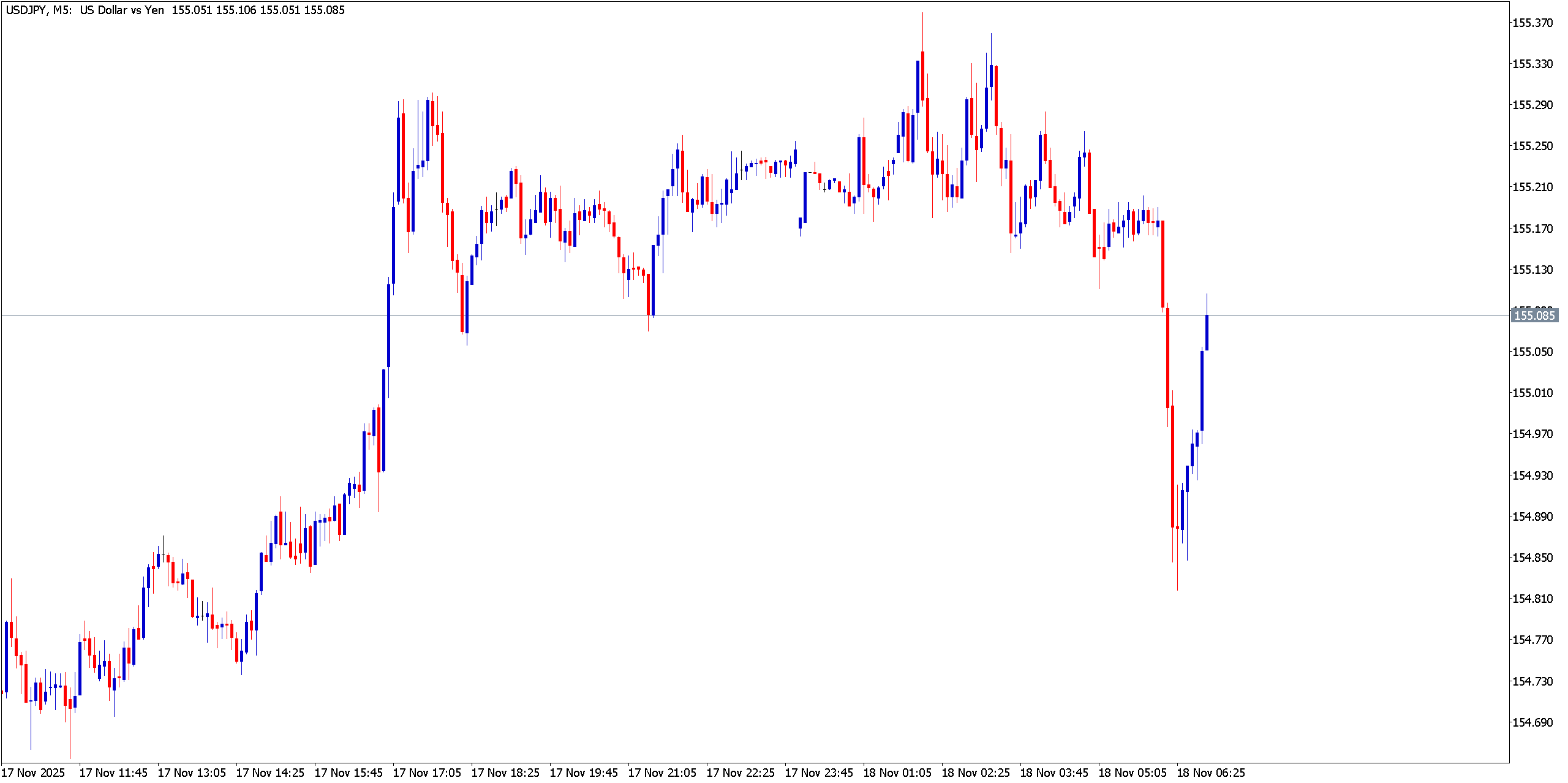
USD/JPY was the standout pair of the day. Reuters reported the yen fell to 160.35 per dollar, crossing 160 for the first time since July 2024. Technically, crossing a level like that is important not simply because it is round and psychological, but because it becomes political. The pair was no longer just a rates trade; it was now a market trading through a zone associated with prior intervention. That tends to create a strange mixture of momentum and fragility: the trend looks strong, but everyone knows the reaction function of policymakers matters more than usual.
Fundamental Analysis
Reuters made clear why the yen was particularly weak. Japan’s heavy reliance on imported energy left it more exposed to higher prices than many major economies, while at the same time Japanese bond yields had risen after the BOJ published new neutral-rate estimates that signaled policymakers were prepared to raise rates to counter inflation. Paradoxically, even that did not help the yen much, because the broader driver remained stronger U.S. dollar demand under geopolitical stress. That is what made USD/JPY so important on Friday: it captured the interaction between war, energy inflation, relative rates, and intervention risk in one pair.
GBP/USD
Technical Analysis
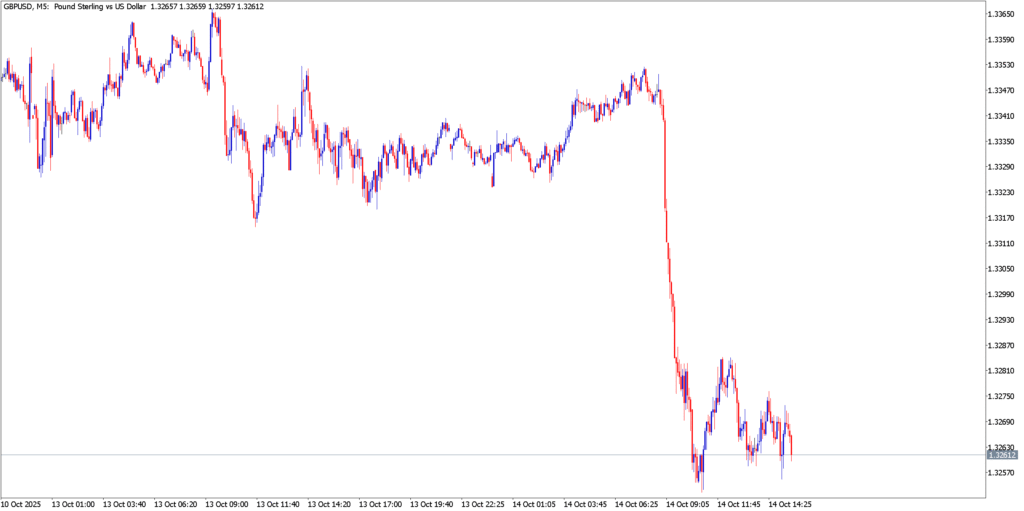
GBP/USD weakened for a fourth straight session, which is the sort of pattern that usually reflects more than intraday noise. Technically, the pair looked like it was completing the week in a firmly defensive posture. Every recovery attempt had become shallower, and the sequence of lower closes suggested a market that no longer wanted to give sterling the benefit of the doubt.
Fundamental Analysis
Reuters reported sterling fell 0.48% to $1.3268 and separately noted that the pound was headed for its biggest monthly loss against the dollar since October, even though it had outperformed some other majors since the war began. That paradox is revealing. UK rate expectations had become more hawkish, but the market still saw the pound as vulnerable because higher energy prices, weaker growth, and tighter financial conditions are not a healthy mix for the UK. Sterling therefore remained one of the market’s more straightforward ways to express confidence in the dollar’s staying power.
USD/CAD
Technical Analysis
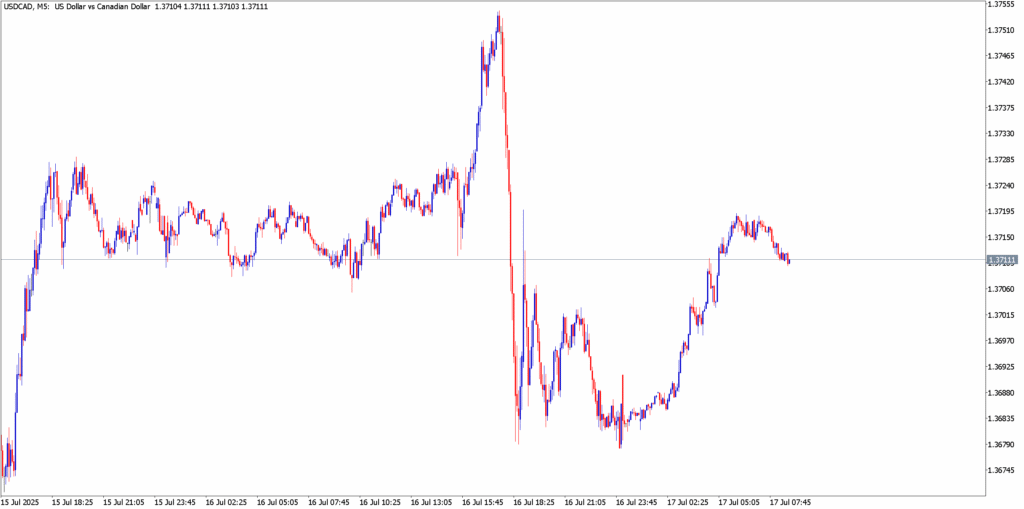
USD/CAD ended the week bid, with Reuters reporting the loonie weakened to a two-month low at around 1.3875 and was on track for its third straight weekly decline. Technically, the important point was not the size of the Friday move, but the persistence of the weekly trend. The pair had become one of the week’s quietest but most dependable dollar-strength expressions.
Fundamental Analysis
Reuters quoted Scotiabank strategists saying the primary influence on CAD remained the broader market environment and investors’ continued demand for the relative safety of the U.S. dollar. That is exactly what the whole week showed. Even when oil could have helped Canada, the loonie struggled because markets kept returning to the same hierarchy: if uncertainty was still unresolved, the dollar remained the more attractive place to hide. That kept USD/CAD elevated into the weekend.
Market Outlook
By the close on March 27, the weekly picture had become much clearer than it looked at the start. Monday’s pause in strikes had triggered a sharp unwind in dollar strength, but the unwind never evolved into a durable anti-dollar trend. As the week progressed, the market repeatedly returned to the same conclusion: until diplomacy produced something concrete, the dollar still held the strongest macro hand. That left USD/JPY as the most politically charged pair, GBP/USD as one of the cleaner downside expressions, and USD/CAD as a steady confirmation that safe-haven dollar demand was still beating the commodity story.
Check out our other forex market analysis: