


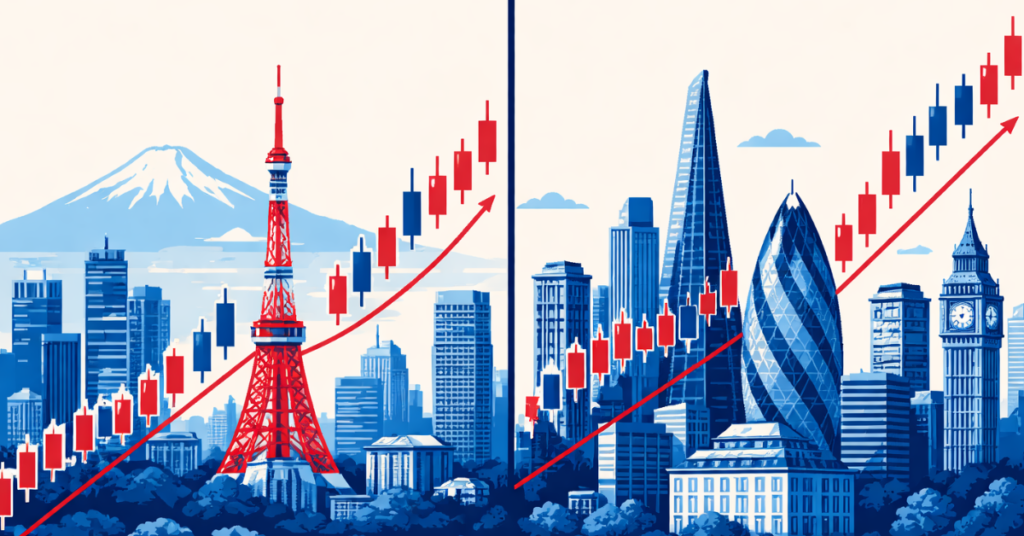
The London session is generally better for traders who want higher volatility, stronger price movements, and more opportunities. The Tokyo session suits beginners and traders who prefer stable, lower-risk conditions. Neither is universally superior. The right choice depends on your strategy, experience, and risk tolerance.
Key Takeaways
- The Tokyo session (Asian session) is calmer, with lower volatility and more predictable price behavior, making it suitable for beginners and range traders.
- The London session (European session) offers the highest liquidity and volatility in the global forex market, creating stronger opportunities but also higher risk.
- There is no universally “best” session. Profitability depends on your strategy, risk management, and trading style.
- The Tokyo–London overlap is one of the most underrated windows for trading, as volatility begins picking up before the full London session opens.
- Choosing the right session should match your schedule, skill level, and how much market movement you can handle.
What Are Forex Trading Sessions?
The forex market runs 24 hours a day, five days a week, but market behavior changes significantly depending on which financial center is active. These active windows are called trading sessions, and they directly affect volatility, liquidity, and the types of strategies that work best.
The four major sessions are Sydney, Tokyo, London, and New York. For this comparison, we focus on two that represent opposite ends of the market spectrum:
- Tokyo Session (Asian Session): Represents early market activity. Generally slower and more stable.
- London Session (European Session): The most active period globally, with high trading volume and sharp price movements.
Forex Trading Session Times (UTC)
Knowing when each session opens and closes is the first step to planning your trades. Below are the standard session hours in UTC, which remain consistent outside of daylight saving adjustments:
| Session | Open (UTC) | Close (UTC) |
| Sydney | 10:00 PM | 7:00 AM |
| Tokyo | 12:00 AM | 9:00 AM |
| London | 8:00 AM | 5:00 PM |
| New York | 1:00 PM | 10:00 PM |
The Tokyo–London overlap runs approximately from 8:00 AM to 9:00 AM UTC, and the London–New York overlap from 1:00 PM to 5:00 PM UTC. These overlap windows are typically the most active periods of the trading day.
Tokyo Trading Session Explained (Asian Session)
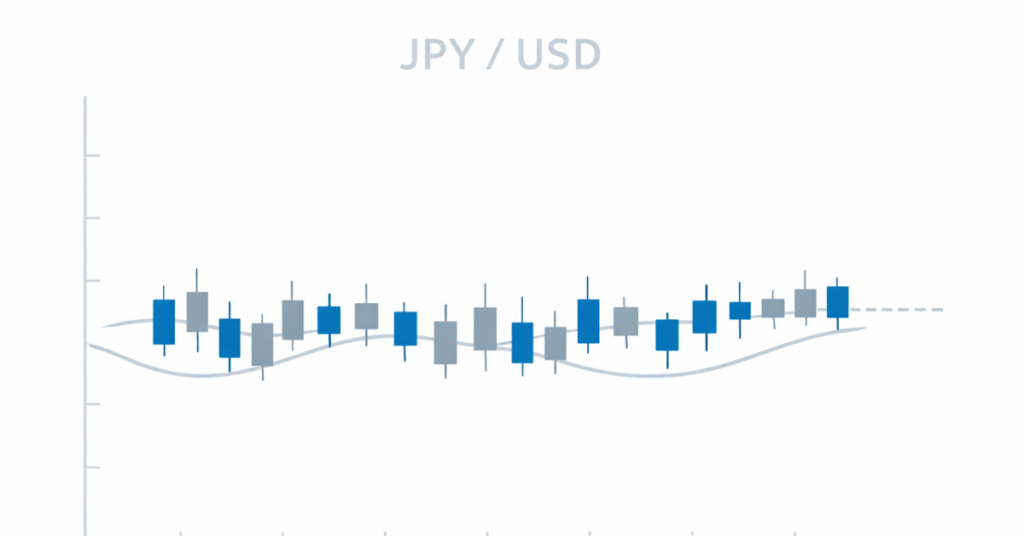
The Tokyo session is the first major trading session of the global day. It is dominated by Japanese financial institutions, Australian and New Zealand banks, and Asian exporters. Compared to London, price movements are slower and more contained, making it a structured environment for certain types of traders.
Key Characteristics of the Tokyo Session
- Lower volatility with smaller average pip movements per session
- More predictable, range-bound market behavior
- Strong influence from Japanese economic data (Bank of Japan decisions, CPI, trade balance)
- Limited participation from large European and US institutions
Best Currency Pairs for the Tokyo Session
Pairs involving Asian-Pacific currencies tend to be most active and have tighter spreads during this period:
- USD/JPY, EUR/JPY (Japanese yen pairs most liquid)
- AUD/USD (Australian dollar sees strong volume)
- NZD/USD (New Zealand dollar also active)
Pros and Cons of the Tokyo Session
Pros:
- Stable market conditions with lower emotional pressure
- Lower risk of sudden, unexpected price spikes
- Easier for beginners to observe price behavior and practice risk management
Cons:
- Fewer breakout opportunities
- Smaller profit potential due to lower pip range
- Slower pace may not suit scalpers or momentum traders
London Trading Session Explained (European Session)
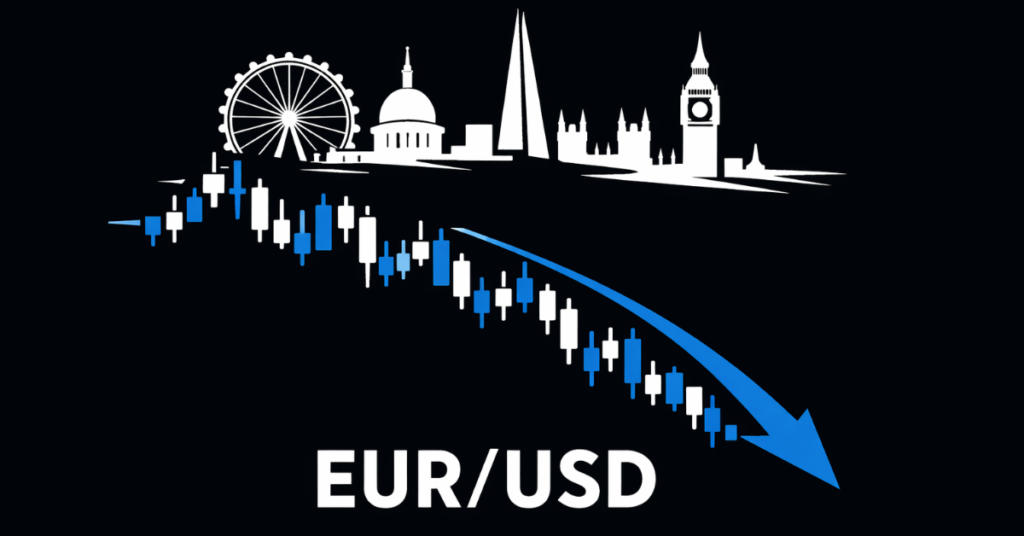
The London session is the largest and most liquid forex trading window in the world. It accounts for the highest share of daily forex turnover and is where most major market trends are established. If you want strong directional moves, this is where they happen.
Key Characteristics of the London Session
- Highest liquidity of any session globally
- Strong volatility driven by institutional order flow
- Most major forex trends begin or accelerate during London hours
- Overlaps with both Tokyo (early) and New York (later), compounding volume
Best Currency Pairs for the London Session
Euro and pound-based pairs dominate during London hours:
- EUR/USD (highest daily volume globally)
- GBP/USD (strong moves around UK economic data)
- EUR/GBP (direct European cross)
- USD/CHF (Swiss franc active with European participation)
Pros and Cons of the London Session
Pros:
- High profit potential from strong directional price movements
- Excellent liquidity for fast, reliable trade execution
- Ideal for breakout and trend-following strategies
Cons:
- Higher risk due to sharp, fast-moving volatility
- Price reversals can be sudden and aggressive
- Requires strong risk management and position sizing discipline
Tokyo vs London Session: Direct Comparison
| Feature | Tokyo Session | London Session |
| Volatility | Low | High |
| Liquidity | Moderate | Very High |
| Market Speed | Slow and steady | Fast and directional |
| Best Strategy | Range trading, mean reversion | Breakouts, trend following |
| Risk Level | Lower | Higher |
| Profit Potential | Limited but more predictable | Higher but less forgiving |
| Best Pairs | JPY, AUD, NZD pairs | EUR, GBP, CHF pairs |
| Trader Type | Beginners, conservative traders | Experienced, active traders |
Forex Session Volume Statistics
To understand why the London session dominates, it helps to look at how global forex volume is distributed across sessions. These figures are based on data from the Bank for International Settlements (BIS) and are widely referenced across the forex industry:
- The global forex market trades over $7.5 trillion per day on average, making it the largest financial market in the world.
- The London session accounts for approximately 38–43% of total daily forex volume, more than any other single session.
- The Tokyo session accounts for roughly 6–8% of daily volume, reflecting its comparatively quieter nature.
- The London–New York overlap (approximately 1:00 PM to 5:00 PM UTC) is consistently the highest-volume trading window of the day.
- EUR/USD alone accounts for roughly 22–24% of all daily forex transactions, and it is most active during London hours.
Which Session Is More Profitable?
There is no fixed answer. Profitability depends more on strategy, discipline, and risk management than the session itself. That said, each session offers a different type of profit opportunity.
The Tokyo session produces smaller, more contained moves. Traders using range strategies can find consistent setups, but individual trades tend to offer smaller pip gains.
The London session offers larger moves due to higher institutional volume and economic news catalysts. Breakout traders and trend followers tend to find more high-reward setups here, but losses can accumulate just as fast without proper risk controls.
Bottom line: London offers more raw opportunity. Tokyo offers more consistency. Neither is better without context.
Best Forex Session for Beginners
For beginners, the Tokyo session is usually the better starting point. Slower price action gives new traders more time to analyze setups, make decisions, and understand how the market behaves, without the pressure of fast-moving conditions.
Why Tokyo Session Works for Beginners
- Market moves slowly enough to observe and learn price action in real time
- Fewer sudden price spikes reduce the chance of unexpected losses
- Support and resistance levels hold more reliably in range-bound conditions
- Less emotional pressure compared to fast London conditions
When to Move Into London Session Trading
- After you have a consistent understanding of basic price action and chart reading
- Once you have developed and tested a defined risk management approach
- When you are comfortable placing and managing trades in faster market conditions
If you are still learning and want to practice in real market conditions without financial risk, opening a demo account is the right first step. Defcofx offers a free demo account on MetaTrader 5 where you can trade both sessions with live market data and zero capital at risk.
Open a Free Demo AccountVolatility and Liquidity: Why London Dominates
Two market forces determine how well a session suits your strategy: volatility and liquidity.
- Volatility refers to how strongly and quickly prices move. High volatility means bigger swings, more opportunity, and more risk.
- Liquidity refers to how easily trades are executed at the expected price. High liquidity means tighter spreads and faster fills.
London dominates on both fronts. Major European banks, hedge funds, and institutional traders all enter the market during London hours, driving up volume and triggering the sharp price movements that active traders look for. Add in economic releases from the Eurozone and UK, and you have a session that consistently generates tradable setups.
Session Behavior Summary
- Tokyo: Slow, range-bound, more predictable, lower spread on JPY and AUD pairs
- London: Fast, directional, trend-driven, tighter spreads on EUR and GBP pairs
The Tokyo–London Overlap: A Hidden Trading Window
One of the most overlooked trading opportunities is the brief overlap between the Tokyo and London sessions, roughly from 8:00 AM to 9:00 AM UTC. During this window, Asian traders are still active while European institutions start entering the market.
What Happens During This Overlap?
- Liquidity starts rising as European order flow enters
- Price often breaks out of the range built during the Tokyo session
- Early directional signals for the London session begin to form
- Momentum picks up before the full London open
Many breakout traders specifically watch the Tokyo session range and use the London open as their entry trigger when price breaks above or below it. This is a well-established setup used across multiple trading strategies.
Tokyo vs London Transition in Simple Terms
- Tokyo builds the structure (range, consolidation)
- London breaks the structure (trend, expansion)
Trading Costs and Execution Across Sessions
Spreads and execution quality are not constant throughout the day. They change based on session liquidity, and this directly affects your trading costs, especially if you are a scalper or intraday trader.
During the Tokyo session, spreads on JPY, AUD, and NZD pairs are generally competitive because these are the most liquid pairs in that window. However, spreads on EUR and GBP pairs may widen slightly due to lower European participation.
During the London session, EUR/USD and GBP/USD typically see their tightest spreads of the day due to peak liquidity. This makes the London session cost-efficient for trading these pairs, provided you factor in the higher volatility risk.
Trade Both Sessions with Defcofx
Defcofx is a global forex and CFD broker registered in Saint Lucia, offering access to currencies, commodities, indices, stocks, and cryptocurrencies through the MetaTrader 5 (MT5) platform. Whether you trade the steady Tokyo session or the fast-moving London session, Defcofx provides conditions designed to support both approaches.
- Spreads from 0.3 pips with no commissions or swap fees, keeping costs low across all sessions
- Leverage up to 1:2000, giving traders flexibility to size positions according to their strategy and risk tolerance
- 40% welcome bonus on first deposits of $1,000 or more, available to all clients globally
- Withdrawals processed within 4 business hours, including weekends
- MT5 platform with advanced charting, analytical tools, and fast execution for both slow and fast market conditions
- Multilingual support and global market access, welcoming clients from all countries
Whether you are learning on a demo account or trading live, opening an account with Defcofx takes only a few minutes. You can start with a demo to practice session-specific strategies before committing real capital.
Open a Live Trading AccountPractical Tips to Choose the Right Trading Session
Choosing between Tokyo and London should be a deliberate decision, not a random one. Here is a straightforward way to think through it:
- Match your trading style: Range trading and mean reversion work better in Tokyo. Breakout and trend strategies work better in London.
- Consider your schedule: If your available hours align more with Asian mornings or you prefer lower-stress trading, Tokyo fits naturally. If you can trade during European business hours and want more action, London is the better choice.
- Align with your strategy: Check which session has historically produced better setups for the pairs you trade. USD/JPY is more active in Tokyo; EUR/USD and GBP/USD peak in London.
- Manage risk based on session speed: Tokyo allows wider stop placement with lower urgency. London requires tighter, faster risk management due to rapid price movement.
- Test before committing: Use a demo account to observe how each session behaves with your specific strategy before trading live capital.
Final Thoughts on Tokyo vs London Session
The Tokyo session and London session each serve a different purpose. Tokyo gives you a structured, lower-risk environment, well suited for learning, range trading, and building discipline. London gives you the highest liquidity, the most trading opportunities, and the strongest price movements, but also the highest risk if you are unprepared.
Most experienced traders do not limit themselves to one session. They understand the character of each session and trade accordingly, using Tokyo for range setups and London for momentum plays. The right session for you comes down to your current skill level, strategy, and how much market pressure you can handle.
Start where you are comfortable, practice in a risk-free environment, and build into higher-volatility sessions as your skills develop. Defcofx gives you access to all major sessions with competitive conditions across both Tokyo and London trading hours.
Open a Live Trading AccountFAQ
Neither is universally better. The Tokyo session suits stable, low-volatility trading, while the London session is better for high volatility and more opportunities. The right choice depends on your strategy, skill level, and risk tolerance.
Yes. The Tokyo session is good for beginners and range traders because it offers slower, more predictable price movements with lower volatility, giving you more time to analyze and react to market conditions.
The London session has the highest trading volume globally, driven by large financial institutions, European economic data releases, and session overlaps with both Tokyo and New York. This combination pushes liquidity and volatility significantly higher.
Most beginners are better served starting with the Tokyo session. Calmer market conditions, slower price action, and more predictable behavior make it easier to learn price action, practice risk management, and build trading confidence.
Yes. Many traders use both sessions strategically. Tokyo is commonly used for range setups and consolidation trades, while London is used for breakout and trend-following strategies when price breaks out of the earlier Asian range.
The highest-volume windows are the London–New York overlap (approximately 1:00 PM to 5:00 PM UTC) and the Tokyo–London overlap (approximately 8:00 AM to 9:00 AM UTC). These periods combine strong liquidity and volatility, creating the most active trading conditions of the day.
According to the Bank for International Settlements (BIS), the London session accounts for approximately 38 to 43 percent of total daily global forex volume, making it the single largest trading session in the world.