


Monday opened one of the most consequential central-bank weeks of September with the Japanese yen suddenly becoming the dominant currency in global FX.
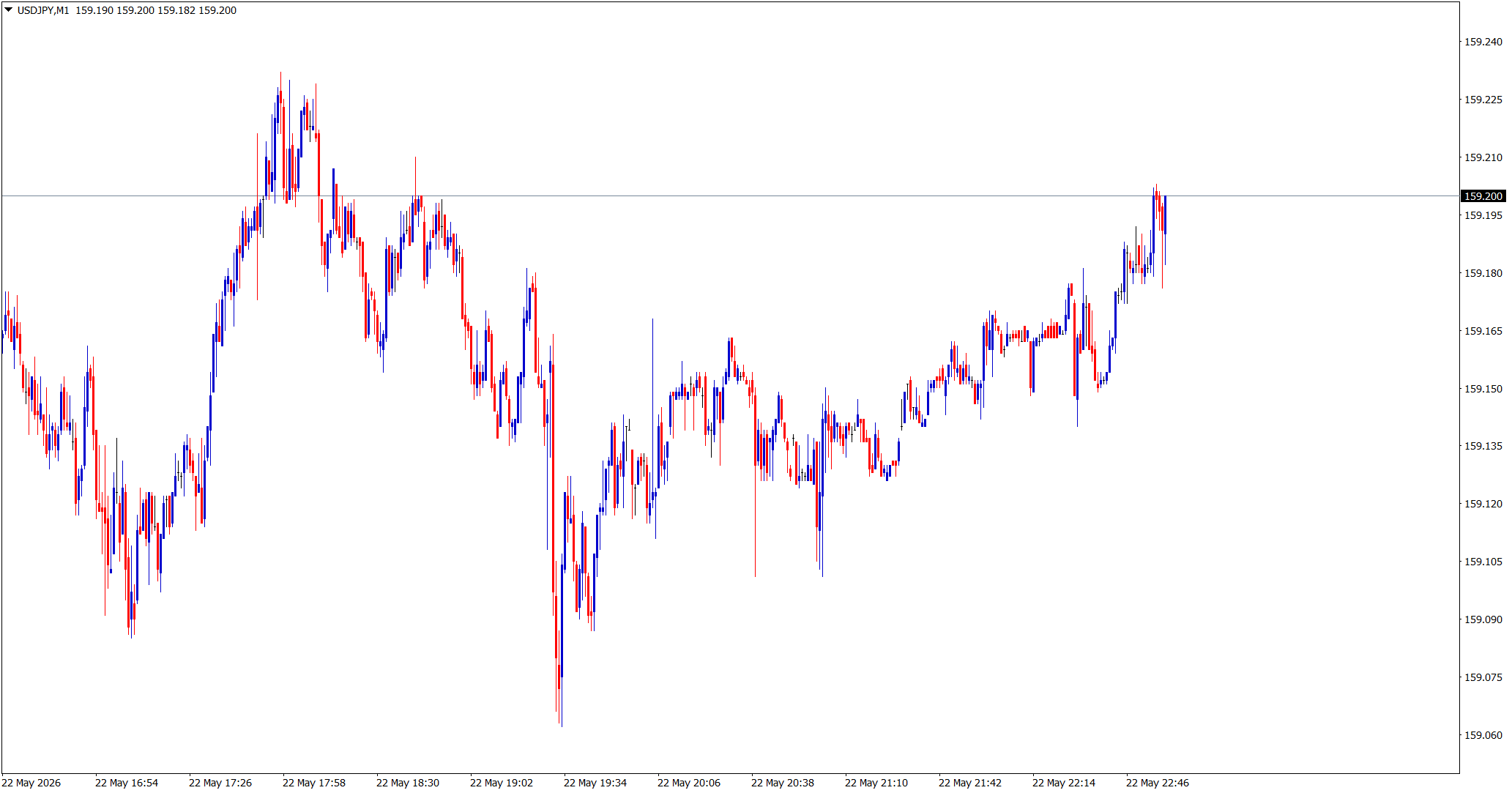
USD/JPY fell as low as 154.05, its weakest level since February, before settling near 154.4. The yen’s move was not simply another intervention-related bounce. It pushed through the 155-per-dollar region that had repeatedly acted as a floor during previous intervention episodes, forcing traders to reassess whether a deeper structural shift in Japanese capital flows was finally underway. Reuters reported that expectations for faster Bank of Japan tightening, repatriation by Japanese investors, unwinding of yen-funded carry trades and political pressure from Washington all contributed to the move.
Japan’s intervention history added credibility to the move. Government data showed Japan’s reserves fell by a record $79.6 billion in August, largely because Tokyo spent roughly 15.4 trillion yen ($98.7 billion) intervening between July 30 and August 26. Unlike earlier bouts of support, part of the operation was coordinated with the United States, which materially changed the risk calculus for traders accustomed to treating yen weakness as a nearly one-way carry trade.
At the same time, the broader global backdrop was hardly benign. Brent crude climbed toward $97.50, diesel prices were hitting records, Iran threatened further restrictions around the Strait of Hormuz, and markets increasingly believed the ECB, BOJ and possibly Fed could all tighten policy because of renewed inflation pressure. European political uncertainty also remained elevated following strong gains by Germany’s AfD and rising polling support for Marine Le Pen in France.
The dollar therefore faced conflicting forces. Strong U.S. payrolls from the previous Friday had lifted the probability of a September Fed hike to around 60%, but the dramatic yen rally dragged the greenback lower more broadly. The euro rose toward $1.1630 and sterling toward $1.3539, while Friday’s U.S. CPI report loomed as the next decisive catalyst.
USD/JPY
Technical Analysis
USD/JPY produced the most important technical break of the session by decisively moving below 155, an area that had repeatedly contained yen strength after previous intervention episodes.
The significance of that break goes beyond the round number itself. Through much of 2026, traders treated declines toward 155 as opportunities to rebuild long-dollar/short-yen positions because the U.S.-Japan yield differential remained large. Monday challenged that behavior.
The pair had traded above 160 only the previous Tuesday, meaning the drop toward 154 represented a very fast re-pricing. Such moves tend to force stop-losses, reduce leverage and accelerate unwinds in carry positions.
Technically, the near-term trend therefore shifted from high-level consolidation to a genuine corrective phase. The 155 area now becomes potential resistance rather than support. A sustained recovery above it would suggest intervention and BOJ expectations had temporarily overshot; continued trading below it would reinforce the argument that a broader trend change is developing.
The next psychologically important downside region is around 152, which analysts were already watching as the year’s stronger-yen extreme.
Fundamental Analysis
The yen’s rally was supported by several forces acting simultaneously.
First, investors increasingly expect the Bank of Japan to tighten again. A 25-basis-point move later in September was becoming heavily priced as domestic wage growth and inflation remained firm. Second, Japanese institutions appeared more willing to repatriate funds as domestic bond yields increased, reducing the attraction of maintaining enormous overseas asset allocations.
Third, carry trades were being unwound. Because the yen had long served as one of the cheapest funding currencies in the global financial system, even modest appreciation can become self-reinforcing: traders buying back yen to close positions create additional yen demand, which forces other leveraged positions to exit. Reuters noted that the scale of yen-funded cross-border borrowing is enormous, increasing the risk that the unwind becomes broader than a normal FX adjustment.
Finally, Washington’s involvement matters. Joint U.S.-Japan intervention earlier in the summer demonstrated that Tokyo was no longer fighting alone. Treasury Secretary Scott Bessent’s increasingly forceful public language reinforced the perception that Washington was willing to use financial power to influence the currency when it believed instability threatened broader markets.
EUR/USD
Technical Analysis
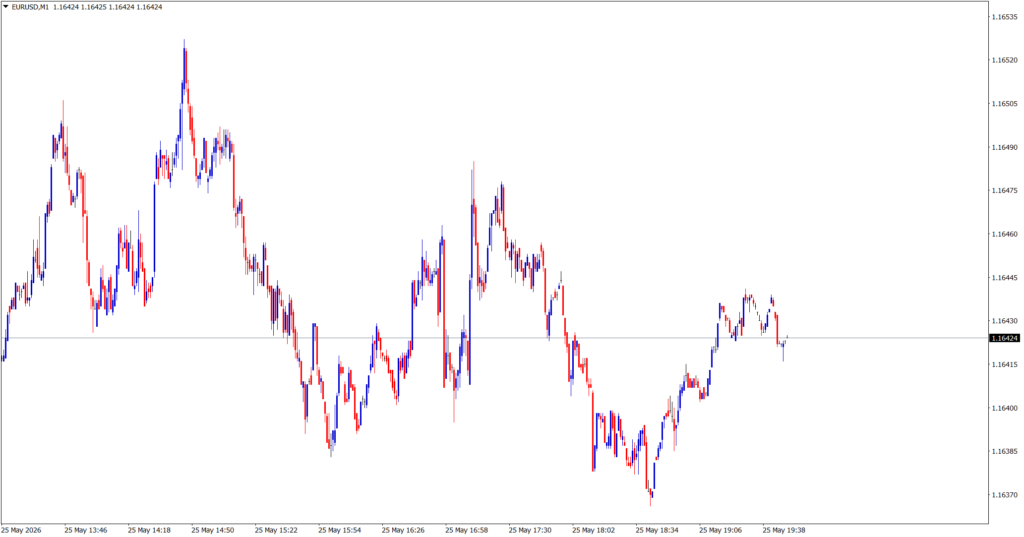
EUR/USD moved modestly higher toward 1.1630, but the gain was much less dramatic than the yen move.
The pair remained supported above recent lows, but its ability to extend higher was constrained by an important resistance problem: the ECB was widely expected to hike later in the week, yet Europe’s political and growth risks limited enthusiasm for aggressively long euro positions.
Technically, the structure remained constructive in the short term. The pair was maintaining higher levels as the dollar softened, and the absence of significant selling pressure suggested buyers were still comfortable defending the recovery.
However, Monday did not produce the kind of breakout that would signal a major euro-led move. EUR/USD remained primarily a beneficiary of broad dollar weakness rather than a currency pair being driven by exceptionally strong euro fundamentals.
Fundamental Analysis
The euro entered the week in a difficult macro position.
On one side, the ECB was expected to raise rates because renewed Middle East conflict had pushed energy prices sharply higher. Higher policy rates normally support a currency by increasing domestic yields.
On the other side, the reason for the expected tightening was problematic: imported energy inflation. Europe is highly dependent on external energy supplies, meaning oil approaching $100 simultaneously raises inflation and weakens real household income and industrial competitiveness.
Political uncertainty compounded those challenges. Reuters reported that strong gains by Germany’s AfD and polling strength for Marine Le Pen in France had contributed to euro weakness during 2026.
That left EUR/USD supported by prospective ECB tightening but restrained by the possibility that those very rate hikes could worsen already fragile European growth.
GBP/USD
Technical Analysis
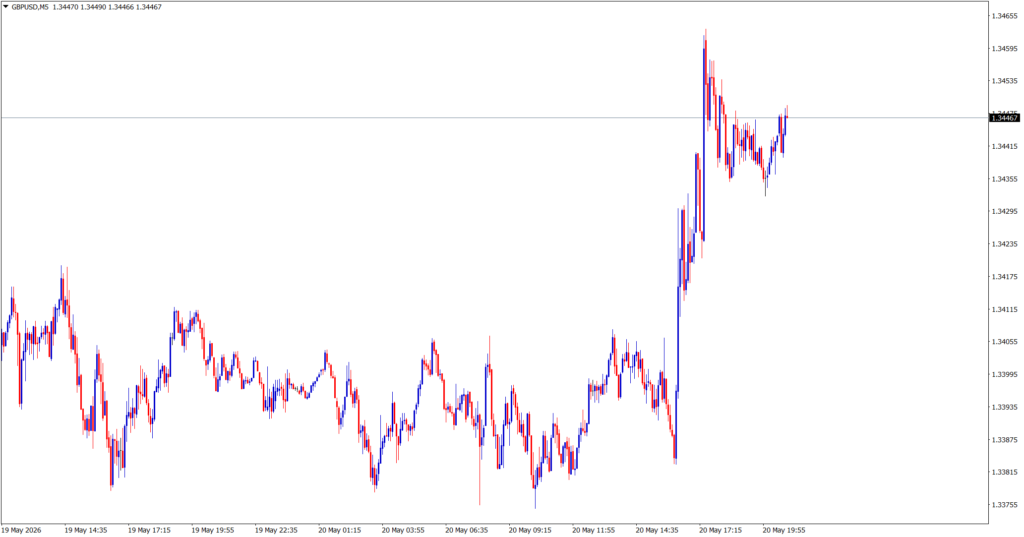
GBP/USD edged higher toward 1.3540, largely following the broader decline in the dollar.
Technically, sterling continued holding above the 1.35 area, preserving the recovery structure that had developed after its summer lows. The move was orderly rather than impulsive, indicating that the pound was benefiting from broad flows rather than a major UK-specific catalyst.
A sustained move above recent highs would be needed to transform the recovery into a stronger trend. For now, the pair remained constructive but sensitive to upcoming U.S. inflation data.
Fundamental Analysis
Sterling benefited from the dollar’s weakness, but the UK also faced the same energy dilemma confronting Europe.
High oil and gas prices threaten imported inflation, which can encourage the Bank of England to remain restrictive. But tighter monetary policy alongside expensive energy can also suppress consumer demand and investment.
Markets were therefore increasingly focused on whether the UK economy could withstand another energy-driven inflation cycle. The wider global backdrop of strong economic data and rising rates meant sterling could remain supported against the dollar if the BoE stayed relatively hawkish, but the pound was unlikely to become a clean risk-on currency while oil and global yields remained elevated.
Market Outlook
September 7 marked a potentially important turning point for the yen.
For now:
- USD/JPY has broken the 155 floor that previously contained yen strength.
- EUR/USD is supported by dollar weakness but restrained by Europe’s political and energy exposure.
- GBP/USD remains constructive but vulnerable to the same global inflation pressures affecting other European currencies.
- Friday’s U.S. CPI report remains the decisive dollar catalyst: a hot reading could restore Fed-hike expectations, while softer inflation would reinforce the dollar’s current vulnerability.