


Yes, you can pay someone to day trade for you, either by hiring a professional trader, using managed trading accounts, or leveraging copy trading services. However, it’s essential to consider legality, risks, and broker reliability. Platforms like Defcofx offer secure infrastructure, flexible leverage, and professional support for such trading solutions.
Open a Live Trading AccountKey Takeaways
- Paying someone to day trade can be done via professional traders, managed accounts, or copy trading services, giving you flexibility if you lack time or expertise.
- It’s important to consider legality, financial risks, and service reliability before hiring a trader.
- Defcofx provides secure infrastructure, high leverage up to 1:2000, low spreads, and fast withdrawals, making it a viable option for professional-managed trading.
- Understanding the differences between paying a trader, copy trading, and automated trading helps you choose the best approach for your goals.
- Always ensure transparent communication, fee clarity, and risk management when working with someone to trade on your behalf.
What Does “Paying Someone to Trade” Mean?
Paying someone to trade for you means hiring a professional trader, using a managed trading account, or leveraging copy trading services to execute trades on your behalf.
Instead of actively making trading decisions yourself, you entrust an experienced trader or automated system to handle your investments according to agreed strategies and risk levels, this approach can save time, provide access to expertise, and allow individuals with limited trading knowledge to participate in markets like forex, stocks, or commodities.
It is particularly popular among traders who want to benefit from market opportunities without constantly monitoring charts or making day-to-day trading decisions.
How It Works: Paying a Professional to Trade for You
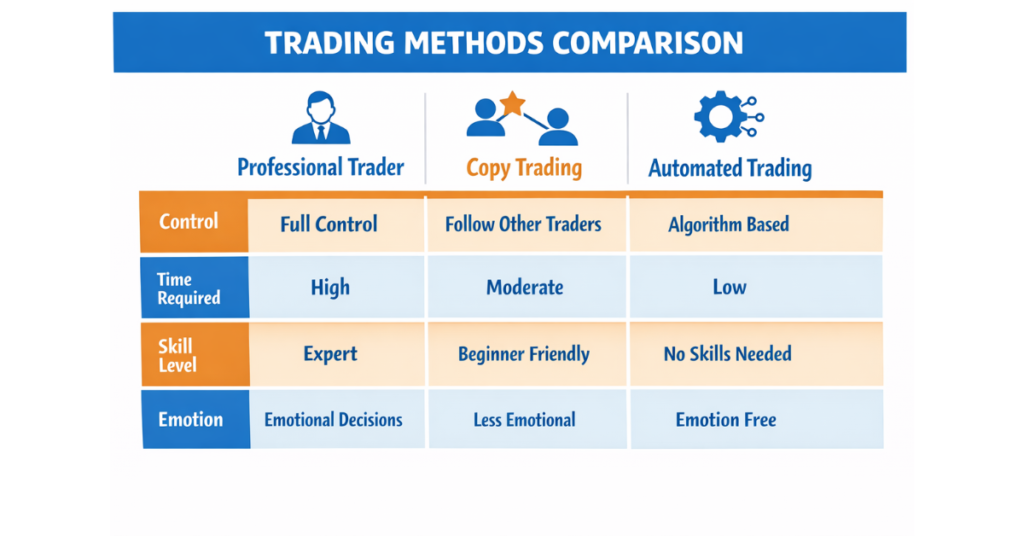
Paying a professional to trade for you involves a structured process where your capital is managed either by an experienced trader or through automated or copy trading platforms.
Here’s how it typically works:
1. Choosing the Service
Professional Trader: You hire an individual with verified credentials who trades on your behalf.
Managed Account: Your account is linked to a service provider who executes trades according to predefined strategies.
Copy Trading: You automatically replicate the trades of an experienced trader via a trading platform.
2. Funding Your Account
You deposit funds into a secure brokerage account (e.g., Defcofx), which the trader or system uses to execute trades.
Minimum deposit requirements vary depending on the service or broker.
3. Setting Risk Parameters
You and the trader or platform agree on risk levels, daily or weekly limits, and trading strategies. This ensures your capital is managed according to your comfort level and investment goals.
4. Monitoring and Reporting
Most services provide real-time reporting, giving you full transparency over trades and performance.
Some brokers, such as Defcofx, offer dashboards with detailed trade history, profit/loss tracking, and withdrawal options.
Comparison Table: Different Ways to Pay Someone to Trade
| Method | How It Works | Pros | Cons |
| Professional Trader | Hire an individual to trade on your account | Personalized strategy, expert insights | Can be costly; trust and legality concerns |
| Managed Trading Account | Account linked to a service provider | Hands-off, professional management | Fees may vary; limited control over trades |
| Copy Trading | Replicates another trader’s trades automatically | Easy to use, low effort | Dependent on trader’s performance; market risk |
| Automated Trading System | AI or algorithm executes trades based on strategy | Consistent, emotion-free trading | Needs setup, software risks, can be technical |
5 Benefits of Paying Someone to Trade
Paying a professional or using managed trading services offers several advantages, especially for traders who lack time, expertise, or confidence to trade independently. Here’s a detailed breakdown:
1. Access to Professional Expertise: Professional traders or managed accounts bring years of experience, technical analysis skills, and market insight, helping maximize trading potential while reducing mistakes.
2. Time-Saving and Convenience: You no longer need to monitor charts or analyze market conditions daily. This allows you to focus on other priorities while your investments are actively managed.
3. Flexible Trading Options: Platforms like Defcofx allow traders to use high leverage up to 1:2000, enabling professional strategies to work effectively with both small and large capital.. You can choose strategies aligned with your risk tolerance.
4. Cost-Efficiency: With no commissions or swap fees and low spreads starting from 0.3 pips, managed trading or paying a trader through a broker like Defcofx keeps costs minimal.
5. Transparent Reporting and Fast Access to Funds: Most services provide detailed performance reports, trade histories, and analytics.. Fast withdrawals within 4 business hours, including weekends, ensure you can access profits quickly.
Risks and Legal Considerations
Paying someone to trade on your behalf can save time and provide professional expertise. However, it is important to understand the risks and legal considerations before investing your money.
1. Market Risk (Losses Are Possible)
All trading involves risk. Financial markets can be volatile, meaning prices can rise or fall quickly. Even highly experienced traders cannot guarantee profits, and no strategy works all the time.
Past performance isn’t a guarantee of future results. You should only invest capital you are prepared to lose.
2. Legal and Regulatory Considerations
The legality of managed accounts and copy trading services depends on your country of residence. Some jurisdictions require specific licenses for professional money management, while others restrict certain types of trading arrangements.
Before depositing funds, confirm that:
- The service is legally allowed in your country
- The broker operates under proper regulations
Platforms such as Defcofx operate internationally, but it remains your responsibility to verify local compliance requirements.
3. Trust and Fraud Risk
One of the biggest risks comes from working with unverified traders or unregulated services. Without proper oversight, there is a higher chance of mismanagement or fraud.
To reduce this risk, use reputable brokers, verify the trader’s track record, and ensure there is transparent reporting and clear withdrawal procedures.
4. Reduced Control Over Trading Decisions
When you pay someone to trade for you, you give up day-to-day control over trading decisions. You will not select individual trades yourself, and you must rely on the trader’s strategy and risk management approach.
Before starting, clearly agree on risk limits, acceptable drawdowns, and withdrawal rules. Having these terms defined in advance helps protect your capital and avoid misunderstandings.
Comparison: Paying a Trader vs Copy Trading vs Automated Trading
If you want someone (or something) to trade on your behalf, you generally have three main options: hiring a professional trader, using copy trading, or relying on automated trading systems.
Each method differs in control, cost, complexity, and risk.
Quick Comparison Table
| Feature | Paying a Professional Trader | Copy Trading | Automated Trading System |
|---|---|---|---|
| Who Makes the Decisions? | A hired trader manages your account | You copy another trader’s decisions automatically | Software executes trades based on programmed rules |
| Level of Personalization | High – strategies can be tailored to you | Medium – depends on the trader you copy | Low to Medium – depends on system settings |
| Ease of Use | Moderate – requires communication and agreement | Easy – select a trader and activate copying | Moderate to Complex – requires setup and monitoring |
| Cost Structure | Management fees or profit-sharing | Platform fees or performance fees | Software cost, VPS cost, or broker fees |
| Control Over Trades | Limited (agreed rules beforehand) | Limited (can stop copying anytime) | Depends on your settings |
| Main Risk | Trader underperforms or mismanages funds | Copied trader performs poorly | Algorithm fails in volatile markets |
1. Paying a Professional Trader
This paying a professional trader option offers the most personalized approach. You typically agree on risk levels, goals, and trading strategies directly with the trader.
It may be suitable if you:
- Want customized risk management
- Prefer human decision-making
- Have larger capital to invest
However, this option can be more expensive due to management or performance fees. Your results depend heavily on the trader’s skill, discipline, and integrity.
2. Copy Trading
Copy trading allows you to automatically replicate the trades of experienced traders through a platform. Once activated, trades are mirrored in your account.
It is generally beginner-friendly because:
- Setup is simple
- No deep market knowledge is required
- You can stop copying at any time
The main drawback is that your performance fully depends on the trader you are copying. If they experience losses, you will too.
3. Automated Trading Systems (Algorithmic Trading)
Automated trading uses software (often called trading bots or algorithms) to execute trades based on predefined rules.
Advantages include:
- Emotion-free trading
- 24/7 operation
- Consistent execution of strategy
However, these systems require technical setup and monitoring. Algorithms may also struggle during unusual or highly volatile market conditions.
Which Option Is Best?
There is no universally “best” method. The right choice depends on:
- Your experience level
- Your available time
- Your risk tolerance
- Your budget
Beginners often start with copy trading due to simplicity, while more experienced investors may prefer managed accounts or automated systems for greater customization.
4 Tips for Choosing a Professional Trader or Service (With Examples)
Selecting the right professional trader or managed trading service is critical to protecting your capital. Below are practical tips, with real-world examples, to help you make a safer decision.
1. Verify Credentials and Track Record
Always check the trader’s background and performance history.
For example, a credible trader should be able to show:
- A verified trading record from a recognized platform
- Consistent results over time (not just one profitable month)
- Proper licensing if required in their jurisdiction
If someone claims to have made “300% profit last month” but can’t provide verified data, that’s a red flag. Reliable professionals focus on steady, realistic returns rather than extreme claims.
2. Look for Transparency and Clear Communication
A trustworthy trader or service should explain how they trade and keep you informed.
For instance:
- You should receive regular performance reports (weekly or monthly).
- You should be able to see open trades and account balance.
- The trader should clearly explain their strategy (e.g., swing trading, scalping, long-term trend trading).
If a trader refuses to explain their approach and says, “Just trust me,” that lack of transparency is a warning sign.
3. Understand the Fee Structure Before You Commit
Different services charge in different ways. Make sure you understand exactly how fees work.
For example:
- A trader may charge 20% of profits (performance fee).
- Another may charge a fixed monthly fee regardless of results.
- Some may combine both.
If you invest $5,000 and earn $1,000 profit with a 20% performance fee, you would pay $200 in fees. Always calculate how fees affect your potential returns.
Be cautious if fees are unclear or constantly changing.
4. Evaluate Risk Management Practices
Professional trading isn’t about making the highest returns, it’s about managing risk properly.
For example:
- A responsible trader may risk only 1–2% of your account per trade.
- They may set stop-loss levels to limit potential losses.
- They may define a maximum monthly loss limit (e.g., 10%) to protect your capital.
If a trader risks 20–30% of your account on a single trade, your account could be wiped out quickly. Proper risk control is a sign of professionalism.
5. Avoid Guaranteed Profit Promises
No legitimate trader can guarantee profits.
For example, if someone says:
- “You will make 10% every week with zero risk.”
- “Losses are impossible with my system.”
These are unrealistic claims. All trading involves uncertainty, and even experienced professionals experience losing periods.
Final Advice
Before handing over your money, ask questions, request documentation, and take your time. A professional service will welcome scrutiny and provide clear answers. If something feels rushed or unclear, it’s better to step back and reassess.
Defcofx as a Solution
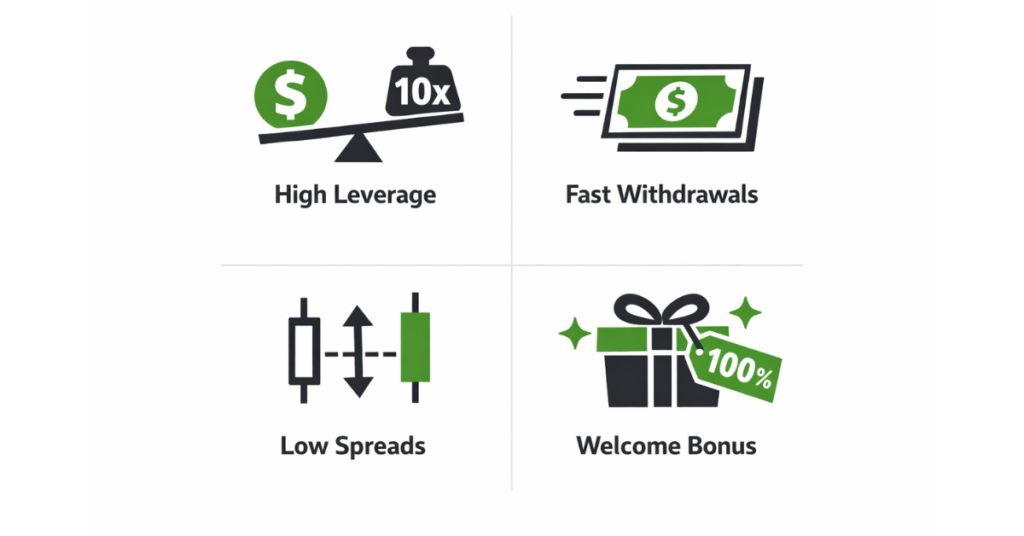
For traders considering paying someone to trade or using managed/copy trading services, Defcofx provides a reliable and secure platform to facilitate professional trading. It combines advanced tools, global access, and risk management features to make professional trading accessible even to beginners.
5 Key Advantages of Using Defcofx:
- High Leverage Options: Traders can use up to 1:2000 leverage, enabling flexible strategies whether using professional traders or managed accounts.
- 40% Welcome Bonus: First-time deposits of $1000 or more receive a bonus, giving extra capital to start trading.
- No Commissions or Swap Fees: Low spreads starting from 0.3 pips ensure cost-efficient trading for all managed strategies.
- Global Reach: Defcofx welcomes clients from all countries and offers multiple language options, making professional trading accessible worldwide.
- Fast Support and Withdrawals: Funds can be withdrawn within 4 business hours, including weekends, providing liquidity and peace of mind.
How Defcofx Supports Managed Trading:
- Users can link accounts to professional strategies or use copy trading tools directly on the MT5 platform.
- Transparent reporting allows users to monitor trades in real-time, ensuring accountability.
- Secure deposits and withdrawals safeguard funds while trading through professionals.
Final Thoughts on Can I Pay Someone to Day Trade for me?
Paying someone to day trade for you can be an effective solution for investors who lack time, expertise, or confidence to manage trades themselves. Whether through a professional trader, a managed account, or copy trading, it provides access to market opportunities while reducing the daily workload.
However, it is crucial to understand the risks, set clear limits, and work with reliable platforms to ensure your funds are secure.
Platforms like Defcofx offer a secure and flexible environment for professional-managed trading. With high leverage options up to 1:2000, low spreads starting from 0.3 pips, a 40% welcome bonus, global accessibility, and fast withdrawals, it provides the infrastructure needed to safely implement professional trading strategies.
Open a Live Trading AccountFAQs
Yes, it is generally legal in most countries, but regulations vary. Ensure the trader or service you hire complies with local laws and trading regulations. Platforms like Defcofx provide regulated trading infrastructure to safely facilitate professional-managed accounts.
Charges vary depending on experience and service type. Some traders take a percentage of profits, while others may charge a fixed fee. Always clarify the cost structure before starting to avoid surprises.
Paying someone involves hiring a professional to trade your account directly, offering personalized strategies. Copy trading replicates another trader’s moves automatically, which is easier to use but limits your control.
Yes. Defcofx allows users to link accounts to professional strategies, use copy trading tools, and monitor trades in real-time. The platform supports high leverage, low spreads, and fast withdrawals, making it suitable for professional-managed trading.
Yes, all trading carries risk. Even experienced traders cannot guarantee profits, and losses are possible. Set clear risk limits and consider starting with smaller amounts to test performance.
Defcofx provides fast withdrawals within 4 business hours, including weekends, ensuring you can access profits promptly and maintain liquidity.
Discover More Forex Guides With Defcofx
- Can I Trade With $1 on MetaTrader 5?
- What Does It Mean to Short the Market?
- What is an Expert Advisor | Automated Trading Guide
- Pairs Trading – Market-Neutral Stock & Forex Guide
- How to Read Stock Candlesticks?
- How Many Countries Use Dollars?
- Can I Trade Gold With $100?
- What Country has the Best Exchange rate for USD?
- What Time Does EUR/USD Market Open?