


Friday’s session saw the dollar recover part of Thursday’s losses as traders shifted back toward a more defensive posture heading into the weekend. After weakening on softer inflation expectations and lower Treasury yields, the greenback found support from a modest rebound in yields and cautious position adjustment across global markets.
The broader macro environment remained relatively stable:
- geopolitical tensions were still contained overall
- oil prices stayed within recent ranges
- and central-bank expectations remained largely unchanged
However, after several sessions of gradual dollar weakness, markets became less comfortable maintaining large anti-dollar positions into the weekend. This encouraged profit-taking in major currency pairs and allowed the dollar to regain some ground.
Importantly, the rebound remained controlled rather than aggressive. The market did not fully return to risk-off positioning, but it clearly shifted toward caution, particularly after the sustained moves seen earlier in the week.
EUR/USD
Technical Analysis
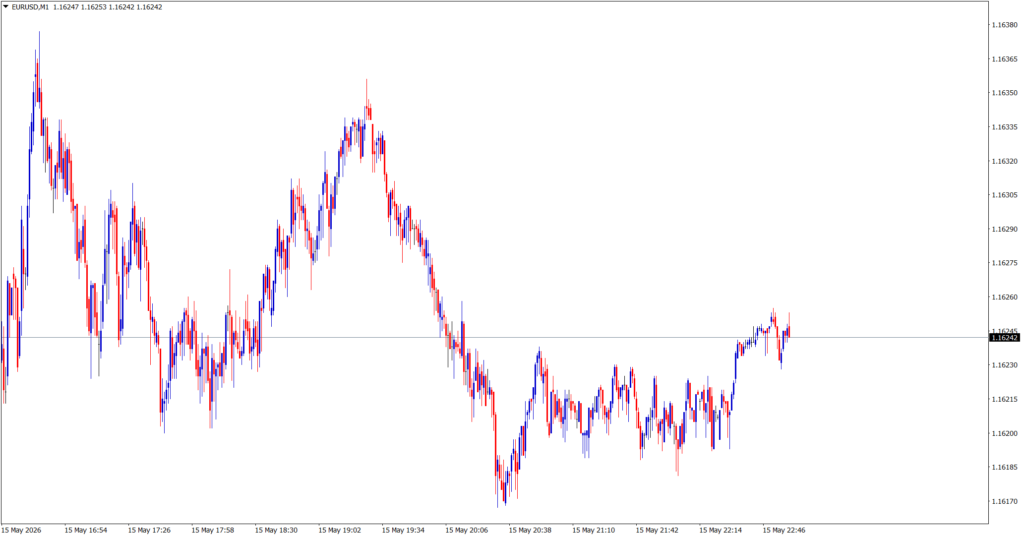
EUR/USD moved lower and gave back part of Thursday’s gains. The pair traded with a softer tone throughout the session, though the decline remained orderly and failed to break key support levels.
Technically, the move appears corrective rather than bearish. After several sessions of upward momentum, Friday’s pullback looks more like profit-taking ahead of the weekend than the beginning of a larger reversal.
The broader structure remains constructive as long as support zones continue to hold.
Fundamental Analysis
The euro weakened mainly because of renewed dollar demand rather than any deterioration in eurozone fundamentals. As Treasury yields stabilized and traders reduced risk exposure into the weekend, the dollar regained support across the board.
At the same time, the euro lacked fresh bullish catalysts after Thursday’s rally. With geopolitical conditions stable but still uncertain enough to encourage caution, EUR/USD faced natural pressure from position adjustment and defensive flows.
Despite Friday’s decline, the broader euro outlook remains relatively stable in the absence of new energy or geopolitical shocks.
USD/CHF
Technical Analysis
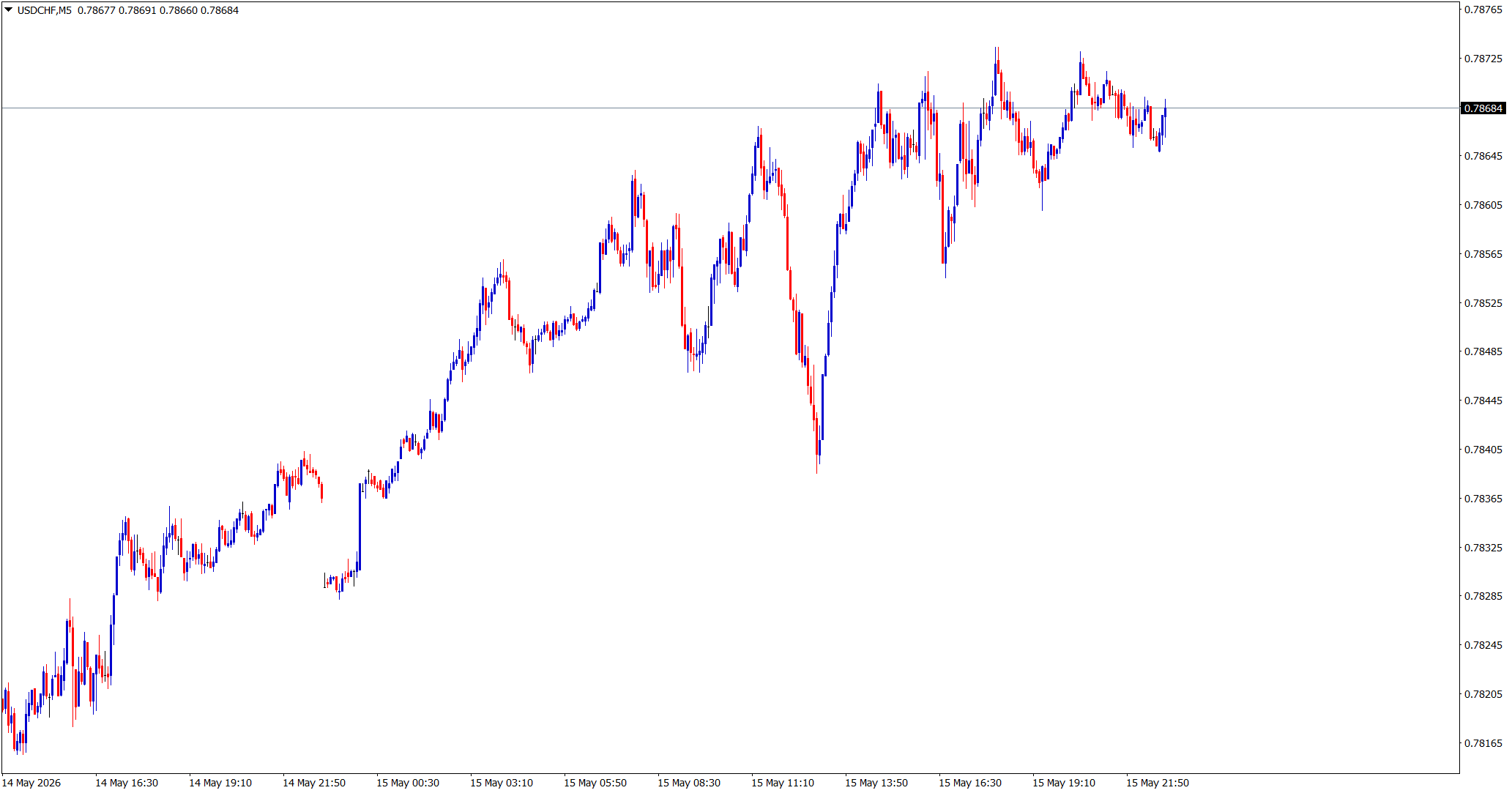
USD/CHF moved higher and recovered steadily throughout the session. The pair maintained upward momentum into the close, reflecting renewed demand for the dollar.
From a technical perspective, the move reinforces the pair’s broader stabilization structure after recent weakness. Buyers regained short-term control, though the pair still remains within a larger consolidation range rather than a strong uptrend.
The rebound suggests that support levels remain intact.
Fundamental Analysis
The rise in USD/CHF reflects the market’s shift back toward defensive positioning into the weekend. While traders were not aggressively fleeing risk, they were more cautious about holding large anti-dollar trades without fresh positive catalysts.
The Swiss franc did not attract unusually strong safe-haven inflows during the session, allowing the dollar to outperform. This highlights an important feature of current market conditions: the dollar still benefits whenever traders become slightly more defensive, even if broader panic is absent.
The pair’s performance on Friday reflected that dynamic clearly.
USD/CAD
Technical Analysis
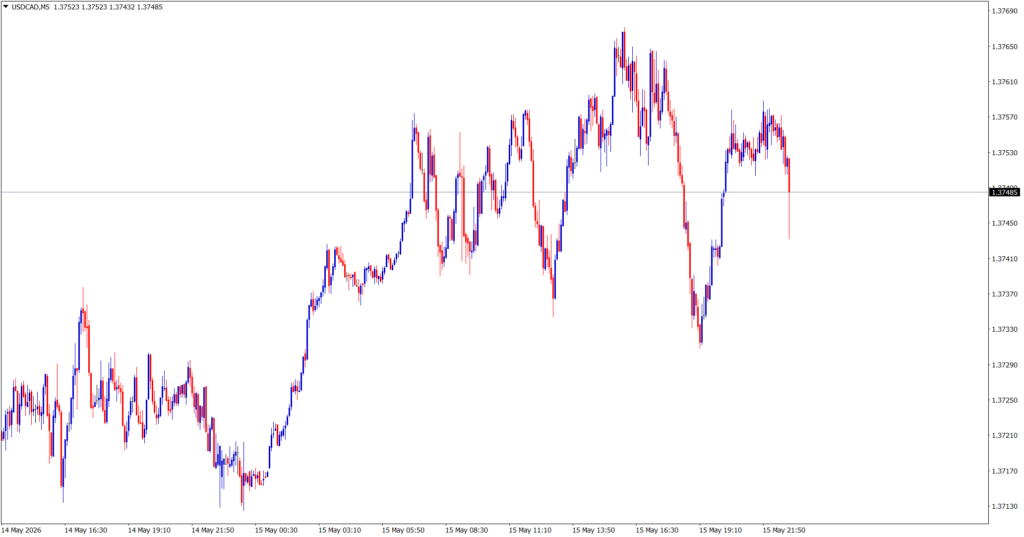
USD/CAD stabilized after recent declines and traded within a narrow range for most of the session. Attempts to push lower faded quickly, while upside momentum also remained limited.
Technically, the pair continues to trade within a broader consolidation structure. Friday’s session reinforced the idea that neither buyers nor sellers currently have enough conviction to force a breakout.
The pair remains balanced near the middle of its recent range.
Fundamental Analysis
The Canadian dollar remained supported by relatively stable oil prices, but the modest rebound in the dollar prevented further CAD strength.
At the same time, the broader market shift toward caution reduced demand for risk-sensitive currencies slightly, helping USD/CAD stabilize. However, because oil prices did not weaken significantly and overall sentiment remained relatively calm, the pair failed to stage a meaningful upside breakout.
This balance between steady oil support and cautious dollar demand continues to keep USD/CAD largely range-bound.
Market Outlook
Friday’s session showed that the dollar can still recover whenever markets become more defensive, even if the broader environment remains relatively stable.
However, the rebound also highlighted an important limitation:
- yields are stabilizing, not surging
- geopolitical risks are contained rather than escalating
- and markets are cautious, but not fully risk-off
This means the dollar’s recovery currently looks more corrective than structural.
For now:
- EUR/USD remains in a constructive consolidation phase
- USD/JPY continues showing fatigue near elevated levels
- USD/CHF reflects modest defensive demand for the dollar
- and USD/CAD remains trapped within a broad range
Unless a stronger catalyst emerges — either through yields, geopolitics, or central-bank repricing — the market is likely to remain dominated by consolidation and short-term positioning flows rather than strong directional trends.