


Thursday’s session saw the dollar come under renewed pressure as softer inflation expectations and easing Treasury yields reduced support for the greenback. After several days of consolidation, markets leaned back toward a mild risk-positive tone, encouraging traders to trim defensive dollar positions once again.
The shift was not caused by a single dramatic headline, but rather by a gradual change in market sentiment. U.S. yields moved lower during the session, reflecting growing confidence that inflation pressures are stabilizing rather than reaccelerating. At the same time, geopolitical conditions remained relatively contained, with no major escalation in the Middle East to revive aggressive safe-haven demand.
That combination created an environment where the dollar struggled to maintain support:
- yields softened
- defensive positioning eased
- and risk-sensitive currencies found buyers again
Importantly, the move remained orderly rather than aggressive. Markets are not fully bearish on the dollar, but they are increasingly reluctant to hold large long-dollar positions without stronger macro justification.
EUR/USD
Technical Analysis
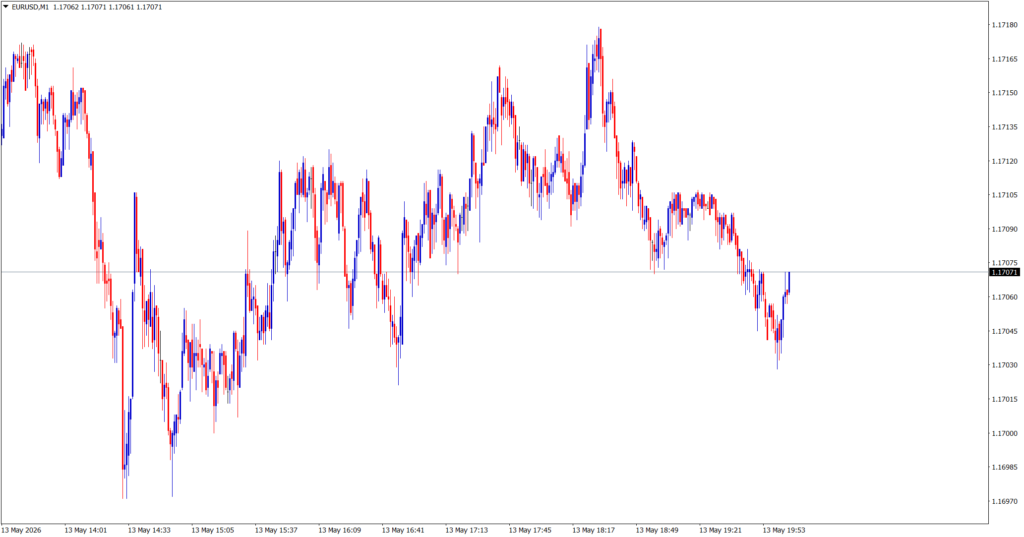
EUR/USD moved higher and pushed back toward the upper end of its recent range. The pair traded with a firm tone throughout the session, showing consistent buying interest and limited pullbacks.
Technically, this reinforces the broader constructive structure that has been developing since late April. After several sessions of consolidation, buyers regained momentum once the dollar weakened.
The pair continues to hold above key support levels, and the lack of downside pressure suggests that bullish positioning remains intact in the near term.
Fundamental Analysis
The euro benefited primarily from softer U.S. yields and reduced dollar demand. As Treasury yields moved lower, one of the dollar’s key support factors weakened significantly, allowing EUR/USD to recover.
At the same time, the eurozone outlook remains stable enough to support the currency in calmer market conditions. With energy fears easing compared to earlier in the month and geopolitical risks remaining contained, the euro no longer faces the heavy pressure seen during periods of heightened uncertainty.
The result was a session where EUR/USD gained more from dollar weakness than from aggressive euro-specific optimism.
GBP/USD
Technical Analysis
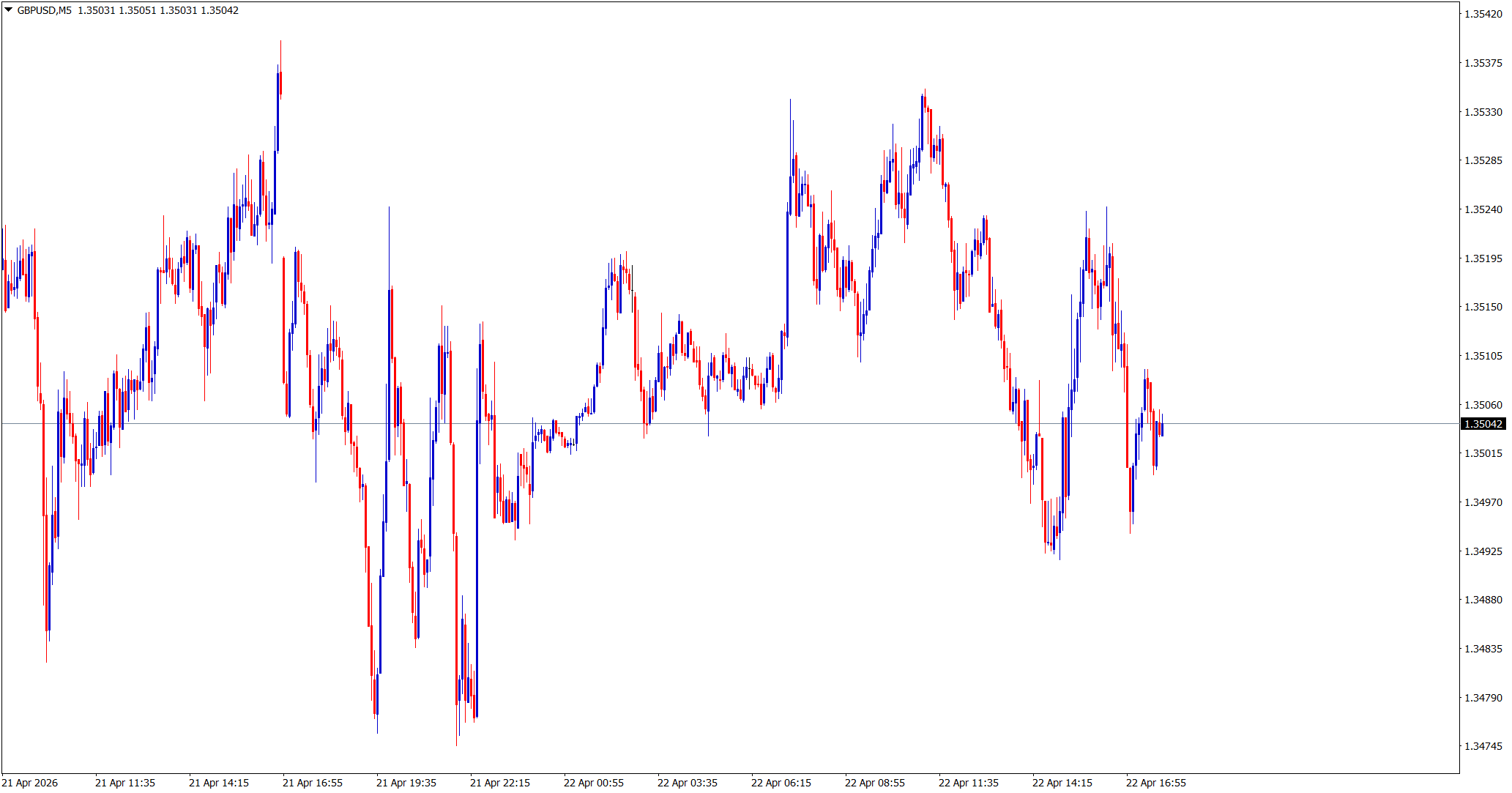
GBP/USD extended gains and continued its gradual upward trend. The pair maintained a steady upward bias throughout the session and closed near its highs.
From a technical perspective, sterling continues to display relative strength compared to several other major currencies. The pair remains in a constructive recovery structure, with higher lows continuing to form.
Momentum is not explosive, but it remains clearly positive.
Fundamental Analysis
Sterling benefited from the same broad themes supporting the euro:
- softer U.S. yields
- reduced defensive positioning
- and improving overall sentiment
Additionally, the pound continues to benefit from the market’s reduced focus on UK-specific energy risks. Earlier in April, sterling was heavily pressured by concerns over imported inflation and energy vulnerability. Those fears have eased considerably, allowing GBP/USD to recover alongside broader European currencies.
With no major negative catalysts emerging from the UK economy, the pair remained supported throughout Thursday’s session.
USD/JPY
Technical Analysis
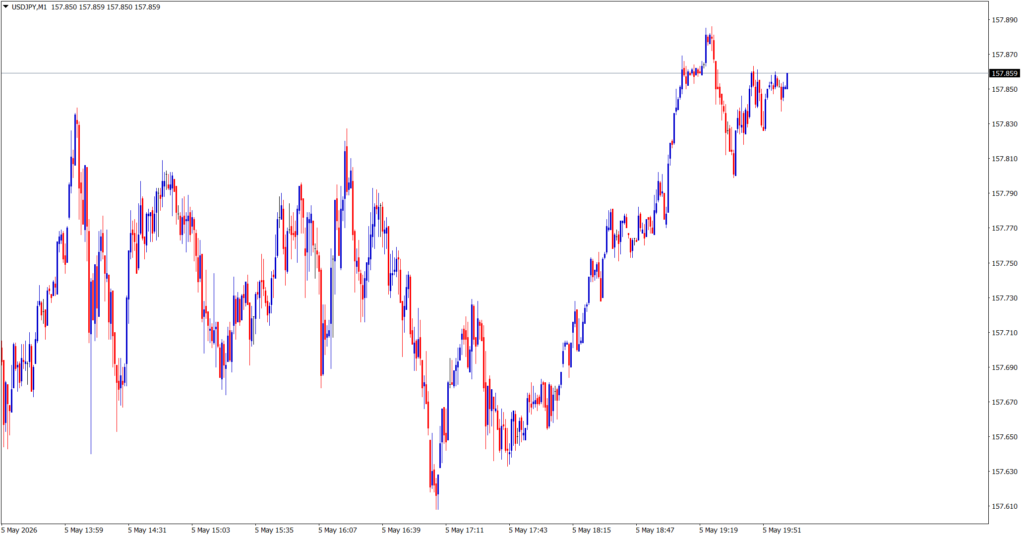
USD/JPY moved sharply lower relative to recent sessions, extending its broader corrective move from April highs. The pair failed to hold support during the session and drifted steadily downward as selling pressure increased.
Technically, the pair is showing increasingly clear signs of exhaustion near elevated levels. Repeated failed rebounds and persistent lower highs suggest that upside momentum has weakened substantially.
While the broader long-term structure remains elevated, near-term momentum now clearly favors downside corrections.
Fundamental Analysis
The decline in USD/JPY was driven primarily by softer U.S. yields. The pair remains highly sensitive to yield differentials, and Thursday’s decline in Treasury yields significantly reduced support for the dollar side of the equation.
At the same time, calmer geopolitical conditions reduced demand for defensive dollar positioning, allowing the yen to strengthen modestly. While the yen itself still lacks strong bullish domestic catalysts, the weakening dollar environment continues to pressure USD/JPY lower.
The pair’s behavior on Thursday reinforced the idea that without rising yields, it becomes increasingly difficult to sustain elevated USD/JPY levels.
Market Outlook
Thursday’s session reinforced a theme that has repeatedly surfaced throughout May:
- the dollar struggles whenever yields soften and geopolitical risks remain contained
Markets continue to favor:
- stable risk conditions
- gradual reduction in defensive positioning
- and controlled volatility rather than panic-driven moves
As long as:
- inflation expectations remain stable
- yields do not rebound sharply
- and geopolitical tensions avoid escalation
the dollar is likely to remain under moderate pressure.
For now:
- EUR/USD and GBP/USD retain constructive momentum
- USD/JPY continues correcting lower
- and broader market sentiment remains mildly risk-positive rather than defensive.