


Friday brought a different kind of confirmation for the dollar. Earlier in the week, the greenback had mainly been lifted by geopolitics and oil. By Friday, Reuters reported that the dollar rose across the board and was set for a second straight weekly gain, helped not only by the Middle East war but also by firm U.S. consumer spending and core PCE inflation data from before the conflict. That broadened the foundation under the dollar. It was no longer just a haven beneficiary. It was a currency backed by recent domestic data that had not given the market a strong reason to price earlier Fed easing.
At the same time, the day clarified the weaknesses on the other side of the ledger. Reuters reported that sterling fell for a fourth straight day after unexpectedly stagnant UK economic data. Reuters also published a detailed analysis explaining why Japan’s bar for intervention had risen even as the yen weakened toward 160 per dollar. In Europe, a Reuters poll showed economists still expected the ECB to stay on hold through year-end despite hotter inflation threats. Together, those stories produced one of the week’s clearest FX maps: a strong dollar, a weak pound, a pressured euro, and a yen that was sliding deeper into politically sensitive territory without yet forcing immediate official action.
GBP/USD
Technical Analysis
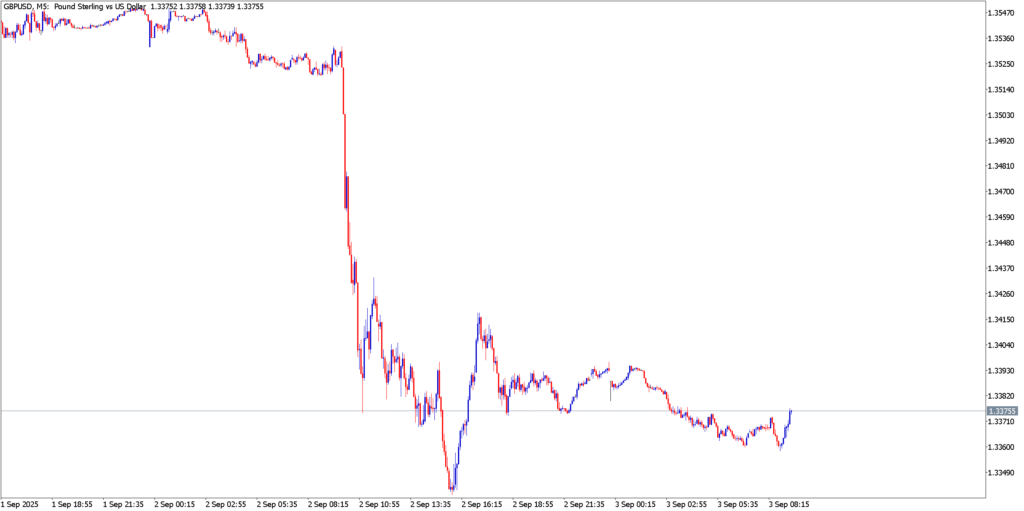
GBP/USD was the standout weak pair on Friday because it had both an external and a domestic problem. Reuters reported the pound fell for a fourth consecutive day against the dollar, trading near $1.3273. From a technical standpoint, a four-day run lower after multiple failed stabilizations is a strong sign that the market has shifted from tactical selling into something closer to trend pressure. Even when the dollar is broadly strong, not every counterpart falls as cleanly as sterling did. That made GBP/USD one of the day’s clearest bearish structures.
Fundamental Analysis
The pound’s weakness was rooted in both war and data. Reuters reported that January UK output was stagnant, which intensified concern about how the Bank of England would respond to weak growth and still-high inflation in a world of elevated energy prices. That is a very difficult mix for sterling, because it leaves the currency without a clean policy anchor. If the BoE stays cautious, growth remains weak. If it turns too dovish, inflation risks linger. Reuters also noted that swap markets were pricing a 25 basis-point BoE hike by late 2026, but analysts were skeptical that this was the right interpretation of such a soft domestic backdrop. That uncertainty weighed heavily on GBP/USD.
EUR/USD
Technical Analysis
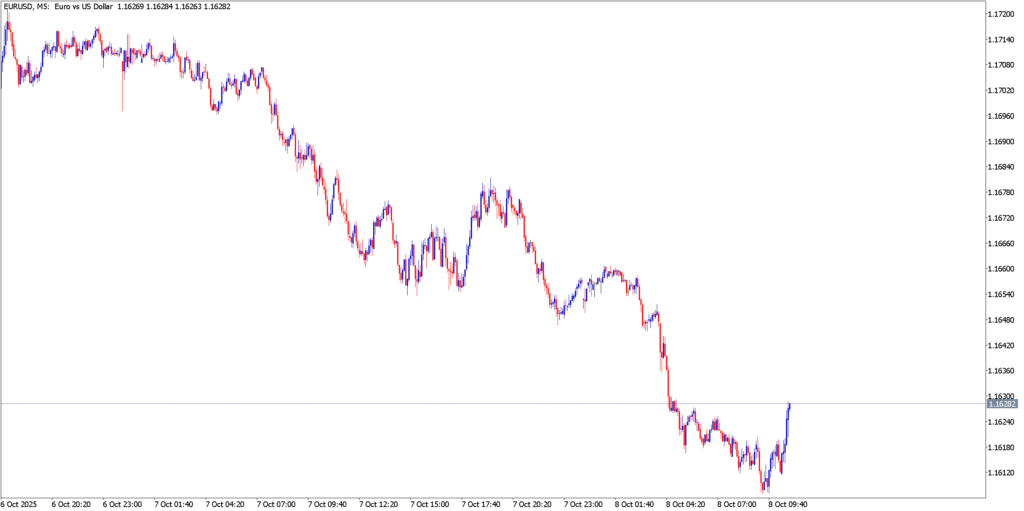
EUR/USD stayed under pressure rather than breaking dramatically lower. That distinction is useful. Friday looked less like the beginning of a fresh euro collapse and more like the continuation of an already established bearish weekly tone. The euro was no longer in freefall, but it also could not attract enough buying to build a meaningful base. Technically, that sort of action often marks a pair whose selling is becoming more structural than emotional.
Fundamental Analysis
Reuters reported that energy-sensitive currencies such as the euro were under pressure as the war drove investors toward safe-haven assets. The Reuters economist poll added another layer: despite the recent inflation shock, most economists still expected the ECB to keep its deposit rate at 2% through the end of 2026. That mattered because it told the market that Europe still had no obvious policy offset to its energy vulnerability. If inflation risks rose but growth stayed fragile, the euro area would remain in a poor relative position versus the U.S., where the dollar still enjoyed both haven support and a firmer recent data backdrop.
USD/JPY
Technical Analysis
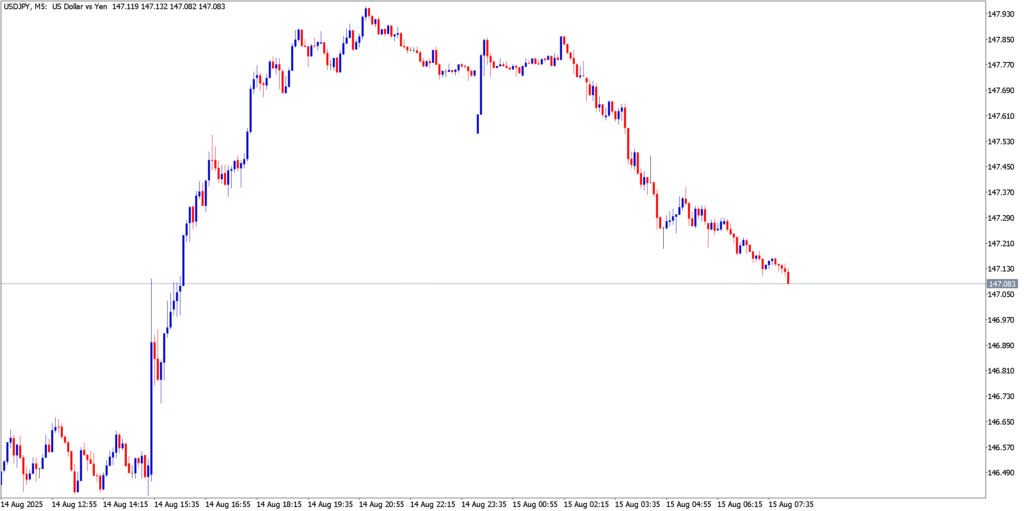
USD/JPY remained one of the most politically sensitive pairs in FX by Friday. Reuters said the yen was in intervention territory near 160 per dollar, and that officials appeared less inclined to intervene than in previous episodes. Technically, that is a fascinating setup because it means the pair can trade with an upward bias while also carrying elevated headline risk. Markets know 160 matters, but they also know the authorities may tolerate more weakness this time. That usually produces a pair that stays bid but remains extremely vulnerable to abrupt verbal or policy shocks.
Fundamental Analysis
Reuters’ intervention analysis was the key fundamental piece here. The article argued that Japan’s bar for intervention was now higher because current yen weakness was being driven less by speculative attack and more by fundamentals: safe-haven demand for dollars, higher oil prices, and Japan’s own energy vulnerability. In other words, the yen was not merely weak because traders were bullying it; it was weak because the macro backdrop genuinely favored the dollar. That explains why USD/JPY could stay elevated even as it moved into politically uncomfortable territory. The market was effectively betting that the authorities would hesitate unless volatility, rather than just levels, became the dominant issue.
Market Outlook
The week ended with the dollar in clear control, but not for just one reason. War and oil had started the move. By Friday, firm recent U.S. data had helped broaden and legitimize it. Against that backdrop, the pound looked especially weak because of soft UK growth, the euro remained trapped by energy dependence and limited ECB flexibility, and the yen was trading in a zone where intervention risk was real but not yet enough to reverse the macro logic. That left the market entering the following week with the dollar still dominant, and with the burden of proof now on other majors to show they could withstand a prolonged energy-and-inflation shock.
Discover our other forex market analyses: