


Monday began the week with the same dominant regime that had defined late March: war-driven oil strength, delayed global easing expectations, and a still-preferred U.S. dollar. Reuters reported that the euro weakened, the dollar index rose to 100.53, and sterling slid as investors worried that a prolonged Middle East conflict would lift inflation and sap global growth, especially in energy-importing regions such as Europe and the UK. Reuters also noted that Brent had surged above $116 and that the dollar was on course for its strongest monthly gain since July.
What made Monday important was that the dollar’s support was no longer just a short-lived haven bid. Reuters’ broader coverage showed that the IMF was warning the Iran war was dimming the outlook for many economies, while Morgan Stanley cut global equities to equal weight and shifted toward U.S. Treasuries and cash as defensive assets. In other words, markets were beginning to treat the conflict as a macro shock with longer legs, not merely a temporary geopolitical scare.
EUR/USD
Technical Analysis
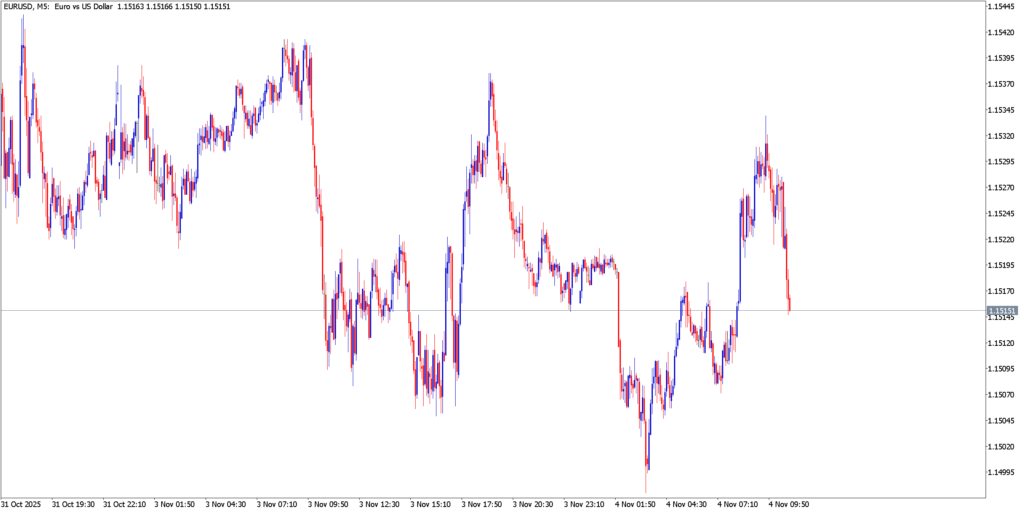
EUR/USD continued to trade like a structurally weak pair rather than one simply caught in a bad headline cycle. The euro’s inability to stabilize meaningfully even after several sessions of selling suggested that rallies were still being treated as opportunities to reduce exposure. In technical terms, the pair looked trapped in a lower-value range where buyers were no longer defending levels aggressively. That kind of behavior is usually more consistent with an institutional macro repricing than with retail panic.
Fundamental Analysis
Fundamentally, the euro remained one of the most obvious casualties of the war-oil-inflation theme. Reuters directly linked Monday’s euro weakness to concerns about a protracted Middle East war, higher oil prices, and weaker consumer resilience in vulnerable economies like the EU and the UK. Europe’s problem was not just higher energy bills. It was the combination of imported inflation, weaker growth prospects, and a central bank that still had limited room to respond cleanly. That left EUR/USD as one of the clearest expressions of the market’s preference for U.S. assets over European ones.
GBP/USD
Technical Analysis
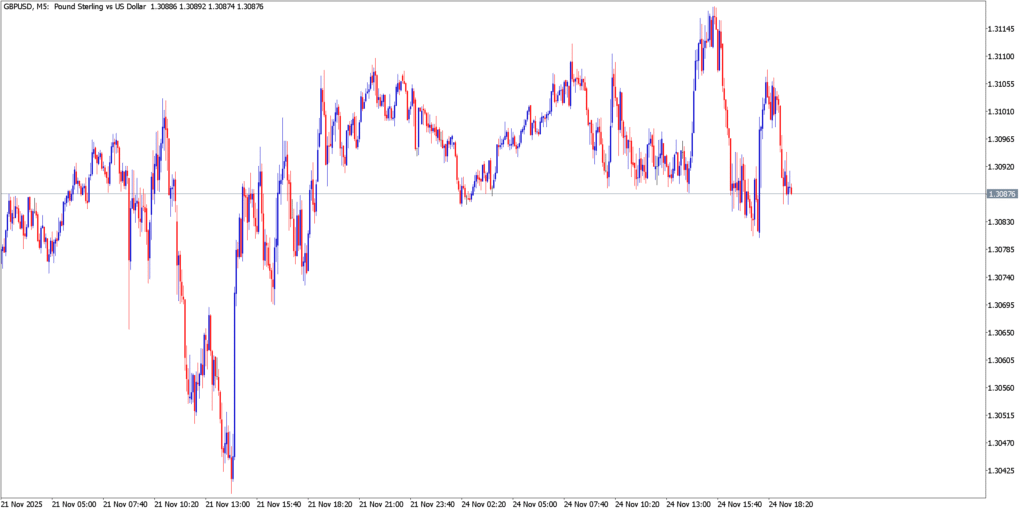
GBP/USD looked just as fragile, but its tone was subtly different from EUR/USD. Sterling was not collapsing outright, yet it kept posting lower daily closes and failed to recover even when the dollar’s momentum briefly paused. That is often the hallmark of a market that sees the pound as fundamentally compromised, not merely weak by association. The technical message was one of persistent erosion rather than a single sharp washout.
Fundamental Analysis
Reuters reported that sterling dropped for a fifth straight day against the dollar and fell to more than a three-week low against the euro as investors grew more worried about the economic fallout of the Iran war. The UK’s reliance on imported natural gas, stubborn inflation, high gilt yields, and weak domestic indicators all compounded the problem. Reuters noted business activity had slowed, manufacturing costs were surging at the fastest pace since 1992, and retail sales had declined. That left sterling exposed on two fronts at once: externally to the stronger dollar, and internally to a deteriorating UK macro mix.
USD/JPY
Technical Analysis
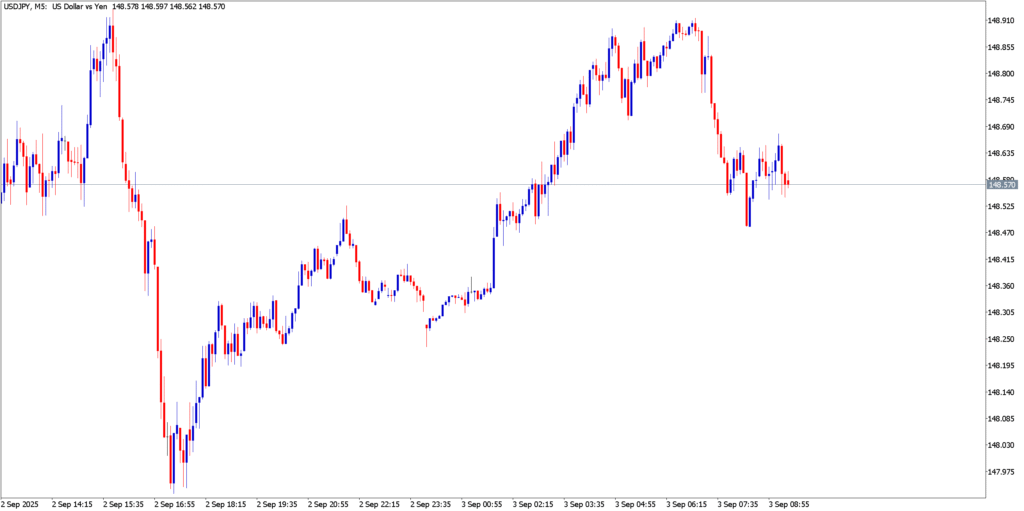
USD/JPY remained one of the most politically sensitive pairs on the board. The pair was trading above 160, which made every move feel larger than the chart alone would suggest. Technically, it still leaned upward because the dollar retained macro support, but it was doing so in a zone where verbal intervention risk was high and where normal breakout behavior was constantly being interrupted by official rhetoric. That makes for a market that trends, but in a nervous and unstable way.
Fundamental Analysis
Reuters reported that BOJ Governor Kazuo Ueda said the central bank would closely watch yen moves because they affect prices and growth, and that rising import costs from a weak yen could justify rate increases in the coming months. Reuters also reported Japan’s top currency official was threatening decisive action as the yen slid past 160 per dollar. Yet the pair remained elevated because the broader macro forces still favored the dollar: war-driven oil prices, inflation risk, and stronger haven demand for U.S. assets. So USD/JPY ended Monday as a pair where the macro trend still pointed upward, but the policy risk around that trend had become much harder to ignore.
Market Outlook
By the close, Monday had reinforced a familiar but important hierarchy. The dollar still had the broad macro edge. The euro and pound remained two of the weakest expressions of the energy-import story. And USD/JPY, while still fundamentally supported, had moved into territory where policy risk could distort otherwise normal price action. That left the market heading into Tuesday with the dollar still in control, but with a growing sense that any hint of de-escalation could trigger a meaningful short-term unwind.
Check out our other forex market analyses: