


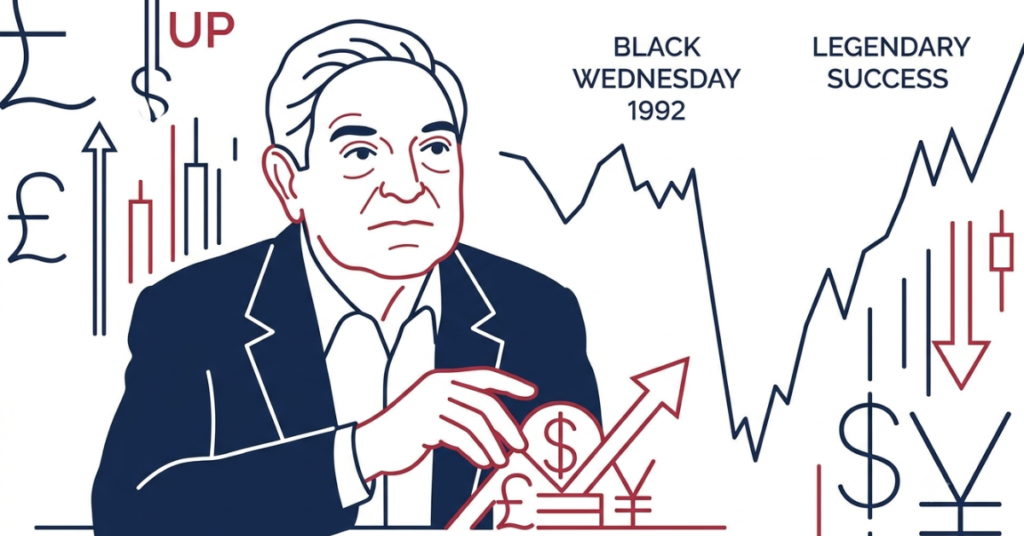
George Soros is widely regarded as the most successful trader ever. His September 1992 short position against the British pound netted an estimated $1 billion in a single day, an event traders still call Black Wednesday. Paul Tudor Jones, Jesse Livermore, and Stanley Druckenmiller round out most lists of trading legends.
Core insights
- George Soros made an estimated $1 billion in one day shorting the British pound in 1992, the trade that defines his legacy.
- Jesse Livermore, Paul Tudor Jones, and Stanley Druckenmiller are consistently ranked among the greatest traders in history alongside Soros.
- Most legendary traders share three traits: strict risk management, patience for the right setup, and the discipline to cut losses quickly.
- You don’t need Soros-level capital to trade with discipline. A demo account lets you practice the same principles risk-free.
- Retail traders can apply the same core lessons using risk management and consistent position sizing, regardless of account size.
The Trader Most People Call the Best of All Time
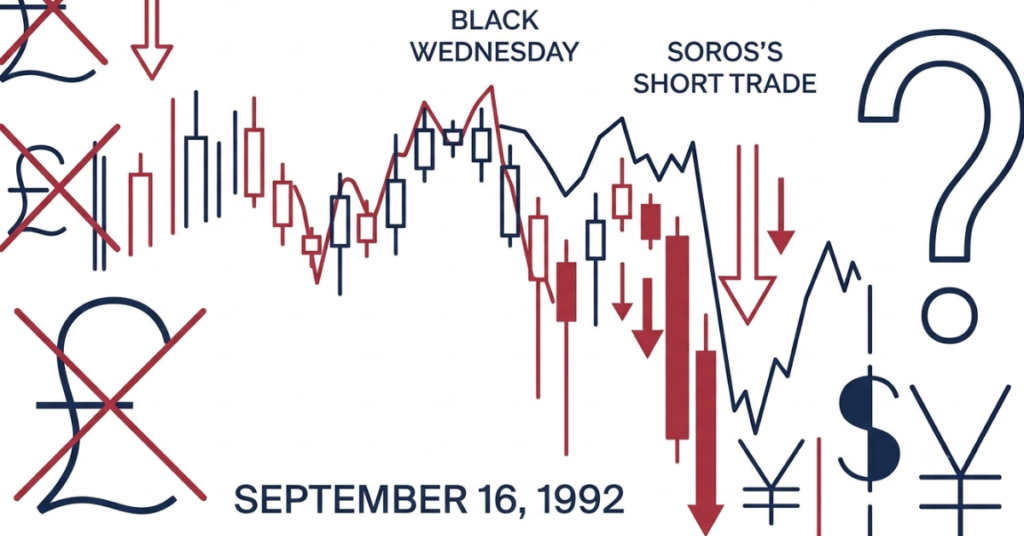
When traders debate who deserves the title of most successful trader ever, George Soros comes up first almost every time. He built his reputation over 5 decades running the Quantum Fund, but one single trade turned him into a household name.
In September 1992, Soros bet against the British pound, wagering that the currency could not hold its position within the European Exchange Rate Mechanism. He was right. The Bank of England spent billions defending the pound and failed. Soros walked away with close to $1 billion in profit from that one position, an amount that still stands as one of the largest single-day gains in trading history.
What makes the trade remarkable isn’t just the size of the profit, it is the size of the position relative to the size of the bet against a national central bank. Soros and his team at Quantum Fund had built a short position worth around $10 billion, using leverage to amplify a macro thesis that most of Europe’s institutions dismissed. That combination of conviction, leverage, and correct timing is why the trade is still studied in trading and economics courses today.
Other Traders Who Belong in the Conversation
Soros usually tops the list, but he isn’t alone. A handful of other traders built track records long enough and large enough to be mentioned in the same breath. The table below compares four of the most cited names in trading history.
| Trader | Known For | Signature Trade or Record |
| George Soros | Global macro, currency trading | Shorted GBP in 1992 for roughly $1 billion in one day |
| Jesse Livermore | Early 20th century stock and commodity speculation | Shorted the market before the 1929 crash, reportedly earning $100 million |
| Paul Tudor Jones | Macro trading, trend following | Predicted and profited from the 1987 stock market crash |
| Stanley Druckenmiller | Macro trading, decades-long track record | Co-managed the 1992 GBP short with Soros at Quantum Fund |
Jesse Livermore traded almost a century before the others on this list, yet his rules on reading price action and letting winning trades run are still quoted by retail and professional traders alike.
Paul Tudor Jones is known for turning a small account into a nine figure fund by combining macro analysis with strict downside protection, he has said publicly that defense, not offense, is what kept him in the game for decades.
Stanley Druckenmiller worked alongside Soros on the 1992 pound trade and later built his own multi-decade record without a single losing year at his fund, a statistic that is almost unheard of in active trading.
What These Traders Actually Have in Common
Strip away the different eras and markets, and the same 3 habits show up in every one of these track records.
- First, position sizing was never left to guesswork, each trader risked a defined portion of capital and rarely deviated from that rule even when conviction was high.
- Second, they waited. Soros didn’t short the pound on a whim, the position was built after months of watching the fundamentals around the ERM weaken.
- Third, when the trade was wrong, they exited fast. Livermore’s own writing describes blown accounts earlier in his career that taught him to cut losses before they became account-ending events.
None of these traits require a nine figure fund. A beginner using a MetaTrader 5 account can apply the same position sizing and exit discipline on a $100 account that Soros applied on a $10 billion position. The math scales, the discipline doesn’t change.
How Retail Traders Compare to Legends Like Soros
It helps to see the realistic picture next to the legendary one. Retail trading outcomes look very different from institutional macro trading, and knowing the numbers keeps expectations grounded.
| Metric | Institutional Legends (e.g. Soros) | Typical Retail Trader |
| Capital deployed per trade | Billions, using fund and borrowed capital | Hundreds to thousands of dollars |
| Time horizon | Weeks to months for macro theses | Minutes to days for most retail strategies |
| Research team | Dozens of analysts and economists | Usually a single trader working alone |
| Track record length | Multiple decades | Often under 5 years |
Lessons You Can Apply Starting Today
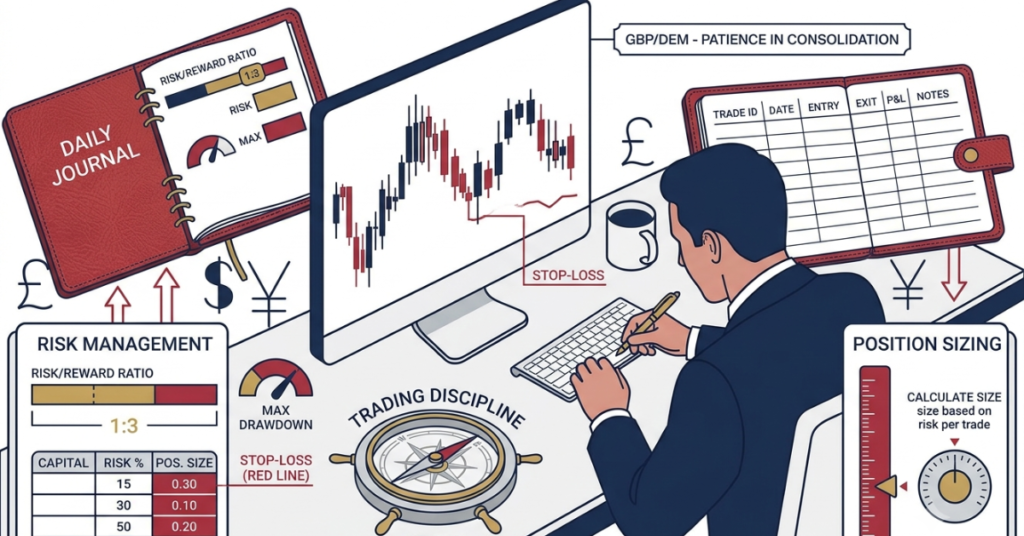
You can’t copy Soros’s capital or Druckenmiller’s research desk, but you can copy the underlying process.
- Start by defining how much of your account you are willing to risk on any single trade before you open the position, not after.
- Keep a written record of every trade including the reason you entered and the reason you exited, Livermore’s own notebooks were essentially this practice a century before trading journals became common advice.
- Finally, treat losing trades as data rather than failures, every trader on this list took losses, the difference is they capped the size of each one.
Practicing this process on a demo account before risking real capital is one of the fastest ways to build the same discipline these traders relied on. A Defcofx demo account mirrors live market conditions on MetaTrader 5, so the habits you build translate directly once you move to a funded account.
Defcofx Features That Support Disciplined Trading
Whatever level you are trading at, the tools around you matter. Defcofx is built on MetaTrader 5 with conditions designed to keep costs low and execution fast, so the strategy stays the deciding factor rather than fees or slippage.
| Defcofx Feature | Detail |
| Spreads From | 0.3 pips on major instruments |
| Leverage | Up to 1:2000 for eligible accounts |
| Commissions | Zero commissions on trades |
| Swap Fees | Zero swap fees |
| Welcome Bonus | 40% bonus on first deposits of $1,000 or more |
| Withdrawals | Processed within 4 business hours, including weekends |
| Platform | MetaTrader 5 (MT5) |
Trading Legends Statistics Snapshot
A few figures put the scale of these track records in perspective and show why they remain reference points in trading history.
| Statistic | Figure |
| Soros’s single-day profit on the 1992 GBP trade | Approximately $1 billion |
| Estimated size of the short position against GBP | Around $10 billion |
| Years Soros ran the Quantum Fund | Over 30 years |
| Druckenmiller’s reported losing years at Duquesne Capital | None across three decades |
FAQ
There is no single official ranking, but George Soros is the name most consistently cited due to his 1992 short position against the British pound, which earned an estimated $1 billion in a single day and remains one of the largest documented profits from one trade.
Estimates put the profit at approximately $1 billion in a single day, generated from a short position of roughly $10 billion against the British pound during what is now called Black Wednesday.
Livermore traded in a different era with different market structures, so direct comparison is difficult. He is widely respected for his trading rules and early 20th century stock speculation, but Soros’s single trade profit and multi-decade fund track record are usually cited as the larger and more verifiable achievement.
Matching the exact scale is unlikely without institutional capital, but the underlying process, including strict risk management, patience, and disciplined exits, can be applied at any account size and is the realistic path to consistent trading results.
Most of the traders on this list, including Soros, Druckenmiller, and Jones, used global macro trading, which involves taking positions based on broad economic trends such as interest rates, currency policy, and geopolitical events rather than short-term technical signals alone.
A demo account is the practical starting point. It enables you to apply position sizing, journaling, and exit discipline in live market conditions on MetaTrader 5 without risking real capital while you build the habit.
Leverage can increase both gains and losses, so it should be paired with strict risk management rather than used to chase the scale of institutional trades. Defcofx offers leverage up to 1:2000, but position sizing discipline matters more than the leverage ratio itself.
Explore More Beneficial Forex Guides with Defcofx
- Is CFD a forex?
- Which Country Has the Lowest Value of $1?
- How Much Commission Does MetaTrader 5 Take?
- What Is the Weakest Currency?
- Can You Trade US30 on Weekends?
- How to Trade US30
- Best Time to Trade NAS100
- How Many Stocks Are on the Nasdaq?
- What Is the Difference Between Dow Jones and Nasdaq?
- How Much Do I Need to Trade NAS100?